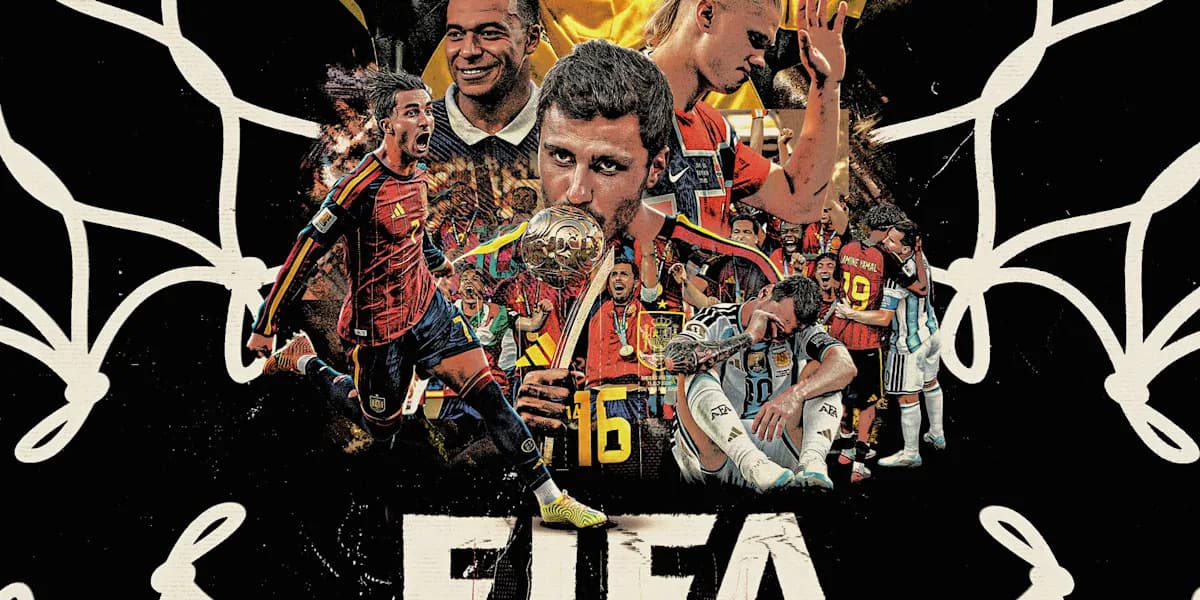
How the 2026 World Cup Captivated America and Surprised the World
The 2026 FIFA World Cup captured the attention of an entire continent, turning those indifferent into intrigued fans, casual viewers into avid supporters, and reinforcing the devotion of long-time enthusiasts. Despite initial doubts from around the globe about America's ability to host such a spectacle, the tournament proved them wrong.
Inside the World Cup Experience
Covering one team closely during the event means missing out on much of the broader tournament buzz. Between tracking player injuries, attending training sessions, and managing interviews, there is little room to soak in the full atmosphere. Fans and merchandise are visible everywhere, yet the sense of a massive celebration often feels distant.
It was only after the U.S. team's disappointing exit that the true festival of the World Cup became clear. While waiting to board a flight home in Dallas after the Spain-France semifinal, I noticed travelers eager to watch the Argentina-England game mid-flight. The gate agent’s uncertainty about live TV added tension, but once the plane took off, passengers celebrated every goal as if in a stadium.
Cheers and conversations about tactics filled the cabin, and when Argentina scored their winning goal just before landing, the whole plane erupted. Even the flight attendant paused his safety instructions to acknowledge the excitement, calling it “football.” This scene wasn’t unique; throughout airports and cities, people gathered to relive highlights and discuss matches with strangers.
America’s Growing Passion for Soccer
The U.S. may not be a traditional soccer powerhouse like Argentina or England, but this World Cup marked a turning point. The tournament sparked a surge of interest nationwide and across North America. Skeptics expected empty stadiums and low enthusiasm, but attendance was strong despite high ticket prices and an intense schedule of 104 matches.
Mexico’s deep-rooted soccer culture and Canada’s historical ties to the sport helped lay a foundation, but the U.S. took a significant leap forward. Soccer’s visibility exploded, no longer limited to late-night cable or obscure channels. Premier League, Liga MX, and MLS games have become weekly staples, boosting viewership numbers for Fox and Telemundo — with some matches attracting over 50 million viewers.
Stories That Defined the Tournament
The expanded World Cup format allowed new narratives to emerge. Cape Verde, competing for the first time, advanced to the knockout stage and challenged Lionel Messi’s Argentina. Spain’s only stumble came in a scoreless draw against Cape Verde’s Blue Sharks. Fans from Norway, the Netherlands, Scotland, Argentina, Algeria, and Spain brought their own flavors to American cities, creating a vibrant multicultural atmosphere.
Rodri, Spain’s midfielder and Golden Ball winner, has a special connection to America. When Spain last won the World Cup in 2010, he was a teenager at camp in Connecticut, just over 100 miles from MetLife Stadium where the final took place. Lionel Messi, defying age at 39, showcased his greatness by leading Argentina to another final while finishing second in the Golden Boot race behind Kylian Mbappé.
New Heroes and National Pride
The World Cup introduced U.S. audiences to fresh stars: Norway’s Erling Haaland, Cape Verde’s 40-year-old goalkeeper Vozinha, and American forward Folarin Balogun, who handled both goals and controversy with poise. The U.S. team inspired many by topping their group and demonstrating determination, even in their Round of 16 loss to Belgium.
Canada celebrated historic wins, and Mexico thrilled fans with memorable matches at Estadio Azteca before falling to England in a tournament highlight. Brazil and Germany, traditionally dominant, exited earlier than expected, while Morocco confirmed their 2022 semifinal run was no fluke by reaching the quarterfinals. African teams overall enjoyed a strong showing.
Elite Performers and Spain’s Triumph
Stars shone brightly throughout the event. Mbappé set a new scoring record, Messi dazzled, Haaland and Harry Kane scored with precision, and playmakers like Jude Bellingham and Michael Olise impressed. Yet it was Spain’s cohesive, disciplined squad that ultimately claimed victory. Their control through possession and pressure earned them respect worldwide.
The final may not have been the most thrilling match aesthetically, and Spain could have secured the win earlier, but their triumph capped 39 days of thrilling soccer across an engaged continent. It was a celebration of the sport and a landmark moment for soccer in America.