2026 World Cup: A Tournament of Giants and Last Dances
The World Cup that wouldn’t stop growing is finally here. In less than 12 hours, the 2026 tournament kicks off, promising either a new golden age or an overstuffed marathon that tests everyone’s patience.
Mexico against South Africa at 8pm opens the show, the first act in a 104‑game epic that stretches across weeks, time zones and attention spans. It is, depending on your mood, either the boldest World Cup ever staged or the most bloated.
Giants, ghosts and last dances
On the pitch, the cast is irresistible.
Spain arrive as European champions and bookmakers’ favourites, armed with the deepest, most balanced squad in the field and a midfield most nations can only envy. They look built for this: technical, ruthless, used to controlling games in suffocating heat.
France lurk just behind them, bristling with talent and scar tissue. Back‑to‑back finalists, they still carry the swagger of a team that expects to be there on the final weekend. With Kylian Mbappé, Ousmane Dembélé, Michael Olise and Désiré Doué, they have the pace and precision to rip anyone apart. This is also Didier Deschamps’ farewell tournament. They lost the last final. They do not plan on losing another.
England, somehow, are turning up with belief rather than baggage. Thomas Tuchel has swept away Gareth Southgate’s caution and replaced it with a more fluid, high‑intensity game. He has also shown a ruthless streak: Phil Foden, Cole Palmer and Trent Alexander-Arnold are all at home, sacrificed in favour of players who fit his system. It is a huge call. If it works, he looks visionary. If it doesn’t, the omissions will be thrown back at him from every angle.
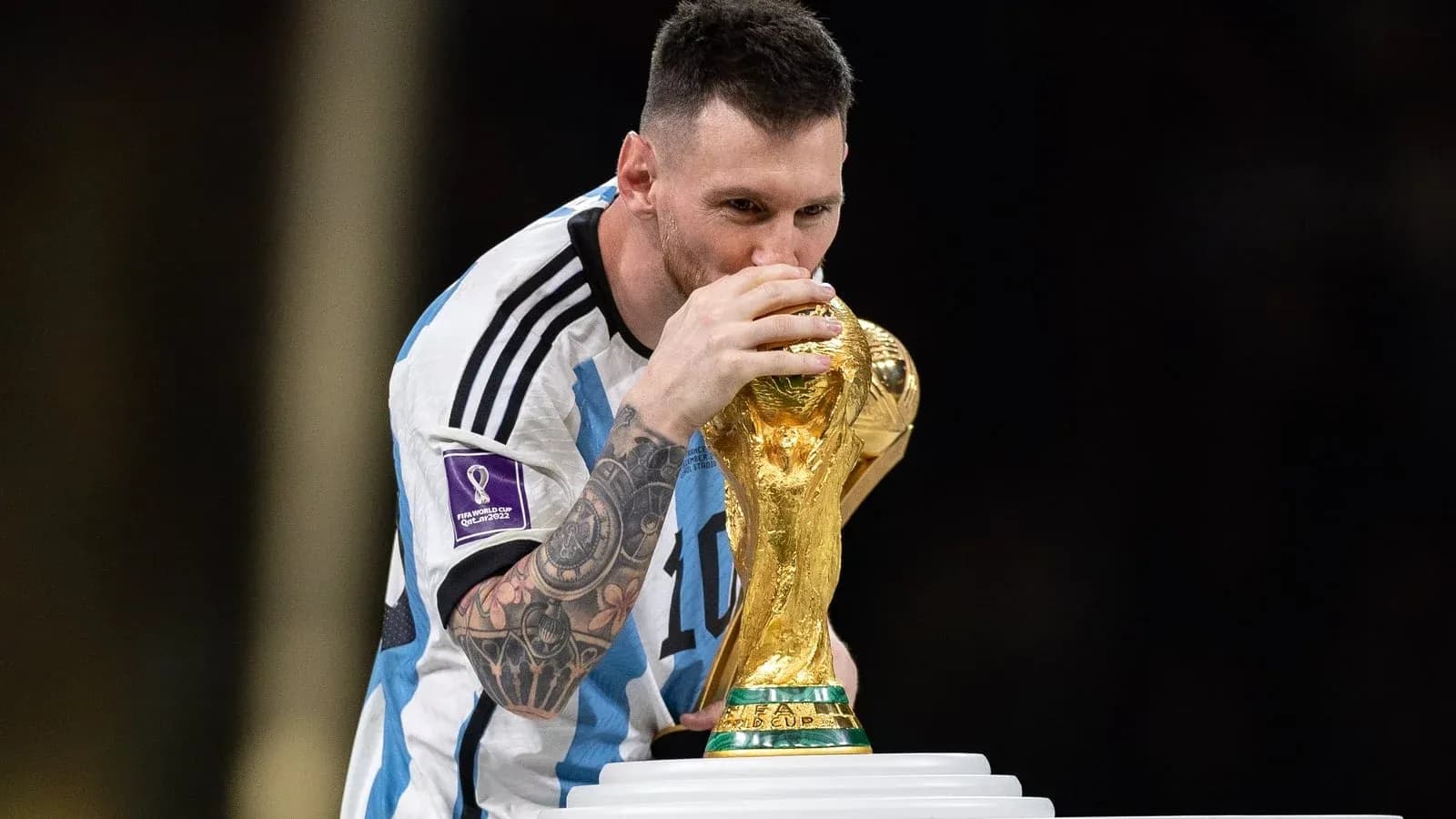
Then there is Argentina. Reigning champions. Chasing history. No team has retained the World Cup since Brazil in 1962. Lionel Messi, now 38, is trying to drag one last miracle from those left foot reserves, to step beyond Diego Maradona by lifting the trophy twice. Everything about their campaign bends towards that question: can he turn back the clock one more time?
Brazil, under Carlo Ancelotti, feel oddly uncertain for a nation so used to being favourites. The talent is there – Vinícius Júnior, Raphinha, Marquinhos – and there is quality at both ends of the pitch. The doubt sits in midfield and in a qualification campaign that never quite convinced. They can win it. But they no longer scare people the way they once did.
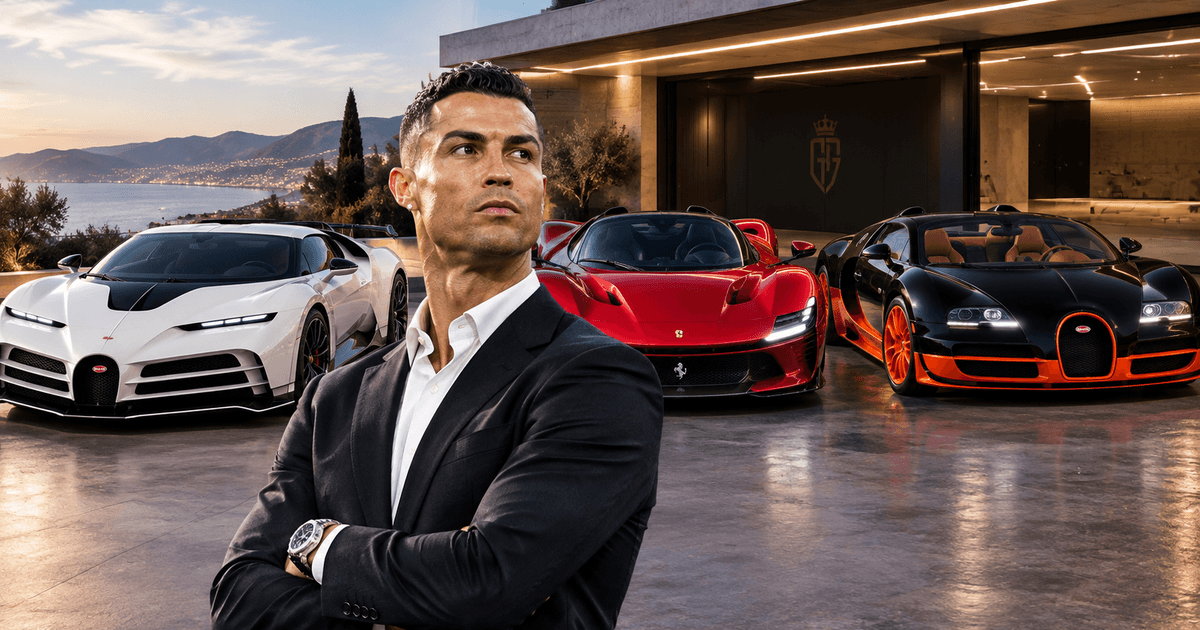
For Cristiano Ronaldo and Portugal, this is the last roll of the World Cup dice. The one major trophy that has eluded him hangs over their campaign. Whether that narrative fuels them or distracts them will become clear soon enough.
And, as ever, the old warning still stands: never write off Germany. Julian Nagelsmann’s side arrive with less noise than usual, but no less threat. Colombia, Senegal and Morocco sit in that dangerous band too – teams good enough, organised enough, to turn someone’s tournament upside down in a single night.
A giant tournament with small early stakes
The football storylines are rich. The format is not.
Forty‑eight teams. Twelve groups. A group stage stretched so wide that jeopardy leaks out of it. The early days will be full of fixtures that barely ripple outside the countries involved.
Germany against Curaçao on Sunday. Spain against Cape Verde on Monday. On paper, those could be merciless mismatches. Qatar v Switzerland and Uzbekistan v Colombia may struggle to stir the neutral pulse. The drama we associate with final group games – giants teetering, shocks brewing – feels harder to manufacture when the safety net is this big.
Two teams from each group go through automatically. Then eight of the best third‑placed sides join them. Sixty‑seven per cent of the field advances to the last 32. In plain terms: you can lose twice and still make the knockouts, albeit into a tougher bracket.
It is a structure that looks tailor‑made to protect the sponsor‑friendly elite from an early flight home. The days when a heavyweight could be dumped out before the world had really tuned in are fading fast.
Irish fans know all about sneaking through thin groups. Their Italia 90 feat – reaching the knockouts without winning a game – suddenly doesn’t look so unique. Under this system, that kind of progress could easily be repeated.
So the real edge, the sense that every mistake might be fatal, may not arrive until the round of 32. That suits the big nations nursing tired stars after a brutal club season. It does less for the neutral looking for early‑tournament chaos.
Managing legs, lungs and clocks
The demands on players will be brutal. The teams that go all the way will play eight matches, not seven. Every extra 90 minutes is another chance for something to go wrong – a hamstring tweak, a twisted ankle, a season changed.
Coaches will treat the opening games like a balancing act. Messi, Neymar, Lamine Yamal, Bukayo Saka, Nico Williams: these are names you might not see flogged from the start in every group match. They will be rested, rotated, protected, their minutes carefully rationed with July, not June, in mind.
Then there is the heat.
Miami, Houston, Guadalajara, Mexico City – these are cities where extreme temperatures are not a possibility but a probability in June and July. FIFA has already stepped in: mandatory hydration breaks at the 22nd and 67th minutes of every match, whatever the weather, and a schedule that pushes most daytime kick‑offs into air‑conditioned stadiums.
Even so, playing in high temperatures changes everything. Tempo drops. Pressing becomes harder to sustain. Mistakes creep in. On paper, it should favour Spain, Brazil, Argentina and Mexico – teams more accustomed to sweltering conditions and slower, more controlled rhythms.
Time zones and tolerance
The tournament is not just stretching players. It is stretching its audience.
For Irish viewers in particular, the fixture list is unforgiving. Brazil’s opener against Morocco kicks off at 11pm on Saturday night. Argentina start their defence at 2am on a Wednesday. Alarm clocks, blackout curtains and industrial quantities of coffee will become standard kit.
The stadium experience will ask plenty too. Long travel, awkward kick‑off times, and the sheer length of the competition demand stamina from supporters as much as from players. This World Cup is not content to be a month‑long festival; it wants to be a season in miniature.
So we arrive at the brink with a split screen. On one side, a tournament bursting with storylines: Messi’s last stand, Ronaldo’s final chase, Deschamps’ goodbye, Tuchel’s gamble, Spain’s bid for a double crown. On the other, a format that risks diluting the early drama in pursuit of more games, more markets, more everything.
The ball will roll tonight in Mexico. The heat will rise, the favourites will rotate, the outsiders will dream. By 19 July, we will know if 104 matches gave us a World Cup to remember – or one that simply refused to end.