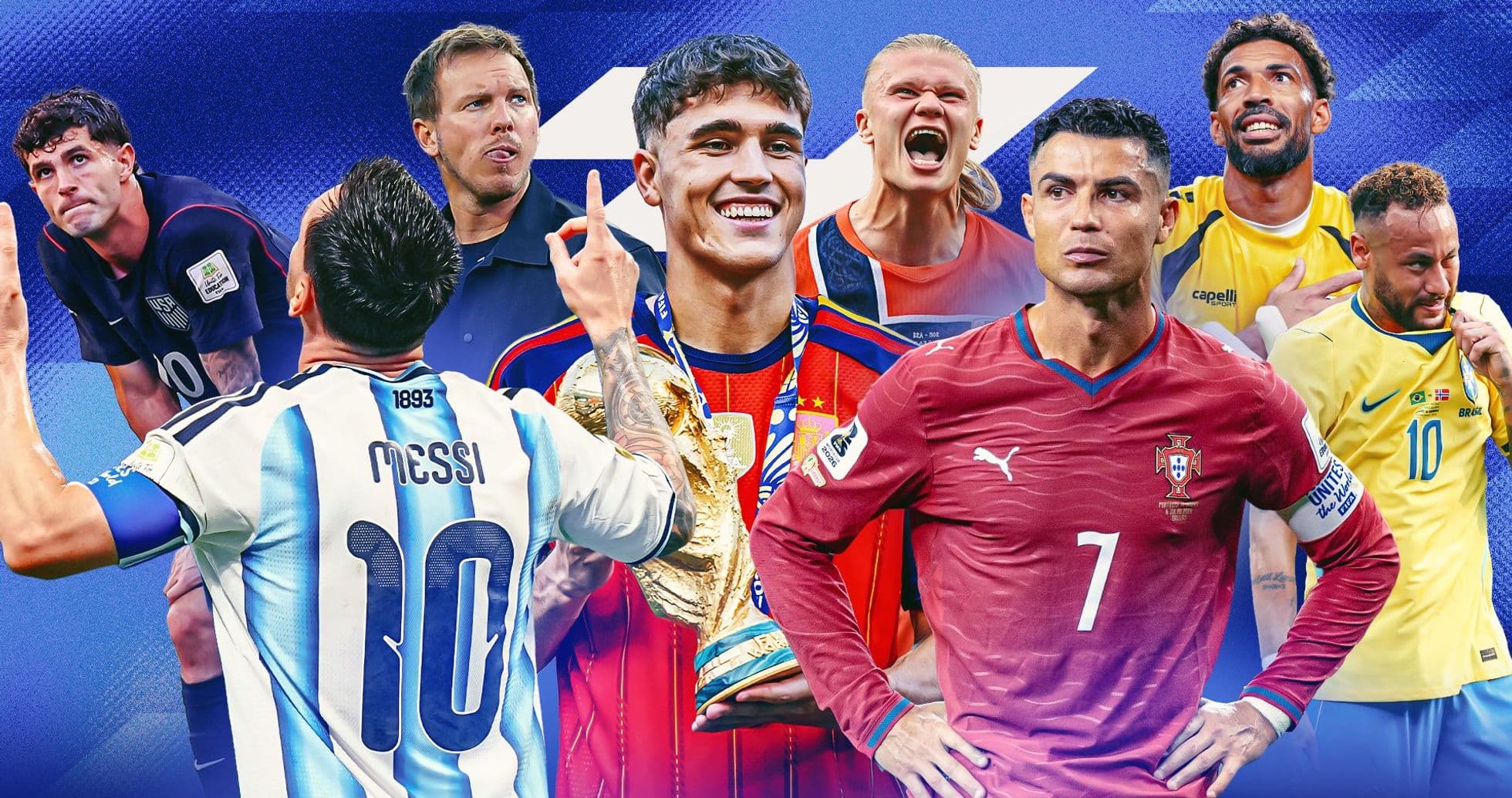
2026 World Cup Winners and Losers: Messi, Mbappe, Spain’s Defense Shine; Ronaldo, Neymar, and VAR Controversies Disappoint
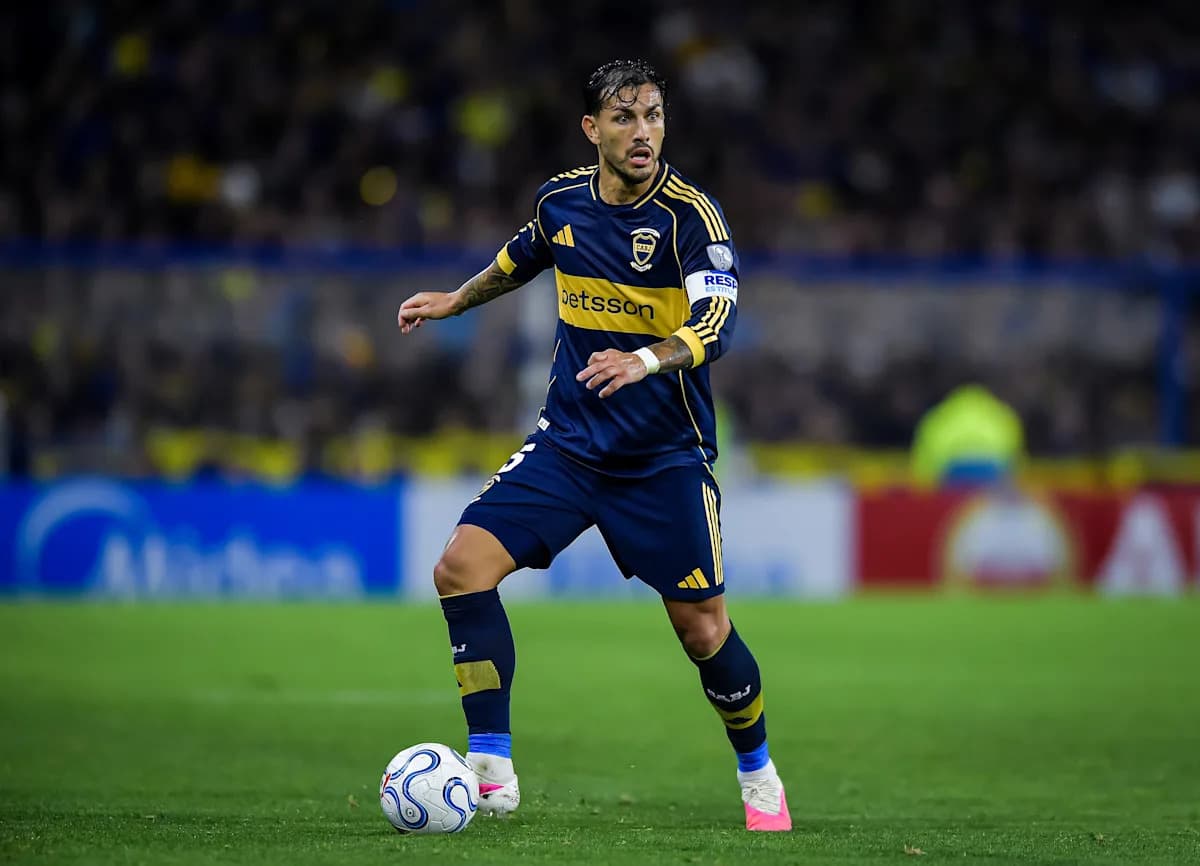
The 2026 World Cup concluded in New Jersey with Spain lifting the trophy after a tight 1-0 victory against a 10-man Argentina. Ferran Torres came off the bench to score the solitary goal in a final that many found lacking in excitement, marked by defensive caution and a late red card for Enzo Fernandez. Post-match tensions flared as Argentina's Leandro Paredes lashed out at Spanish players amid celebrations.
Spain's disciplined defense and midfield control earned them the title, reflecting a triumph for collective effort over flair. Their record of conceding just one goal throughout the tournament highlights their strength at the back.
Standout Performers
- Rodri anchored the midfield, shielding the defense effectively.
- Defenders Pedro Porro, Aymeric Laporte, Marc Cucurella, and 19-year-old Pau Cubarsi were instrumental throughout the campaign.
Erling Haaland's Rise
Despite Norway’s quarter-final exit to England, Erling Haaland emerged as a major figure. He scored seven goals in five matches, including two against Brazil. Exhausted but proud, Haaland reflected on how this World Cup changed him personally and professionally.
Kylian Mbappe's Historic Achievements
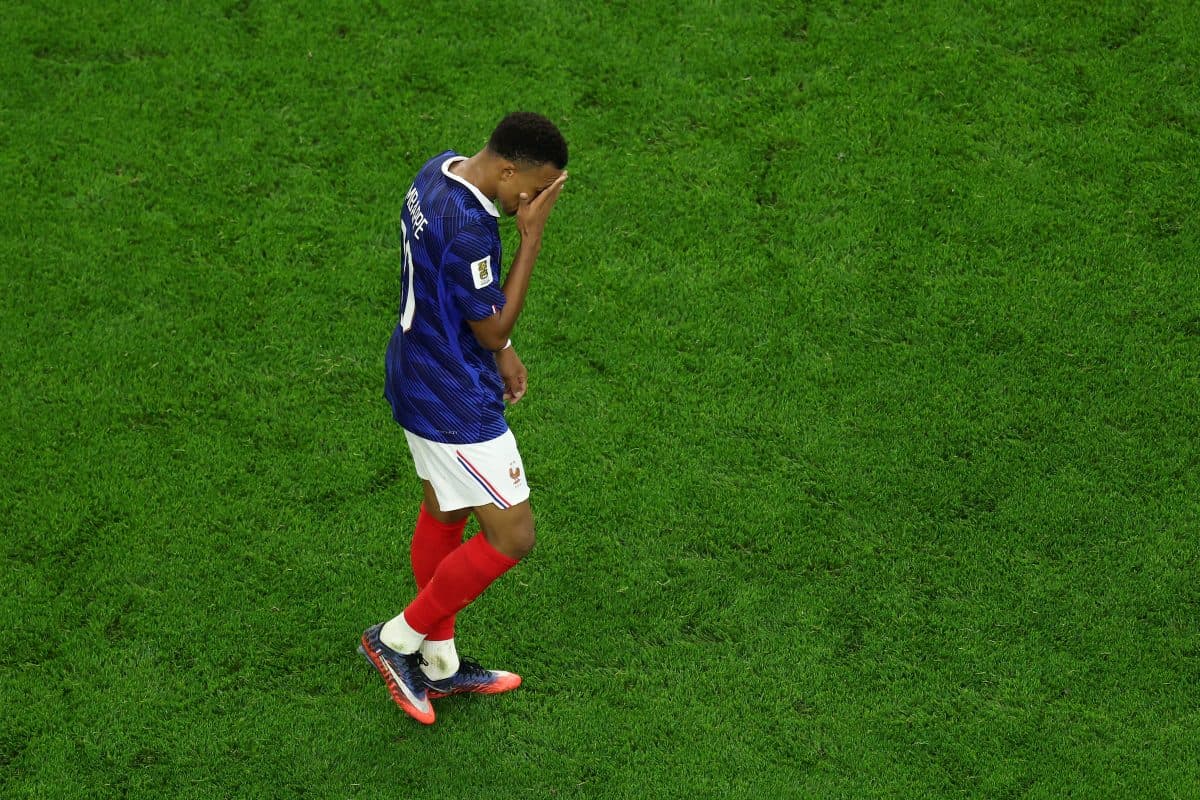
Kylian Mbappe became the first player to claim the Golden Boot twice and surpassed Lionel Messi as the World Cup’s all-time top scorer. His remarkable feat at age 27 suggests he could set records few will surpass.
Lamine Yamal’s Emerging Talent
The young Spanish winger Lamine Yamal showed glimpses of brilliance despite injuries. His maturity and team spirit impressed coach Luis de la Fuente, hinting at a bright future after already winning major titles.
Jude Bellingham’s Breakthrough
Jude Bellingham solidified his place as England's key player, scoring seven goals and becoming the highest English scorer in a single World Cup. His performance indicates he could be a leading figure for years ahead.
Morocco’s Strong Showing
Morocco advanced to the quarter-finals, showcasing Africa's growing football strength. Despite a loss to France, their attacking style and depth suggest potential for future success, especially with the next World Cup on home soil.
Cape Verde’s Inspirational Run
Smallest in landmass among participants, Cape Verde defied expectations, nearly upsetting Argentina and earning admiration worldwide. Their journey symbolized football’s unpredictable charm.
Iran’s Resilience Amid Adversity
Iran faced political obstacles and harsh treatment but still performed admirably, narrowly missing the knockout stage. Their call for peace and unity resonated beyond sport.
Thomas Tuchel's Positive Note
Though England’s campaign was inconsistent, Thomas Tuchel salvaged some pride by securing third place, the nation’s first World Cup medal since 1966.
Hossam Hassan’s Plea for Humanity
Egypt’s coach Hossam Hassan used the World Cup platform to highlight the suffering of Palestinians, urging the global community to show compassion and solidarity.
Notable Losers
Neymar's Emotional Farewell
Neymar ended his international career on a sour note following Brazil's defeat by Norway. Despite immense talent, injuries and off-field issues meant he never fully reached his potential like Messi.
Cristiano Ronaldo's Struggles
The 41-year-old Cristiano Ronaldo seemed far from his peak, visibly limited during Portugal’s early exit. His prolonged presence arguably hindered team progress amid a fading Golden Generation.
Christian Pulisic’s Missed Chance
Christian Pulisic faced criticism after the US lost to Belgium. His comments about resting post-injury sparked backlash, highlighting frustrations over his commitment in crucial moments.
Julian Nagelsmann’s Tarnished Reputation
Germany’s early exit intensified doubts about Julian Nagelsmann’s tactical abilities, leading to his resignation after a campaign marked by uninspired play.
Didier Deschamps’ Mixed Legacy
Didier Deschamps leaves behind a France team with huge talent but underwhelming results. Despite winning the 2018 World Cup, recent failures exposed shortcomings in leadership and tactics.
Marcelo Bielsa’s Troubled Tenure
Uruguay suffered a group-stage exit under Marcelo Bielsa, whose reign was marred by internal issues and poor results, culminating in an acrimonious departure.
Senegal’s Self-Inflicted Exit
Despite early promise, Senegal collapsed late against Belgium. Off-field disputes and internal conflicts contributed to a disappointing campaign.
Asian Teams’ Poor Performance
The AFC’s showing was underwhelming, with only Japan and Australia advancing past the group stage and then quickly eliminated. Several teams finished bottom of their groups, questioning the confederation's competitiveness.
Scotland’s Mediocre Display
Scotland exited early with limited attacking threat, prompting criticism of the expanded format that allowed weaker teams to progress.
Jesse Marsch’s Missteps
Canada made history reaching the knockout stage, but coach Jesse Marsch drew ridicule for comments dismissing Morocco after a heavy defeat.
VAR’s Impact on the Tournament
Several teams, including Croatia and Germany, were victims of controversial VAR decisions that dampened emotions and raised questions about technology’s influence on the sport.
FIFA’s Tarnished Credibility
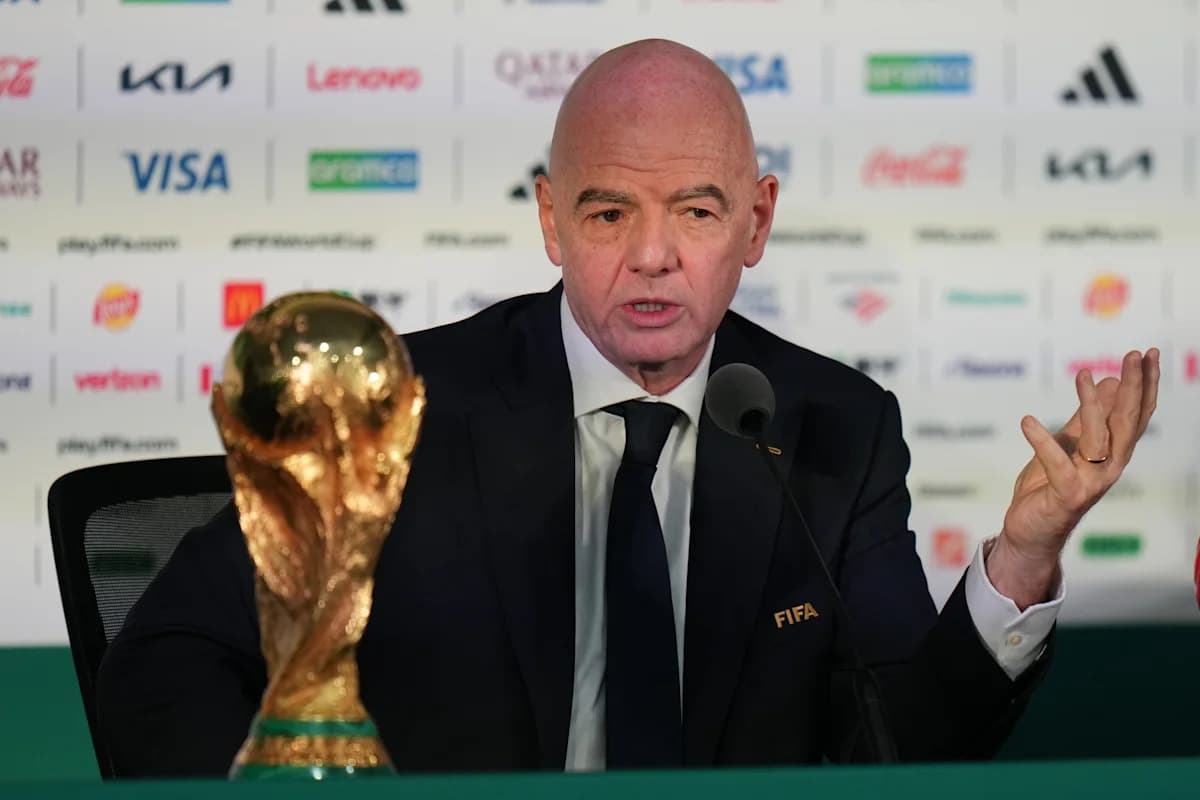
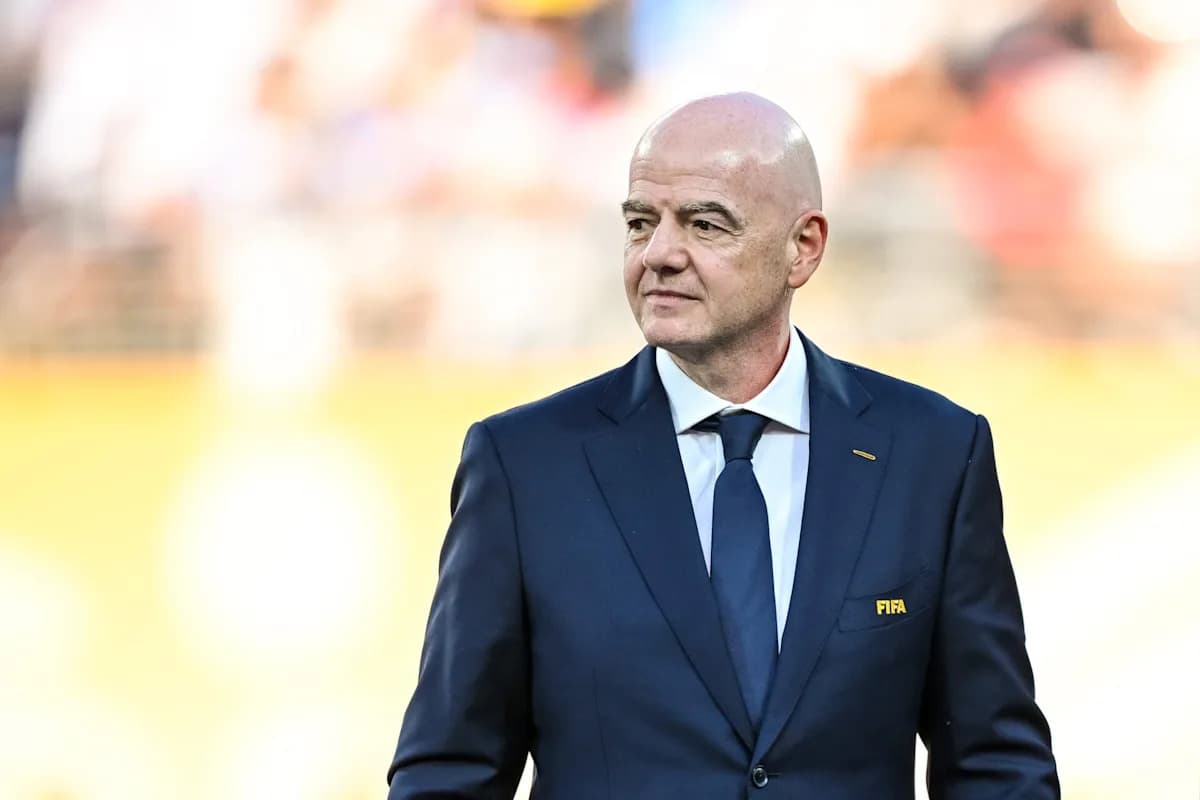
Political controversies, travel bans, altered game formats, and questionable refereeing calls cast a shadow over FIFA’s image. The organization's handling of incidents diminished trust and respect for the tournament.