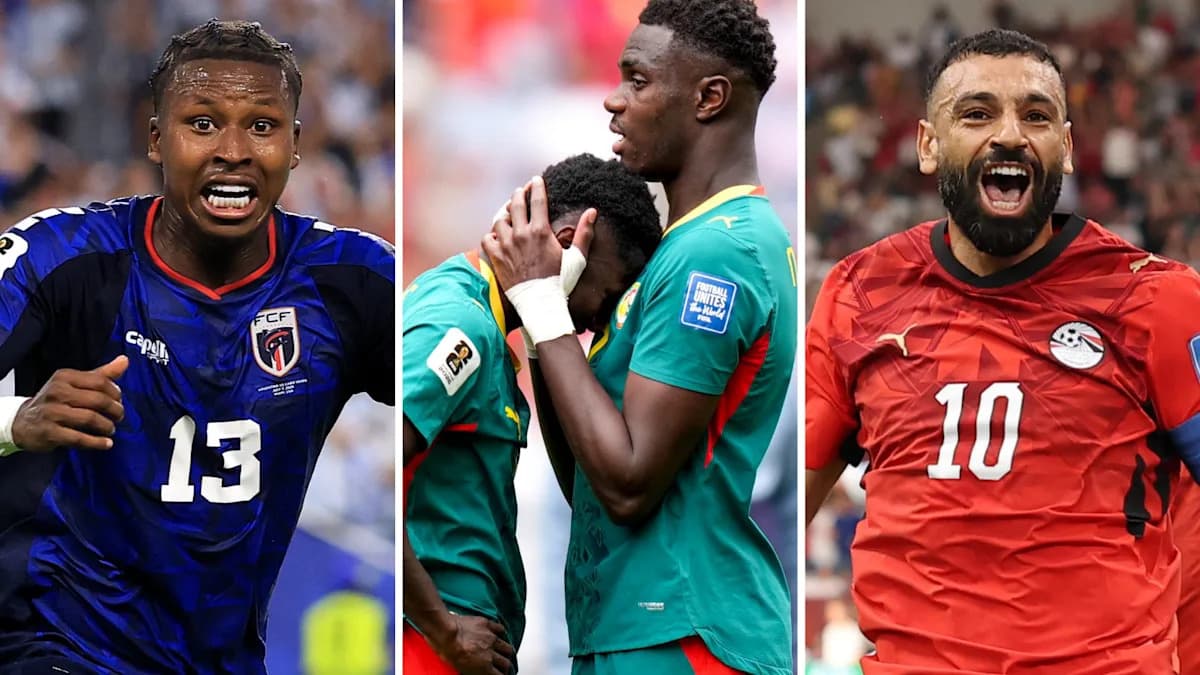
Africa's 2026 World Cup Journey: Underdogs, Late Goals, and New Milestones
The 2026 FIFA World Cup marked the largest African representation ever, with ten teams qualifying. Yet, despite some remarkable moments, the continent’s overall success was mixed. Nine African nations advanced to the knockout rounds, earning praise from Confederation of African Football (Caf) president Patrice Motsepe, who said they made the continent’s 1.6 billion people proud.
Only Morocco reached the quarter-finals, but late goals cruelly ended the campaigns of five teams. Senegal and Egypt each lost matches after holding two-goal leads, exiting in dramatic fashion. Meanwhile, Egypt and DR Congo celebrated their first-ever World Cup wins, joined by debutants Cape Verde, Ivory Coast, and South Africa in advancing past the group stage for the first time.
With Africa set to co-host the 2030 World Cup alongside Spain and Portugal, questions remain about what lessons can be drawn from this expanded tournament format.
Underdog Story: Cape Verde’s Unexpected Rise
Cape Verde stunned many by reaching the round of 32 in their World Cup debut. After holding draws against giants like Spain, Uruguay, and Saudi Arabia, the Blue Sharks pushed defending champions Argentina to extra time before narrowly losing 3-2.
Goalkeeper Vozinha became an overnight sensation, making crucial saves and boosting his Instagram followers from 50,000 to over 29 million during the tournament. His newfound fame even inspired a newly discovered sea slug species to be named after him.
Defender Roberto Pico Lopes stressed that Cape Verde’s recent performances at the Africa Cup of Nations showed their potential on the world stage. “We’re a small nation with big hearts,” Lopes said. “We’ve put ourselves on the map and proved what is possible if you believe.”
Morocco Extends African Quarter-Final Legacy
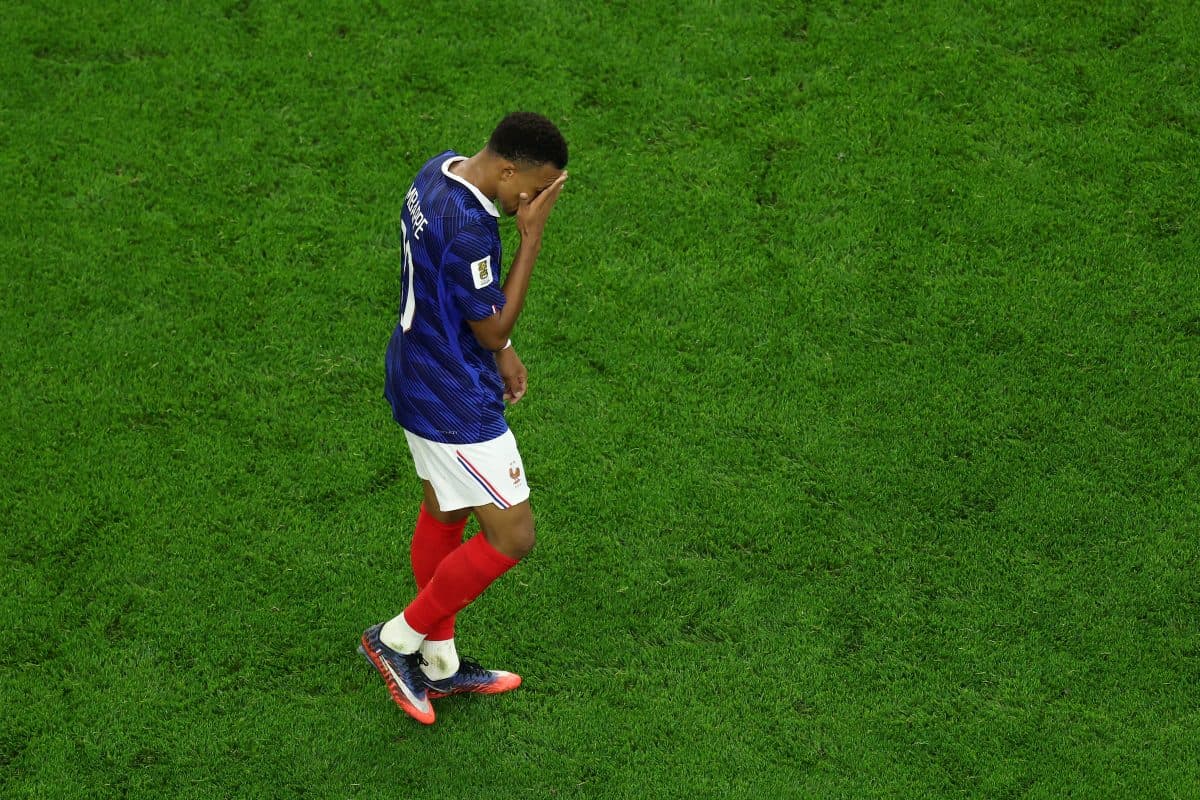
Morocco confirmed their status as Africa’s top-ranked team by becoming the first African side to reach back-to-back World Cup quarter-finals. Despite falling short of their semi-final run in 2022 after losing to France again, the team displayed growth under new coach Mohamed Ouahbi.
Eighteen-year-old midfielder Ayoub Bouaddi caught attention, linked with moves to Europe’s biggest clubs. Ouahbi spoke of a young squad eager to improve and build on their progress.
The Recurring Issue of Late Goals
Several African teams suffered defeats due to goals scored in the dying moments. Senegal squandered a 2-0 lead against Belgium, ultimately losing on a 125th-minute penalty — the latest winning goal ever recorded in World Cup history. Egypt saw their 2-0 advantage slip away to lose 3-2 to Argentina after a 92nd-minute header.
DR Congo, Ivory Coast, and South Africa also conceded match-winners in stoppage time during knockout games. Additionally, Algeria and Ivory Coast let late goals cost them potential group stage upsets.
Sport psychologist Dr Nikita Rowley explained that fatigue—both physical and mental—often causes lapses in concentration late in matches. The pressure and emotion mount as historic moments near, making mistakes more likely. This phenomenon isn’t unique to African teams, but it clearly impacted several of their outings.
Building Experience for Future Success
African nations benefited from the tournament’s expansion to 48 teams, jumping from five representatives to ten. Most squads advanced past the group phase, signaling progress. Gambian coach Mattar M Boge, involved in Fifa talent scouting, noted that many African players lack experience in high-pressure international matches compared to European and South American counterparts.
Boge pointed to the success of Europe’s Nations League system, which provides regular competitive fixtures with promotion and relegation, helping players handle stakes better. Africa is developing similar structures but has a way to go to match that consistency and intensity.
Disappointments and Off-Field Challenges
Tunisia disappointed by crashing out after heavy group stage losses, including a 5-1 defeat to Sweden and a 4-0 thrashing by Japan. Coach Herve Renard took over mid-tournament but could not reverse their fortunes.
Ghana also raised questions despite reaching the knockout round for the first time since 2010. The Black Stars failed to register a shot on target in their last-32 loss to Colombia, raising concerns over their attacking approach under coach Carlos Queiroz.
Beyond the pitch, visa restrictions barred many African fans from entering the United States, limiting their ability to support their teams. Top referee Omar Artan from Somalia was denied entry days before the tournament despite holding valid paperwork, only to be reassigned later to officiate a UEFA Super Cup match.
FIFA faced criticism for these issues, including suspending a one-match ban for US striker Folarin Balogun. Caf remained silent publicly while European football bodies condemned the governing body.
Looking Ahead
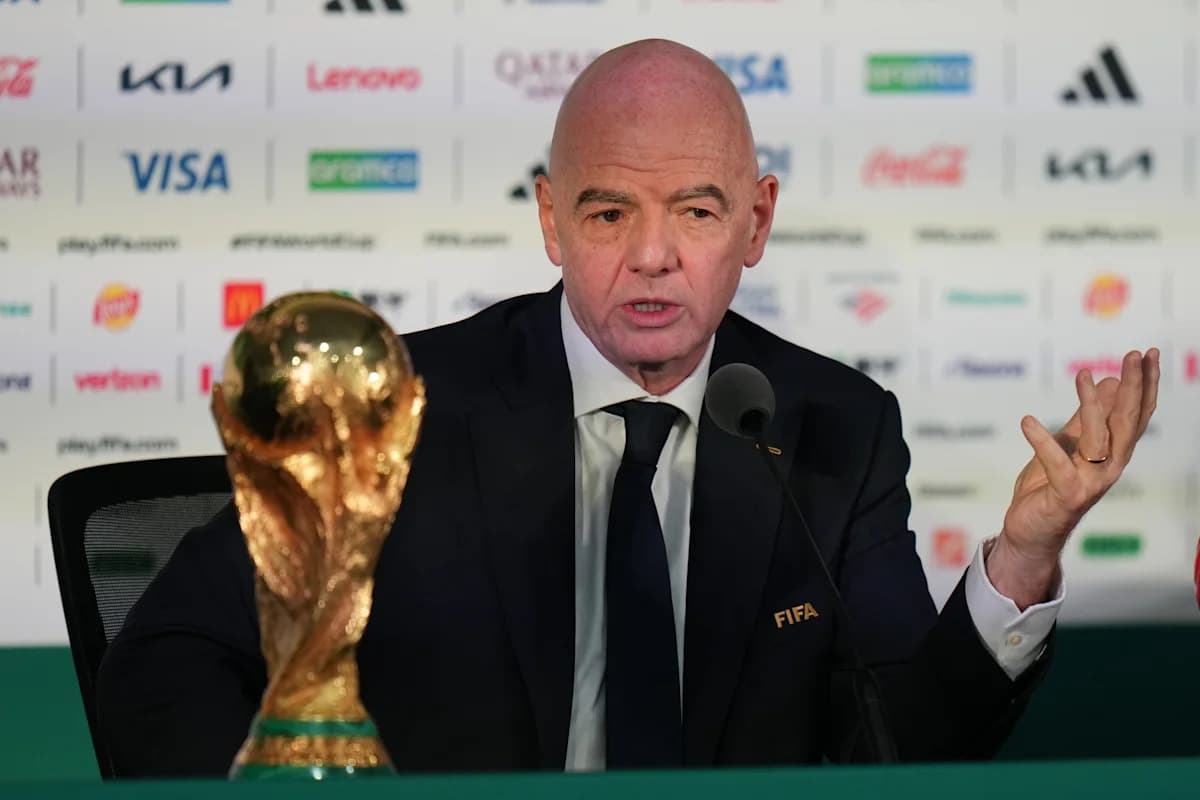
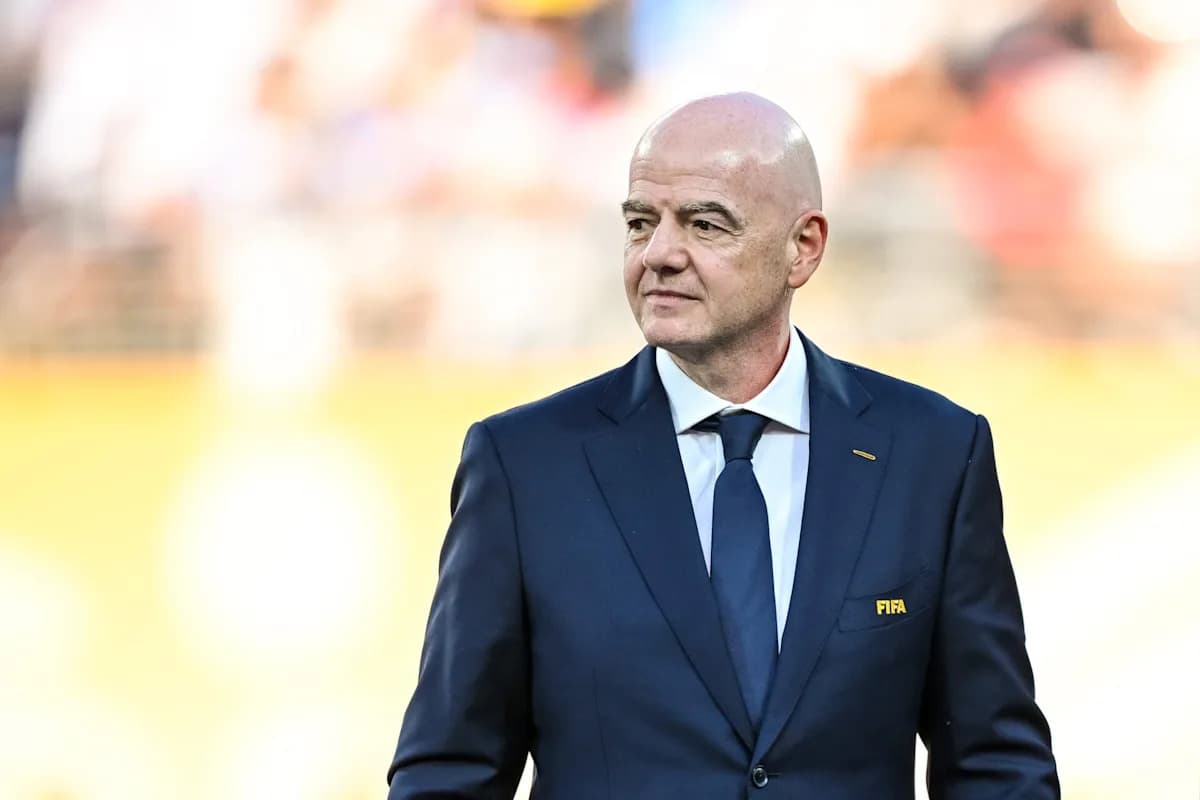
After a tournament full of firsts for African teams, FIFA president Gianni Infantino suggested expanding the World Cup to 64 teams, which would likely increase Africa’s presence further. The continent showed flashes of promise but also highlighted areas needing improvement—mainly closing out matches and gaining more competitive experience.
Maybe with time and development, Africa will turn these near-misses into deeper runs on football’s biggest stage.