Argentina's Anti-Football Tactics Cast a Shadow Over Lionel Messi’s Final World Cup Chapter
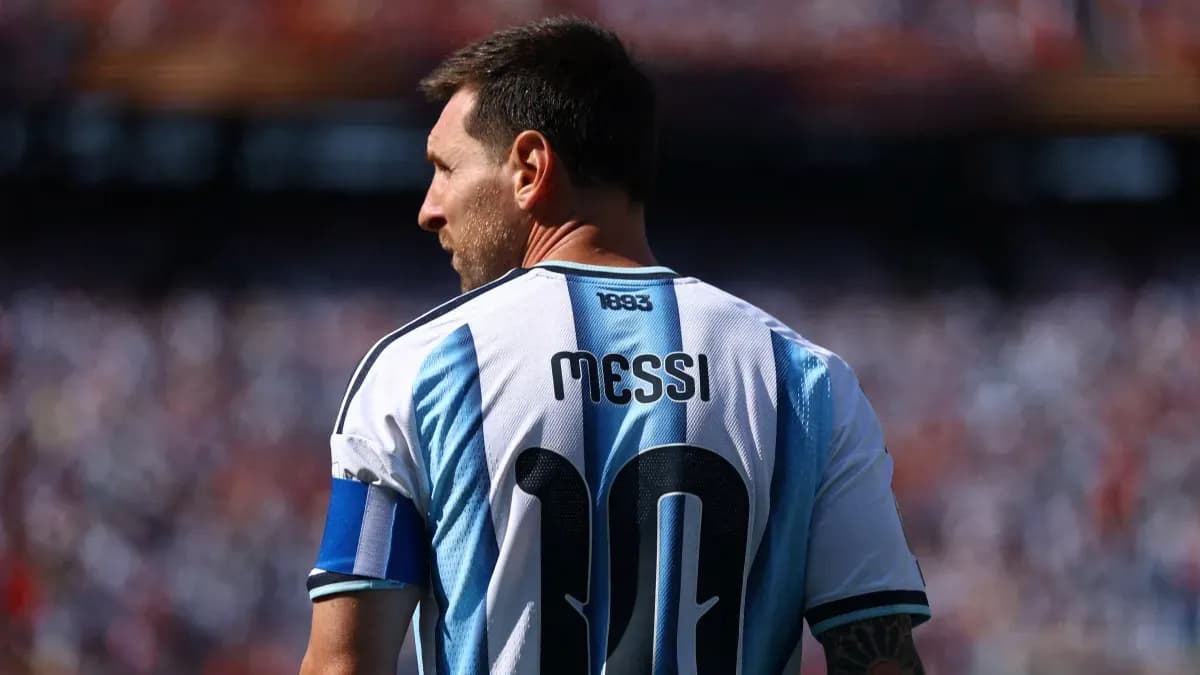
As Spain erupted in celebration after Ferran Torres scored, Lionel Messi quietly adjusted his socks. It wasn’t the fiery frustration fans have seen before, but rather the look of a man drained. His third World Cup final turned into a reluctant exercise in running under the scorching New Jersey sun.
In extra time during the 2026 final, Argentina's last real attempt came from Lautaro Martinez’s semifinal-winning goal against England. Messi’s presence was minimal, his efforts concentrated on the edges as he labored through the match. Maybe that explains why, facing such a lackluster team performance in their 1-0 loss at MetLife Stadium, anyone with pride would choose to stay away. The Argentine side was a disgrace.
The Complex Legacy of Argentine Football
Argentina’s style of football has always been a mix of beauty and brutality, charm and cunning. Its rich history draws from myths and legends that shape its identity. Messi represents the pinnacle of the beautiful game, yet Argentines often claim their version belongs to the people—rooted in the spirited and sometimes rough play of teams like River Plate’s La Maquina of the 1940s and the Maradona era.
The 1957 Copa America winners showcased free-flowing, attacking football dubbed la nuestra. Their forward line—Corbatta, Maschio, Angelillo, Sivori, Cruz—was both dazzling and streetwise, blending flair with dark arts. Maradona’s famous "Hand of God" and his Goal of the Century exemplify this duality.
Some Argentine squads leaned heavily on toughness. Estudiantes’ Copa Libertadores victories in 1968 and 1969, followed by intense Intercontinental Cup clashes with Manchester United and AC Milan, emphasized a more ruthless approach.
Argentina’s two World Cup triumphs illustrate this split. Cesar Luis Menotti's 1978 team celebrated expressive attacking football. Yet after a poor 1982 defense, Carlos Bilardo's pragmatic, grinding style led to 1986 glory with Maradona and the notoriously grim 1990 final defeat to West Germany, remembered as one of the ugliest in World Cup history—though the recent final in New Jersey could challenge that title.
Messi’s Career Ends on a Bitter Note
The tension between elegance and ruthlessness drives Argentine football. With Messi’s career nearing its end in the 2020s, a renewed focus emerged. Coach Lionel Scaloni rebuilt a team from the ruins of 2018, easing the burden on Messi.
There was joy amid Qatar 2022’s pressure. Emerging talents like Enzo Fernandez and Julian Alvarez energized the squad, while Angel Di Maria delivered stellar performances. Messi dazzled, and Argentina lifted the trophy after a thrilling final against France.
Yet Sunday’s display was another story. Following their 2021 Copa America win and a 2024 title, expectations ran high. Messi’s six group-stage goals in the U.S., including a hat-trick against Algeria, were magical. His Round of 32 goal against Cape Verde was a perfect touch and finish, signature Messi. His equalizer in the Round of 16 comeback against Egypt brought tears.
But tougher European opponents exposed cracks. Extra time was needed to beat Switzerland, they edged out England, then faced a fresher, technically superior Spanish team. At this point, Scaloni’s side leaned on darker tactics.
Referee Slavko Vincic allowed it. Alexis Mac Allister avoided a booking for a harsh foul on Dani Olmo. Argentina pushed boundaries, trying to disrupt Spain’s passing. If they had counterbalanced this with beautiful football, it might have felt less bitter. Instead, they couldn’t break through; Spain forced them to abandon ambition.
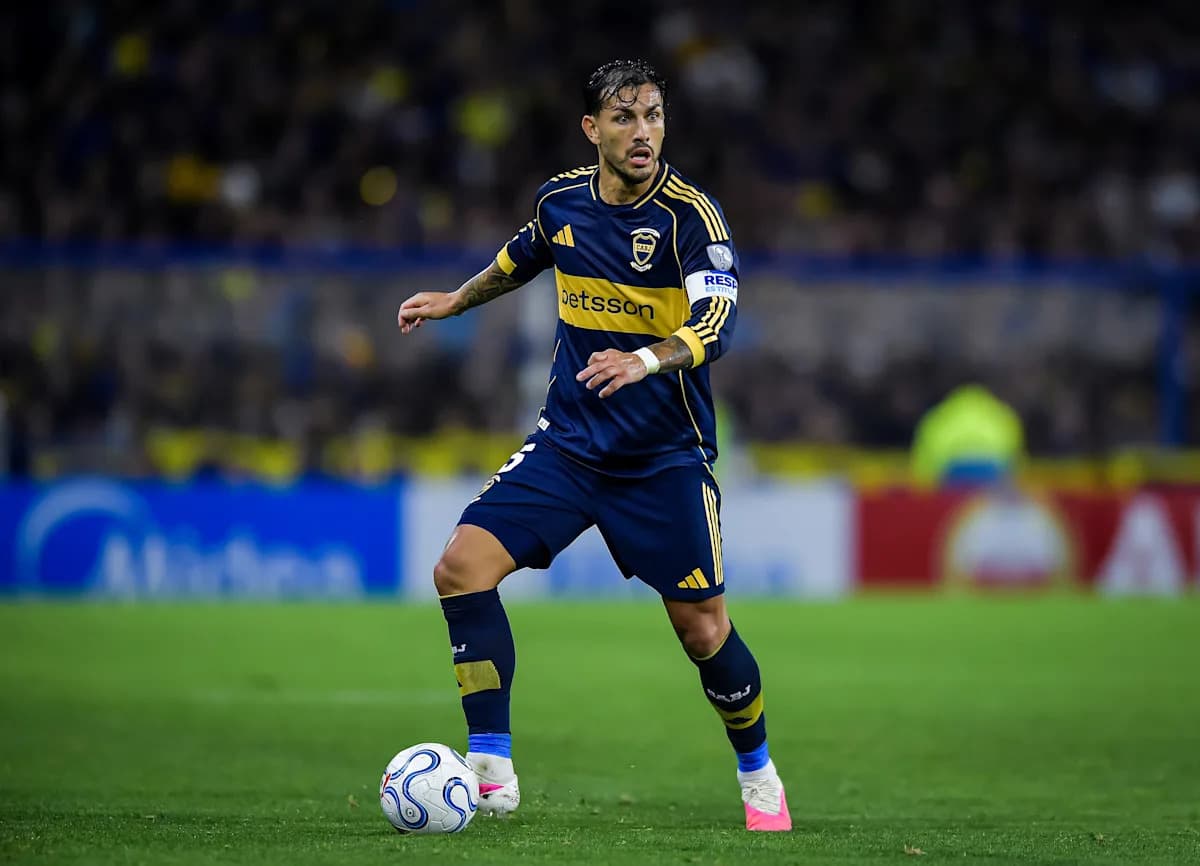
Enzo Fernandez was sent off for petulance. Leandro Paredes, introduced to calm midfield, played aggressively and nearly earned a red card. The ugly scuffle after full-time began when Nahuel Molina charged at Rodri. Spain’s midfield star walked away with the player of the tournament award, an honor Messi might have claimed.
In the final moments, Messi showed flashes of brilliance. He found space, set up a corner with a neat pass, sent a cross that hit the crossbar, and unleashed a fierce shot that hit Mikel Merino in the face. Even then, Messi tried to get Marc Cucurella penalized for talking behind his hand—an odd tactic reflecting Argentina’s desperation.
A Tarnished Ending for an Iconic Career
Spain’s celebrations left little doubt this final won’t be fondly remembered. Who wants to recall Messi involved in a side that sought victory by questionable means? This doesn’t diminish his legacy or career. Nothing can. It’s just sad that such a majestic journey ended in scrappy, desperate play with the very team that helped him reach football’s summit.