Arsenal Secures 2-0 Victory Against Bayer Leverkusen in Champions League
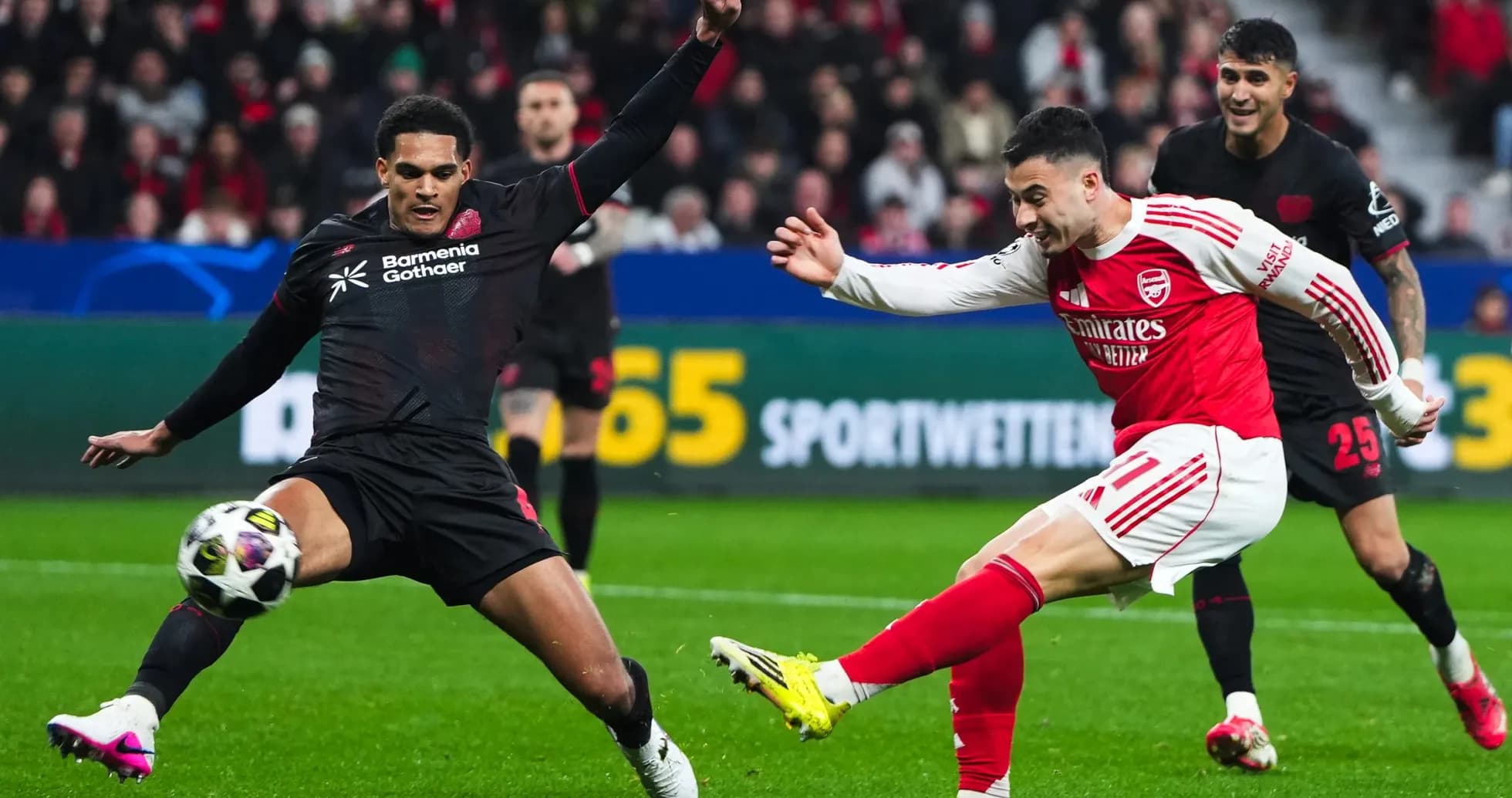
Under the lights at Emirates Stadium in London, Arsenal underlined their UEFA Champions League credentials with a controlled 2-0 win over Bayer Leverkusen in the Round of 16 on Tuesday night. Refereed by Danny Makkelie, the tie showcased the contrast between Arsenal’s ruthless efficiency and Leverkusen’s more sterile dominance of the ball.
Final Score: Arsenal 2 - 0 Bayer Leverkusen (HT: 1-0)
The match finished 2-0, a scoreline that accurately reflected Arsenal’s sharper work in both penalty areas. Coming in as group leaders and ranked 1st in the competition standings with 24 points and a goal difference of +19, Mikel Arteta’s side played with the authority of a team that has won all eight of its Champions League games this season. Leverkusen, ranked 16th with 12 points and a goal difference of -1, arrived as dangerous underdogs from the 1/16-finals path, but never quite found the cutting edge to trouble the hosts consistently.
Lineups
Arsenal lined up in a 4-2-3-1, with David Raya behind a back four of Ben White, William Saliba, Gabriel Magalhães and Piero Hincapié. Declan Rice and Martín Zubimendi anchored midfield, with Bukayo Saka, Eberechi Eze and Leandro Trossard supporting lone striker Viktor Gyökeres. Kasper Hjulmand’s Leverkusen opted for a 3-4-2-1, Janis Blaswich protected by Jarell Quansah, Robert Andrich and Edmond Tapsoba, with Alejandro Grimaldo and Ernest Poku as wing-backs, Exequiel Palacios and Aleix García in central midfield, and a front trio of Martin Terrier, Ibrahim Maza and Christian Kofane.
First Half
The breakthrough came before the interval and matched the half-time scoreline of 1-0. In the 36th minute, Eberechi Eze capped a strong first half by finishing from open play, assisted by Trossard. The move underlined Arsenal’s ability to slice through Leverkusen when they accelerated: Eze drifting into pockets between the lines, Trossard finding space and vision on the left. From there, Arsenal could lean on their structure and counter-attacking threat.
Leverkusen’s frustration began to show immediately after the restart. Palacios picked up a yellow card for a foul in the 46th minute, a sign of how often Arsenal’s midfielders were able to escape pressure and carry the ball into space.
Second Half
Hjulmand reacted on the hour with a double change, seeking more dynamism and creativity. Martin Terrier made way for Malik Tillman in the 60th minute, and Ernest Poku was replaced by Montrell Culbreath at the same time. The intention was clear: fresh legs and more invention around the box. Yet within minutes, Arsenal tightened their grip on the tie.
In the 63rd minute, Declan Rice struck Arsenal’s second, again from open play. Unassisted, Rice’s goal was emblematic of his influence: stepping into advanced areas from his deeper role and punishing Leverkusen when they failed to clear their lines decisively. At 2-0, Arsenal had a platform to manage the game.
Arteta moved quickly to protect energy levels and maintain control. On 68 minutes, Martín Zubimendi went off and Christian Nørgaard was introduced, offering fresh defensive nous in midfield. A minute later, Arsenal reshaped their back line and attack: Ben White departed for Cristhian Mosquera, Trossard was replaced by Gabriel Martinelli, and Eze made way for Kai Havertz, all in the 69th minute. Each change preserved Arsenal’s intensity without sacrificing their counter-attacking threat.
Leverkusen continued to chase a route back. Palacios, already on a booking, was withdrawn in the 70th minute for Patrik Schick, a more direct penalty-box presence. Later, in the 83rd minute, Robert Andrich left the field with Ezequiel Fernández coming in to freshen up the back line and midfield distribution. Despite these adjustments, Leverkusen’s final-third production remained limited.
Statistics
The numbers told the story of a paradoxical contest. Leverkusen enjoyed 58% of the ball, completed 471 of 536 passes at an 88% accuracy rate, and earned eight corners. Yet they mustered only nine shots in total, with just two on target. Arsenal, with 42% possession and 383 passes at 84% accuracy, were far more incisive: 21 total shots, 12 on target, and 13 efforts from inside the box. The home side’s xG of 1.75 reflected sustained, high-quality chance creation, while Leverkusen’s 0.52 underlined how rarely they carved out clear openings.
Defensively, Arsenal were compact and disciplined, committing only four fouls and finishing with a clean disciplinary record: no yellow or red cards. Raya was called into action for just two saves, his goal largely well-protected by the back four and the screening work of Rice and Zubimendi (then Nørgaard). Arsenal’s four blocked shots further illustrated their commitment to protecting the area in front of Raya.
At the other end, Blaswich had a busy evening. He made 10 saves, a testament to Arsenal’s relentless pressure when they did attack. Leverkusen’s defenders blocked two shots, but were often exposed by Arsenal’s rotations between the lines.
Arteta’s final change came in the 90th minute, with Viktor Gyökeres leaving the pitch and Myles Lewis-Skelly coming on, a move that added fresh legs to see out the closing stages.
In verdict, this was a performance that reinforced Arsenal’s status as one of the competition’s form teams: 24 points, +19 goal difference, and a perfect record encapsulated in a calm, controlled 2-0 victory. Leverkusen, for all their possession and tidy build-up, left London with their limitations at this level laid bare, remaining on 12 points and a -1 goal difference in their Champions League campaign snapshot.