Arsenal Players Shine in 2026 World Cup Knockout Stage
The group stage is over. The jeopardy starts now.
Seventy-two games into the 2026 World Cup, Arsenal’s travelling party remains perfectly intact. All 15 Gunners who flew to North America still have a shot at the biggest prize in the game, each of them safely through to the last 32. Only Manchester City, Bayern Munich and Paris Saint-Germain sent more players; none can boast a cleaner survival rate.
For Arsenal, this is a World Cup threaded through almost every major storyline. From title favourites to dark horses, from co-hosts to surprise packages, there is a red-and-white strand running through the bracket.
Brazil’s twin towers go first
The knockout phase opens for Arsenal eyes in Houston on Monday, where Brazil face Japan. It’s Gabriel and Gabriel Martinelli who step into the spotlight first.
Big Gabi has been a constant at the heart of Brazil’s defence, starting all three group matches as they took seven points to top their section. Martinelli has had to work from the fringes so far, coming off the bench twice, but his pace and direct running could yet become a decisive weapon as games tighten.
Brazil arrive as group winners, but now the margin for error disappears. One mistake, and that perfect Arsenal record is suddenly under threat.
Havertz chasing redemption with Germany
Later that night in Foxborough, the tone shifts. Germany, and Kai Havertz, walk out still smarting from a shock defeat to Ecuador in the groups. The response comes against South American opposition again, this time Paraguay.
Havertz has carried his share of the load. Three starts, two goals, and a clear sense that Julian Nagelsmann trusts him in the sharp end of the pitch. Germany’s campaign has flickered between control and chaos; Paraguay will test which version shows up when the stakes rise.
For Havertz, it’s a chance to push past that Ecuador setback and reassert Germany as a genuine contender rather than a vulnerable giant.
Odegaard resumes command for Norway
On Tuesday, attention turns to Dallas, where Martin Odegaard returns to centre stage. Norway are already enjoying uncharted territory, and their captain sat out the final group game against France with qualification secure.
Now comes Ivory Coast, and with it the kind of match that defines a playmaker’s tournament. Odegaard’s vision and tempo-setting have underpinned Norway’s progress; with fresh legs and a rested mind, he steps back in with everything on the line.
Norway don’t often find themselves here. Odegaard does not look inclined to let the opportunity slip.
Saliba v Gyökeres: Gunners collide in New Jersey
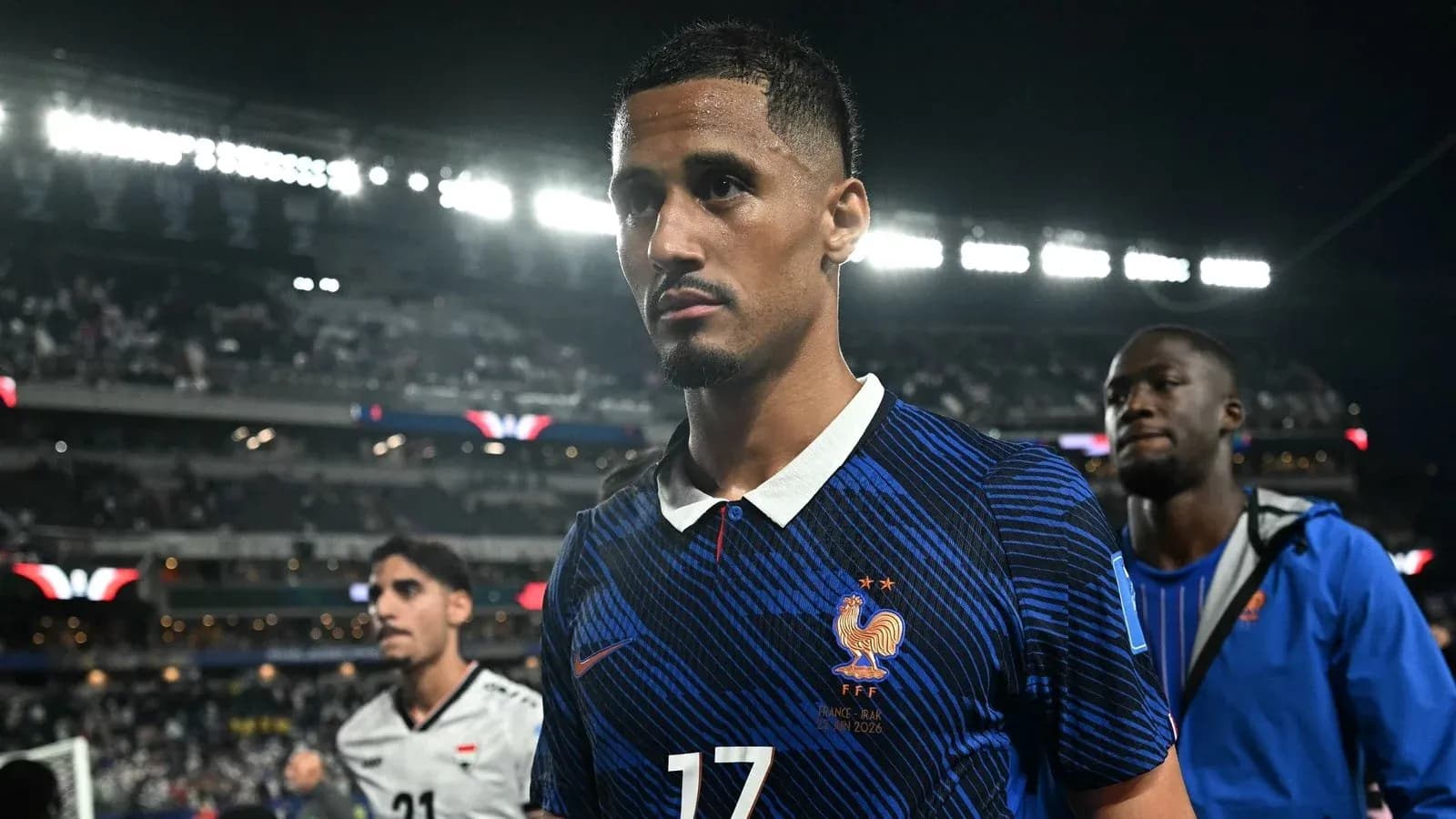
From Dallas, the focus swings to New York/New Jersey and one of the most intriguing Arsenal subplots of the round: William Saliba against Viktor Gyökeres as France meet Sweden.
Both arrive well used, but not overworked. Saliba, like Odegaard, was rested for that final group game between their nations. Gyökeres has gone the other way, playing every minute for Sweden and scoring once, leading the line with relentless movement and physicality.
It’s a classic duel: the elegant, imposing centre-back against the tireless, hard-running striker. One Gunner moves on; one goes home. For Arsenal supporters, this is the first unavoidable casualty of a dream group-stage scenario.
Hincapié and Ecuador ride the wave to the Azteca
The drama barely pauses. In the early hours of Wednesday, Piero Hincapié’s Ecuador walk into one of world football’s great arenas: the Azteca Stadium, to face co-hosts Mexico.
Ecuador arrive buzzing after stunning Germany, coming from behind to win and punch their ticket to the knockouts. Hincapié has been an ever-present in that run, starting all three matches and anchoring a side that has combined resilience with sharp counter-attacking.
Mexico, the noise, the altitude, the history – this is the kind of tie that can turn a rising defender into a household name.
England’s Arsenal core returns in Atlanta
By Wednesday evening, it’s England’s turn again, this time in Atlanta against DR Congo. The Arsenal imprint on Gareth Southgate’s squad is unmistakable.
Bukayo Saka, who made a telling impact in the final group game against Panama, will push to start once more on the right. Declan Rice, rested for that match, is expected to step back into midfield to restore England’s usual balance. Noni Madueke has featured in all three fixtures so far, adding directness and craft from wide areas, while Ebere Eze has twice come off the bench to offer guile between the lines.
England’s campaign has moved steadily rather than spectacularly. With knockout pressure rising, this is where Saka’s cutting edge and Rice’s authority so often separate promise from progress.
Trossard firing Belgium’s charge
Later on Wednesday, the World Cup shifts to Seattle, where Belgium – and Leandro Trossard – face Senegal.
Trossard has already left his mark on this tournament. A brace in a 5-1 demolition of New Zealand propelled Belgium to top spot in their group and confirmed his growing importance to their attack. Three games, three starts, and now a fourth looming against a Senegal side that rarely gives anyone an easy night.
Belgium’s so-called golden generation may have faded, but with Trossard in this form, they still carry a sharp edge.
Spain’s trio eye their moment in Los Angeles
On Thursday, the Spanish chapter unfolds in Los Angeles as Spain meet Austria, with a last-16 date against either Portugal or Croatia on the line.
Mikel Merino has been a regular presence, chalking up three appearances and offering his usual blend of industry and intelligence in midfield. Martin Zubimendi and David Raya are yet to see a minute, but tournaments turn quickly. One injury, one tactical tweak, and suddenly a squad player becomes central to the story.
Spain’s path looks demanding, but familiar. Navigate Austria, and the real heavyweight clashes begin.
From Houston to LA, from the Azteca to Atlanta, Arsenal’s fingerprints are everywhere on this World Cup’s knockout bracket. Fifteen players entered the tournament with the same dream; all 15 are still alive.
The question now is simple: when the dust settles on North America 2026, how many of them will be lifting that trophy – and how many will be wondering how close they came?