Atalanta vs Borussia Dortmund: Tactical Efficiency and Game Control
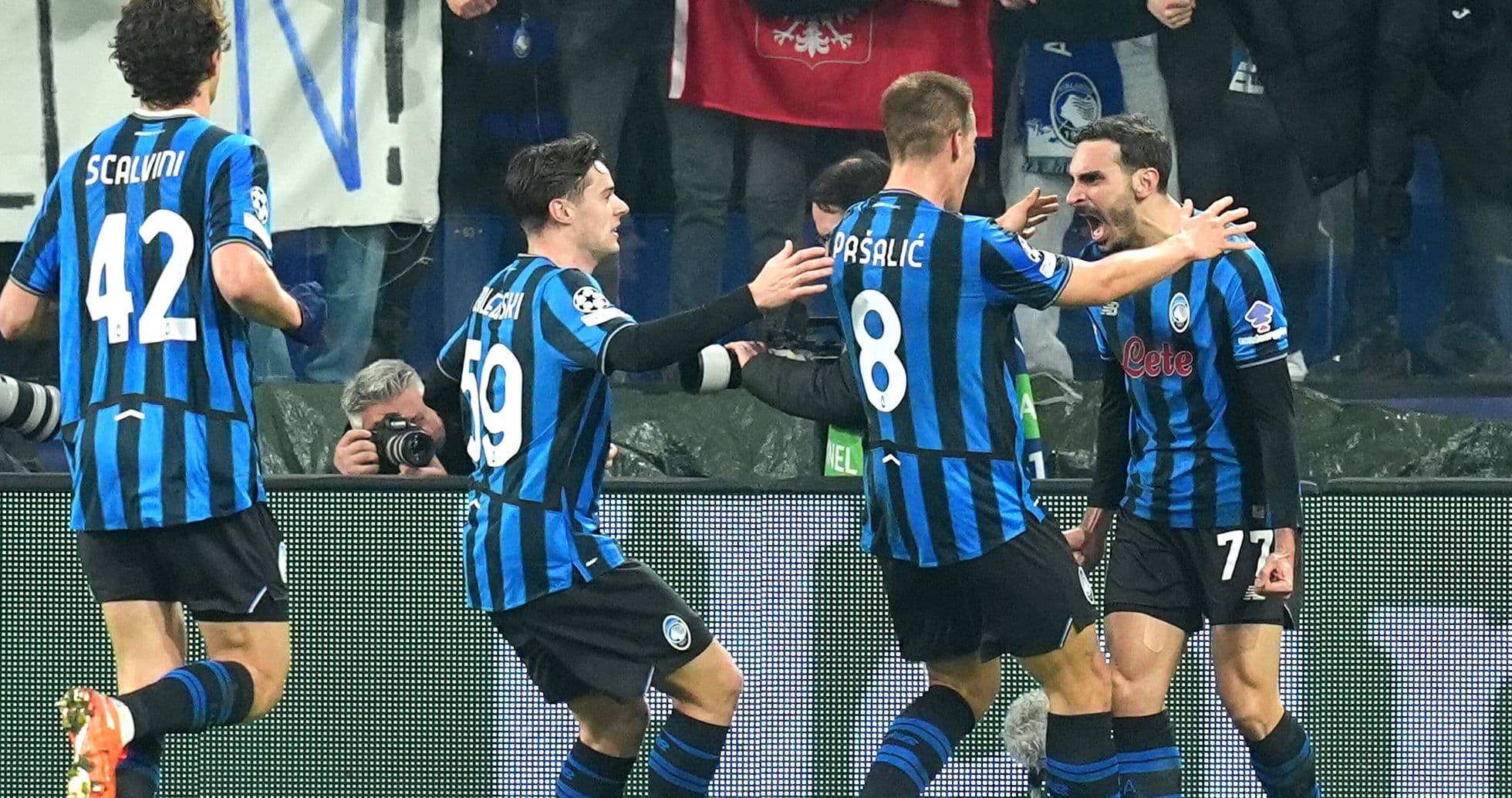
This was a classic case of space beating the ball. Borussia Dortmund saw more of the ball with 56% possession and completed more passes (515 to Atalanta’s 394), but Atalanta dictated the terms of the game without needing territorial dominance. Palladino’s side, in a 3-4-2-1, accepted a medium block and looked to spring quickly into the spaces Dortmund left when trying to progress. The Italians’ 44% possession was purposeful rather than reactive: they consistently turned regains into direct attacks, especially into the box, while Dortmund’s longer spells of circulation rarely destabilised Atalanta’s structure. Early numerical advantage from Dortmund’s pre‑kickoff red card further tilted the spatial control toward the hosts.
Offensive Efficiency
Atalanta’s attacking plan was built on verticality and box occupation. Despite having less of the ball, they produced 14 total shots to Dortmund’s 7 and, crucially, 12 of those 14 came from inside the box. That shot profile, backed by an expected_goals figure of 2.49, shows repeated access to high‑value areas rather than speculative efforts. Their 8 shots on goal forced Gregor Kobel into 4 saves and generated 5 corners, underlining sustained pressure whenever they advanced.
Dortmund, by contrast, were sterile with their possession. They mustered only 7 total shots, all 7 from inside the box but just 4 on target, for a modest expected_goals of 0.93. That suggests they struggled to create truly clear openings, often arriving in the box under pressure rather than in clean one‑v‑one or cut‑back situations. Atalanta’s ruthlessness is also reflected in the scoreline versus volume: converting 4 goals from 8 shots on target points to a side that consistently turned good positions into end product, while Dortmund’s lower shot volume and output reveal how their structured build‑up failed to translate into sustained threat.
Defensive Discipline & Intensity
Out of possession, Atalanta leaned into controlled aggression. Their 17 fouls against Dortmund’s 10 indicate a deliberate strategy of breaking rhythm and stopping transitions early. Yet they managed this with only 1 yellow card, showing tactical rather than reckless fouling. Defensively, they limited Dortmund to 7 shots and required just 3 goalkeeper saves, evidence of strong protection of the central zones in front of Marco Carnesecchi.
Dortmund’s defensive phase, however, unravelled under pressure and game state. They committed fewer fouls (10) but collected 4 yellow cards and 2 red cards, including one before kick‑off and another in stoppage time, leaving them repeatedly undermanned. Kobel’s 4 saves and the low “goals_prevented” value of 0 underline that the issue was not goalkeeping but the volume and quality of chances conceded once Atalanta broke their lines.
Atalanta’s vertical, box-focused efficiency and disruptive defensive intensity outweighed Dortmund’s possession. With 44% of the ball but double the shots and a far higher expected_goals, the hosts showed that incisive use of space and smart fouling patterns can decisively beat slower, more sterile control.