Atlético Madrid Rejects Barcelona's Pursuit of Julián Álvarez
Atlético Madrid have not just said no to Barcelona. They’ve bolted the door, drawn the shutters and nailed a sign across the front: “Julián Álvarez is not for sale.”
Miguel Ángel Gil Marín didn’t leave a millimetre of doubt. “We will not accept 100, 150 or 200 million for Julián,” the Atlético CEO declared, pointing straight at the €500 million release clause and refusing to move an inch.
A squad built to win now
Diego Simeone’s team has shifted up a gear this summer. This is not a club in transition; it’s a club arming itself.
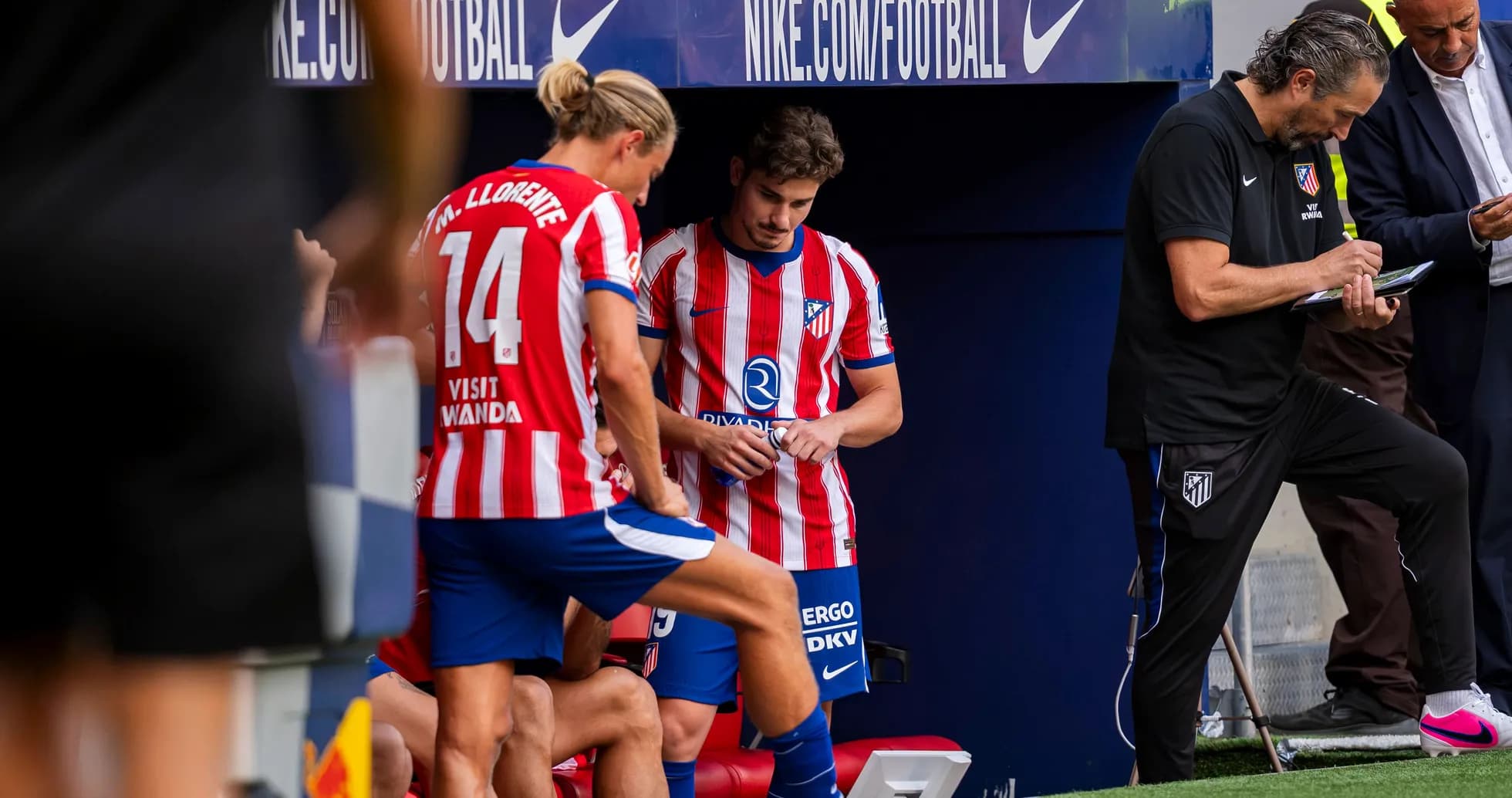
Cuti Romero, Mats Hummels, Kang-in Lee and Alejandro Grimaldo have arrived, along with Arnau Ortiz. Big names, big salaries, big expectations. But the entire project, the real bet, is up front.
The attack is the pillar. Simeone said it bluntly after the draw with Villarreal: “If we want to win a title, we need to be together and to have important forwards. We have that and we must keep it.”
The data backs his conviction. Álvarez is currently rated the third most expensive forward in world football at €120 million, according to Transfermarkt, behind only Erling Haaland and Kylian Mbappé. Ten goals in the Champions League dragged Atlético to the semi-finals despite an ankle injury. That output, at that level, in a market where prices are estimated to be 43% above true value, is simply irreplaceable.
Atlético are not cornered by financial fair play. The arrival of the Apollo fund has given the club extra muscle and ambition. Cashing in on their star now would not feel like smart business. It would feel like surrender.
From transfer tug-of-war to formal complaint
The refusal hasn’t just played out in the press or in backroom calls. Atlético have taken the fight to the legal arena.
The club have lodged an official complaint with FIFA and the Spanish Football Federation, accusing Barcelona of negotiating with Álvarez behind their back at a particularly delicate moment: when the two clubs were facing each other in both the Champions League and the Copa del Rey last season.
According to Atlético’s version, Barcelona “exerted pressure and harassment” on the player to push him towards the Camp Nou. Inside the Metropolitano, they are convinced that Álvarez’s public statements on 22 June formed part of a coordinated strategy between Barça and the player’s agents: unsettle him, force him to agitate for a move, drag the price down and scare off Premier League suitors.
For Atlético, that crosses a line. This is no longer just a market battle. It’s a question of principle.
A rival you don’t strengthen
There is also the cold logic of competition. Atlético see Barcelona as a direct rival on every front.
Last season, Barça knocked them out of the Champions League and the Copa del Rey. La Liga remains the great domestic obsession. On top of that, the two clubs will meet again in the Spanish Super Cup semi-final. In that context, selling your best player to a team you will likely be fighting in every competition isn’t a transfer. It’s self-sabotage.
That same logic killed another monster bid. After Florentino Pérez’s re-election at Real Madrid, a €150 million offer arrived from the Bernabéu. The response was identical. The badge on the cheque didn’t matter. The principle did.
Julian is not for sale. And if one day he has to go, the message from Atlético is clear: it should be abroad, and only as a last resort to clubs such as Arsenal or Chelsea.
Barça’s offer that lit the fuse
Barcelona finally came forward with an official proposal: €100 million, spread over several years.
At the Metropolitano, the reaction was scathing. Atlético considered the offer derisory and responded with a dose of irony on social media, portraying the approach as a repeat of the “Nico Williams” playbook: push the player into the public spotlight, get him to declare he wants out, then watch his market price crumble under the pressure.
Instead of opening the door, that bid only hardened Atlético’s stance.
A star at war with his own crowd
Now comes the awkward part. The club have the power, but the dressing room has the tension.
Álvarez wants to leave. The fans, once in love with him, have turned. Whistles, anger, a sense of betrayal. The idol has become a target.
Simeone, caught in the middle, knows exactly what he needs if he is to turn this supercharged squad into a trophy-winning machine: a ruthless No 9 who embraces being the centre of everything, not a forward with his head halfway out the door.
The clock is ticking. The saga has a clear endpoint: 1 September, 23:59.
By then, one of two things will happen. Either Julián Álvarez walks out into a new life, or he stays put in Madrid, tasked with repairing a fractured bond and leading a club that has bet its entire sporting project on him.