Banks Chooses Germany Over USMNT in Defender Decision
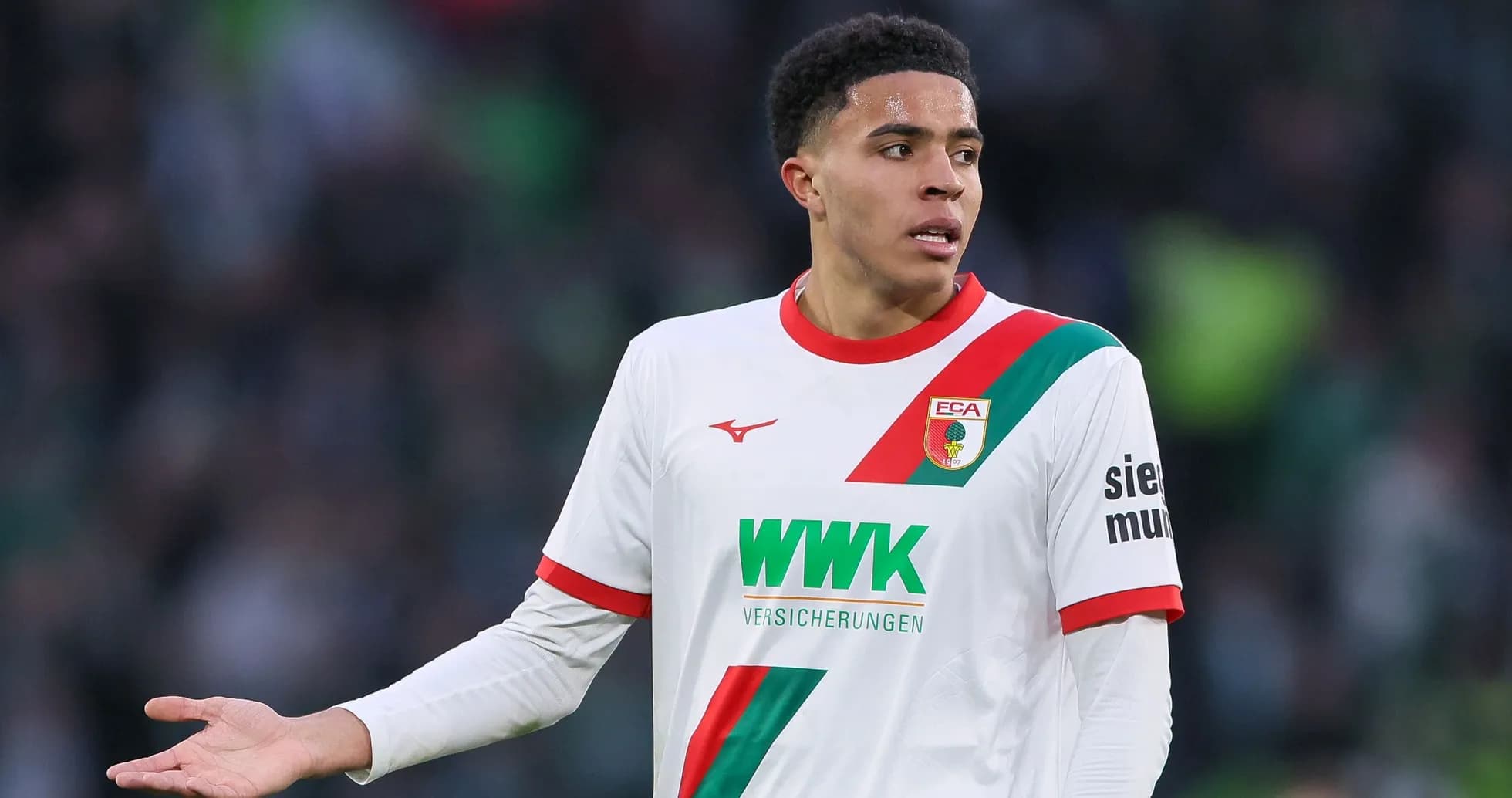
The tug-of-war is over. On Friday, teenage defender Banks made his decision official, filing a one-time switch to represent Germany and joining the German U-21 squad for this international window.
With that single piece of paperwork, the door to the USMNT slammed shut. FIFA’s one-time switch rules mean he can no longer play for the United States, a program he had already represented at youth level and briefly joined for one senior camp in 2025.
For a U.S. team in the middle of a centerback refresh, it stings. A young, high-upside defender, gone. But inside the camp, there was no public drama.
Pochettino laid it out plainly.
“He called us," Pochettino said. "He said, ‘I decided to go for Germany’. Yes, that is a situation that we need to deal with. We want players that show commitment, but commitment is not 50 percent; it's 200 percent.”
The message was clear: if there’s doubt, there’s a problem.
“He was honest because every time that we contacted him with the possibility to join us, he said, 'No, still in doubt, I don't know if I want to pick the USA or Germany',” Pochettino added. “He was honest and we want players with no doubt. We want players who commit and are desperate to play for the badge and play for us.”
So the U.S. move on without him, and Germany gain another young option at the back.
Inside U.S. Soccer, though, this isn’t just about one defender. It’s about the broader battle for dual nationals, a fight that never really ends and rarely runs in straight lines.
U.S. Soccer CEO JT Batson framed Banks’ choice inside that bigger picture.
“We want players who want to represent their country and represent U.S. Soccer, and our job is to give them the best platform to do that," Batson said. "We know that there are millions of kids who are waking up every day in this country who are desperate to play for their national team, and it's our job to create an environment where they can flourish.”
The mission, as Batson sees it, stretches far beyond one recruitment win or loss.
“I know that, wherever you live around the world, if you want to represent the U.S., you want to give it your all, and you're good enough to play, we want you,” he said. “It's our job to create an environment to be able to scout those players, be able to engage them with youth national teams, be able to provide them opportunities to play at the highest levels of the youth, and ultimately, hopefully, to represent their country.”
Banks has made his call. Now the question for the USMNT is simple: who’s next in line to give that “200 percent” for the badge?