Barcelona's 2026-27 Captains: A Reflection of Identity and Leadership
Barcelona have named their five captains for the 2026-27 season – and the list says as much about the club’s identity as it does about its hierarchy.
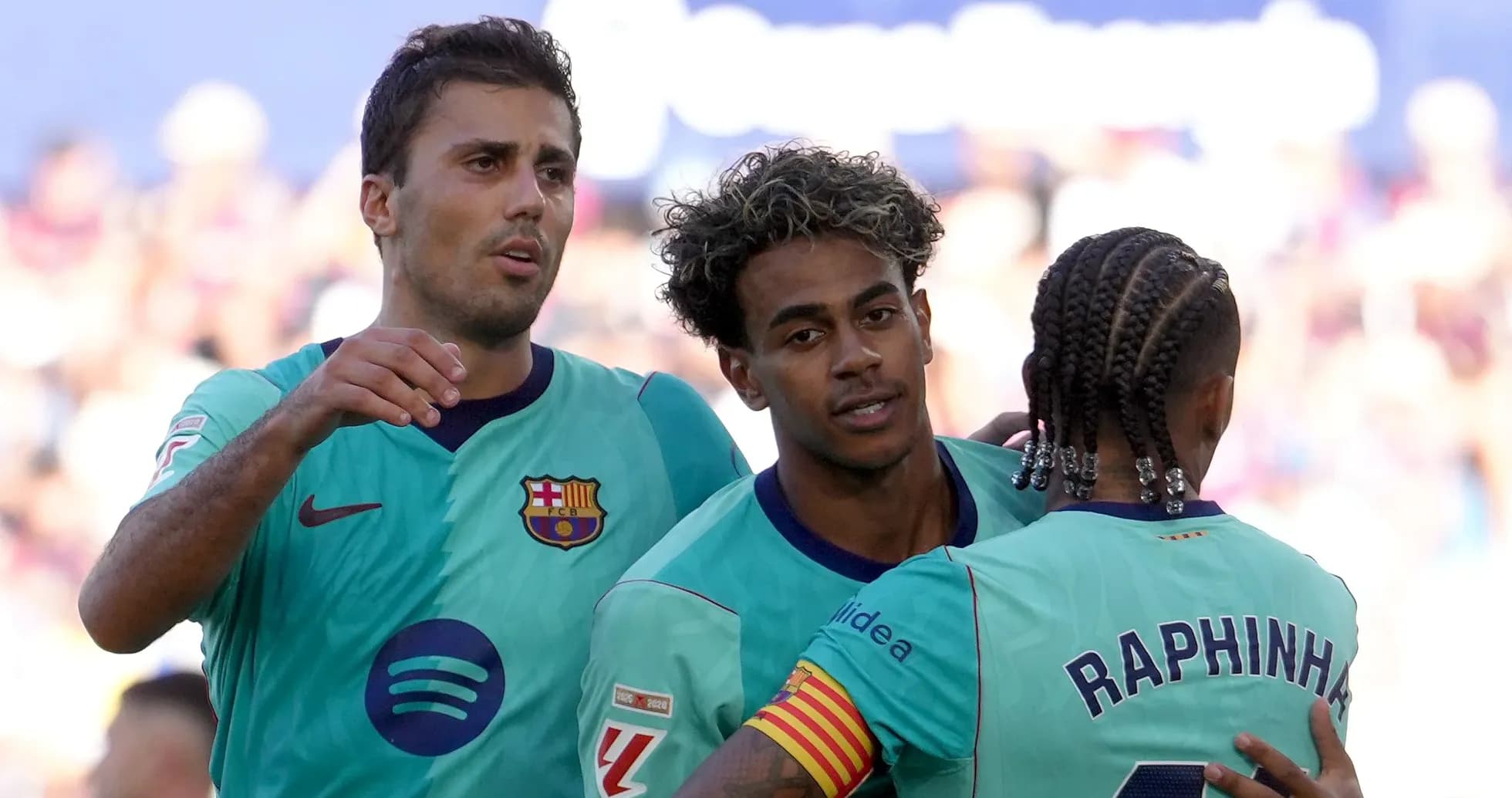
Hansi Flick has broken with tradition by hand-picking his two primary leaders. Raphinha and Pedri were appointed directly by the coach, a clear show of trust in the Brazilian’s fire and the midfielder’s calm authority. The remaining three armbands, though, stayed in the players’ hands. A dressing-room vote elevated Eric Garcia, Frenkie de Jong and Lamine Yamal.
That last name jolted plenty of observers. Yamal is 19. Rodri is a World Cup-winning captain.
The €76.5m signing from Manchester City arrived with heavyweight credentials, fresh from lifting the World Cup as Spain’s skipper. On paper, he looks like the archetypal leader. On Barcelona’s captaincy board, he is nowhere to be seen.
There is a reason. According to The Athletic, the internal vote leans heavily on club seniority, not on what a player has done elsewhere. Yamal, despite his age, is already in his third season around the first team. Rodri only walked through the Camp Nou doors in mid-August. In a dressing room that prizes institutional memory, that timing matters.
It has not stopped him leading.
Flick’s admiration surfaced quickly. After Rodri’s first start, against Valencia, the German coach did not bother to play down his importance. “We’re pleased to have Rodri in our team,” he told reporters. “You can also see everything he does with the ball, everything he does on the pitch. It makes sense. He gives the team structure in attack with the ball, but also without it.”
That structure is not just tactical. It is vocal.
During Barcelona’s 5-0 demolition of Valencia, television cameras picked up Rodri on the bench talking to Pau Cubarsi. His verdict on the opposition was blunt: “They’re really weak, they haven’t got past the halfway line.” A private assessment suddenly became public.
The reaction was telling. As soon as he realised the exchange had been broadcast, Rodri picked up the phone himself. He called Valencia captain Jose Gaya to apologise and later issued a public statement after Barcelona’s Champions League win over Feyenoord. No media coach, no PR filter – just an experienced midfielder recognising the weight of his words and fronting up.
Inside the club, nobody is waiting for an armband to anoint him.
Staff already view Rodri as a key guide for 19-year-old Marc Bernal, the latest defensive midfielder trying to grow into Barcelona’s demanding role at the base of midfield. The two have shared minutes in recent games, with Bernal coming on to partner the former City man in victories over Feyenoord and Levante. For a teenager learning elite positioning and tempo, there are few better on-pitch tutors.
This is the paradox of Barcelona’s leadership picture. The captaincy group reflects roots, not résumés. The armband is a symbol of years spent inside the club’s walls, of La Masia bonds and shared scars. Rodri, for all his status, has not yet built that history in Catalonia.
But inside a young, ambitious squad, his voice already carries like one of the loudest.
That voice will be needed. Barcelona are heading into a brutal stretch that will test their depth, their nerve and their new hierarchy. Over 12 days next month, Flick’s side must survive trips to Galatasaray, Real Betis and Paris Saint-Germain. Three hostile grounds, three different types of chaos.
Then comes the storm at Camp Nou.
El Clasico against Real Madrid on October 25 looms at the end of that run, a fixture that never arrives quietly and will carry an extra layer of meaning for Rodri. Madrid, under Jose Mourinho, pushed hard to sign him earlier in his career. He turned them down and chose Barcelona this summer instead.
He will not wear the armband when Real walk out in Catalonia. He may not need it to feel like the night belongs to him.