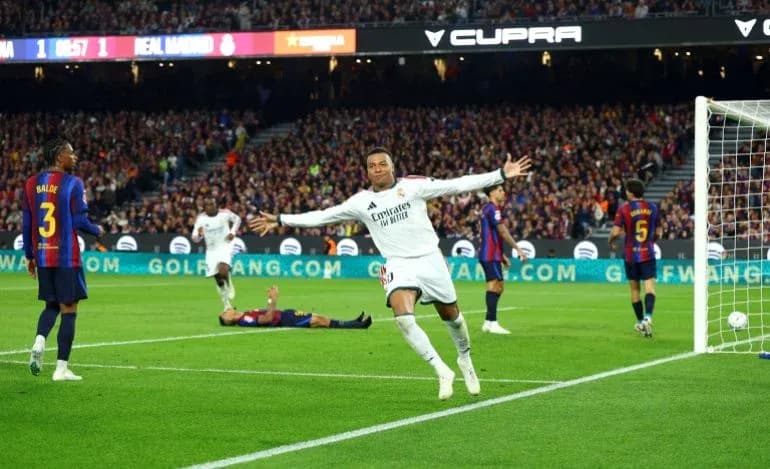
Barcelona vs Real Madrid: A Tactical Showdown in El Clásico
Under the Camp Nou lights, this clásico felt like a meeting of two fully formed identities rather than work‑in‑progress projects. Barcelona arrived as league leaders, 1st in La Liga with 27 points from 10 matches, their overall goal difference a spectacular +29 from 40 scored and 11 conceded. Real Madrid, 3rd with 24 points and a +15 goal difference from 25 for and 10 against, came in as the one side capable of matching that firepower with cold, ruthless control.
This was not a tactical sketch; it was two blueprints colliding. Barcelona’s season has been defined by relentlessness. Overall they average 4.0 goals for and 1.1 against, with 9 wins from 10 and no draws. At home they have been similarly expansive: 18 goals scored and 6 conceded across 5 league games, an average of 3.6 for and 1.2 against. Real Madrid, by contrast, have been more balanced but just as efficient: overall 2.5 goals for and 1.0 against per match, and on their travels 8 scored and 7 conceded in 5 games, an away average of 1.6 for and 1.4 against.
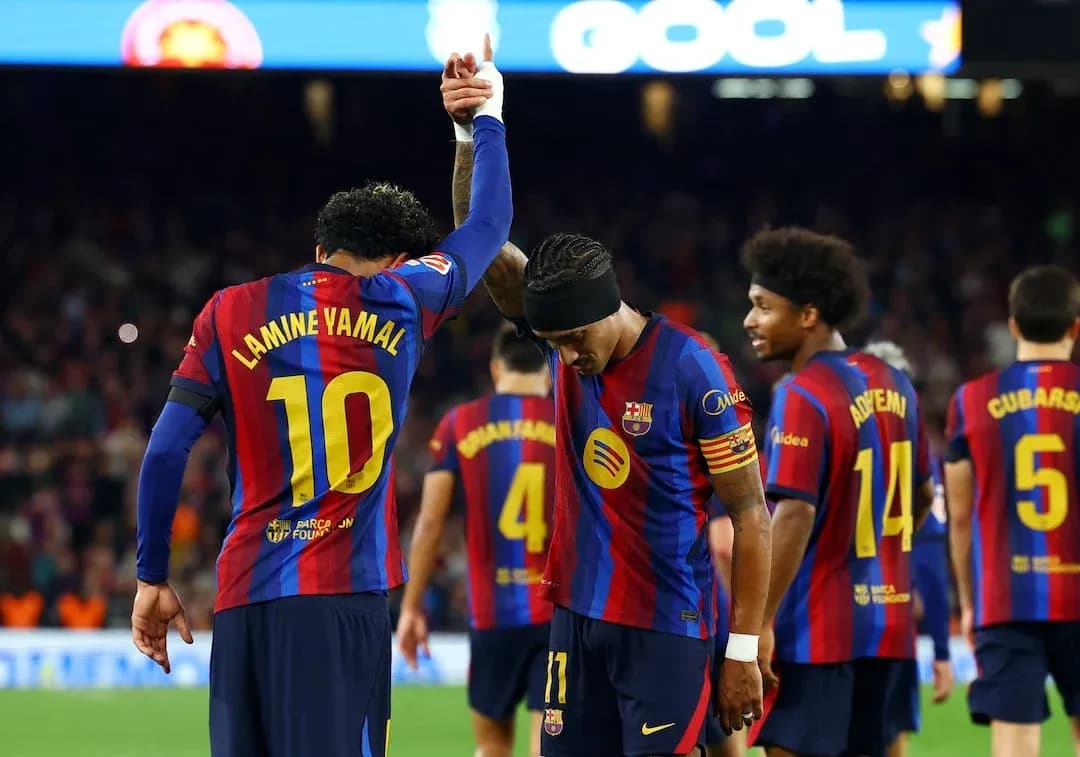
Into that statistical tension stepped two very different shapes. Hansi Flick’s Barcelona lined up in a 4‑3‑3 that has become their default (7 league uses), with J. Garcia behind a back four of J. Cancelo, G. Martin, P. Cubarsi and X. Espart. The midfield triangle of Pedri, Rodri and Fermin was built to dominate the ball and press high, while the front three of Lamine Yamal, Raphinha and A. Gordon offered a terrifying mix of goals, creation and vertical running.
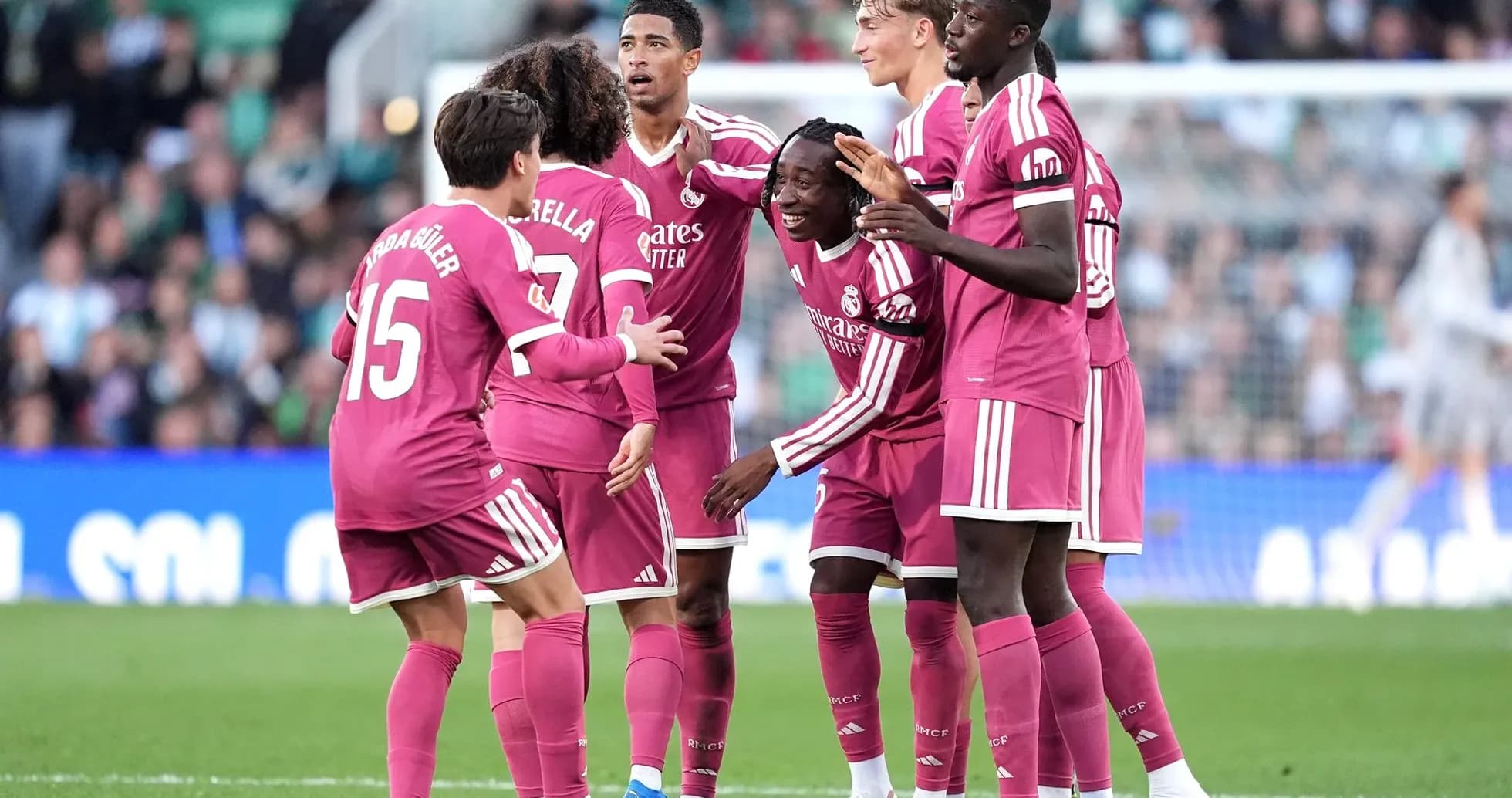
Jose Mourinho’s Real Madrid answered with a 4‑2‑3‑1 they have used in all 10 league matches. A. Lunin started in goal, shielded by a back line of F. Valverde, I. Konaté, D. Huijsen and M. Cucurella. In front, the double pivot of A. Tchouameni and B. Silva underpinned an advanced line of A. Guler, J. Bellingham and Y. Diomande behind K. Mbappe as the lone forward. On paper, it was a structure designed to soak pressure, then spring forward through Mbappe and Bellingham.
The tactical voids were glaring before a ball was kicked. Barcelona were stripped of defensive leadership and build‑up stability: A. Christensen, E. Garcia and J. Kounde all missed out through muscle or ankle injuries, while D. Olmo’s absence removed a flexible attacking midfielder who has supplied 3 league assists. R. Bardghji’s knee injury further narrowed Flick’s wide options. It forced heavy responsibility onto P. Cubarsi and G. Martin as the central pairing, and onto Pedri and Rodri to orchestrate from deeper zones.
Real Madrid had their own structural wounds. T. Courtois was out through illness, so Lunin’s distribution and command had to withstand Barcelona’s press. F. Mendy’s hip injury removed a natural defensive left‑back, pushing Cucurella into a critical role. Higher up, the loss of Rodrygo to a knee injury and Vinicius Junior to suspension after a red card stripped Mourinho of two of his most direct transition threats. Without Vinicius, who had already combined 1 goal, 3 assists and a heavy dribbling load, Madrid’s left‑side counterpunch had to be rebuilt around Mbappe drifting wide and Diomande’s running.
The disciplinary profiles of both sides hinted at how the duel might evolve. Barcelona’s yellow cards this season cluster in the 46‑60 minute window, with 46.67% of their cautions coming just after half-time. That suggests a team that ramps up aggression when the game restarts. Real Madrid, by contrast, spread their bookings more evenly, but have a notable late‑game spike: 22.73% of their yellows arrive in added time between 91‑105 minutes. Their red cards, too, are concentrated in the 46‑75 minute stretch, with dismissals in both the 46‑60 and 61‑75 ranges. Against a Barcelona side that rarely eases off, that volatility always threatened to become a storyline.
In the “Hunter vs Shield” duel, Raphinha and Mbappe arrived as the league’s two most dangerous finishers. Raphinha’s season – 13 goals and 3 assists in 9 appearances with an 8.49 average rating – has been a masterclass in efficiency: 25 shots, 17 on target, and 2 penalties won with 3 converted. Lining up on the right of the front three, he was always going to test Cucurella’s positioning and D. Huijsen’s ability to cover the channel.
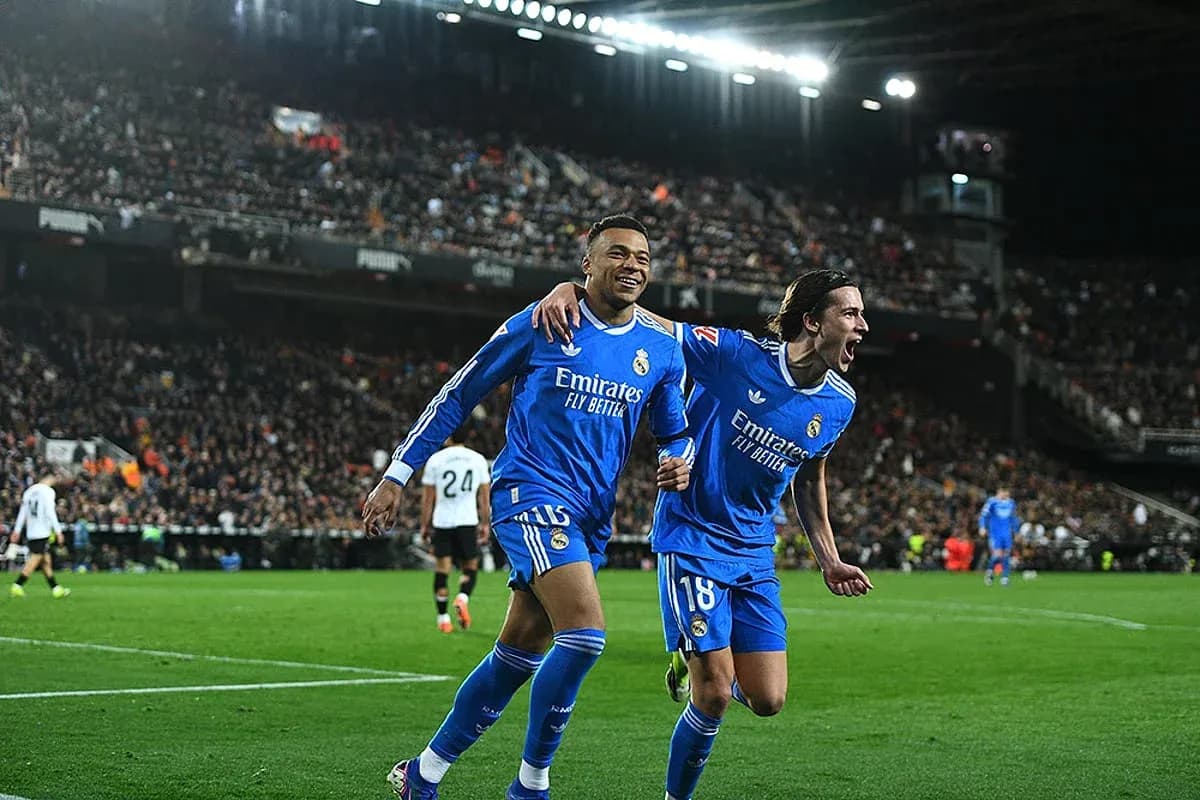
Mbappe, with 11 goals and 2 assists in 10 appearances, is Real Madrid’s spearhead and their release valve. His 41 shots, 29 on target, and 55 dribble attempts (32 successful) underline just how much of Madrid’s attacking volume he carries. His penalty record this season is imperfect – 1 scored and 1 missed – and that matters in a fixture where margins are microscopic. Against a makeshift Barcelona central pairing, his movement between P. Cubarsi and G. Martin was the primary away threat.
Around them, the creators circled. Lamine Yamal, top of the league for assists with 6 and already on 8 goals, offered Barcelona both width and incision. His 33 key passes and 67 dribble attempts (40 successful) make him the side’s most unpredictable outlet, and his duel numbers – 116 contested, 61 won – speak to a winger who relishes the physical side. On the opposite flank, A. Gordon’s 4 assists and 90% passing accuracy added a more understated but vital balance.
For Real Madrid, J. Bellingham is the engine room and the emotional barometer. With 3 goals, 3 assists, 19 key passes and 20 tackles, he bridges lines as both playmaker and enforcer. His 126 duels, 77 won, show a midfielder who imposes himself in both directions. In this clásico, his task was double: disrupt Barcelona’s interior trio and connect quickly with Mbappe and A. Guler in transition.
Behind them, the “Shield” was personified by I. Konaté. His season has been defined by aggression: 15 tackles, 6 blocked shots and 4 yellow cards in 9 appearances. Up against Raphinha’s runs in behind and Lamine’s rotations inside, his timing in stepping out of the line was always going to be decisive – and always at risk of tipping into bookings.
Statistically, the match tilted towards goals. Barcelona’s overall scoring average of 4.0, combined with Real Madrid’s late scoring surge – 34.78% of their league goals arrive between 76‑90 minutes – set the stage for an open, high‑tempo contest that rarely settles early. Defensively, Madrid’s concession pattern is revealing: 25.00% of their goals against come in the 16‑30 minute window, another 25.00% between 46‑60, and a further 25.00% late on. Those phases align almost perfectly with Barcelona’s historical card and intensity spikes after half-time.
Layered on top of that is Barcelona’s imperfect relationship with penalties this season: 5 awarded, 4 scored, 1 missed. Real Madrid mirror that fragility with 3 penalties, 2 scored and 1 missed. In a clásico decided by inches, neither side could claim absolute reliability from the spot.
Put together, the numbers and the lineups painted a clear tactical prognosis. Barcelona, with their 4‑3‑3 and avalanche of attacking form, were always likely to dictate territory and volume, especially at home where they have already scored 18 league goals. Real Madrid, structured in a 4‑2‑3‑1 and stripped of Vinicius and Rodrygo, were more dependent than ever on Mbappe’s explosiveness and Bellingham’s all‑court influence to turn fewer chances into decisive moments.
In the end, a 2‑1 away win to Real Madrid at Camp Nou confirmed that their defensive steel and transition precision could survive even the most hostile of environments. Following this result, the story of the season’s first clásico is not just that the visitors found a way; it is that, statistically and tactically, they walked into the lion’s den, absorbed the full weight of Barcelona’s attacking identity, and still emerged with the points.