Barcelona's Summer Rebuild: The Search for a Number Nine
Barcelona’s summer rebuild has been bold, expensive and, in one key area, incomplete.
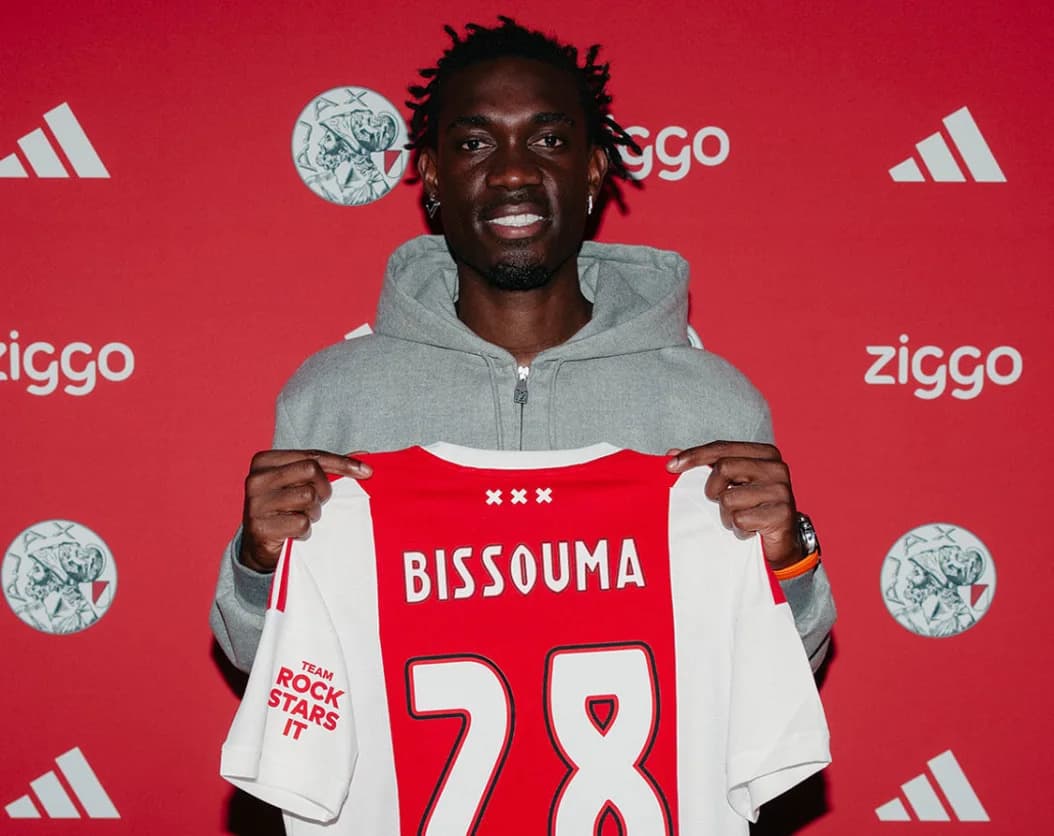
They have stacked almost every line with fresh talent. The middle of the pitch, already crowded with technicians, now includes a Ballon d'Or winner and World Cup‑winning captain in Rodri, signed from Manchester City to anchor and elevate Hansi Flick’s system. Out wide, they have injected raw speed and directness with Anthony Gordon and Karim Adeyemi, and quietly tucked away an 18-year-old project in Belgian winger Jesse Bisiwu.
On paper, it looks like a champion’s refresh.
Look closer and there is a glaring hole.
A giant number nine‑shaped gap
Barcelona head into their opening La Liga fixture away to Elche on Sunday, 23 August, without a recognised senior striker. Unless something changes before the window shuts on 1 September, the Spanish champions could attempt to defend their title without a traditional number nine.
That was never the plan.
Robert Lewandowski, 37, walked away at the end of last season, joining Chicago Fire in Major League Soccer when his contract expired. His departure alone would have been significant. Ferran Torres then followed him out of the door, sold to Paris St‑Germain for about 50m euros (£42.7m) after a season in which he scored 21 goals in 49 appearances and frequently filled in as the central option when Lewandowski was absent or rotated.
Between them, Barcelona lost their established reference points in the box. What remains is a forward unit full of talent, but no natural focal striker.
The club’s hierarchy have been clear about how they want to solve it: Julian Alvarez.
The Alvarez dilemma
Barcelona’s preferred solution is to prise Julian Alvarez away from Atletico Madrid. The 26-year-old Argentina international, who spoke during the World Cup about seeking a move, fits the profile they crave – a mobile striker who can press, combine and still finish like a classic nine.
The problem is Atletico know exactly what they have.
Interest from Real Madrid only hardened their stance. Chief executive Miguel Angel Gil Marin drew a line in the sand, insisting the club would not sell Alvarez, not even for 200m euros (£170.8m). It was a statement aimed at Madrid and Barcelona alike: this striker is off the market.
So Flick, who has publicly acknowledged the issue, must plan with what he has while the board tests that resolve.
“We know we have to do something,” the German said this month, before immediately pointing to the solutions already in-house.
Lamine Yamal at the centre of it all
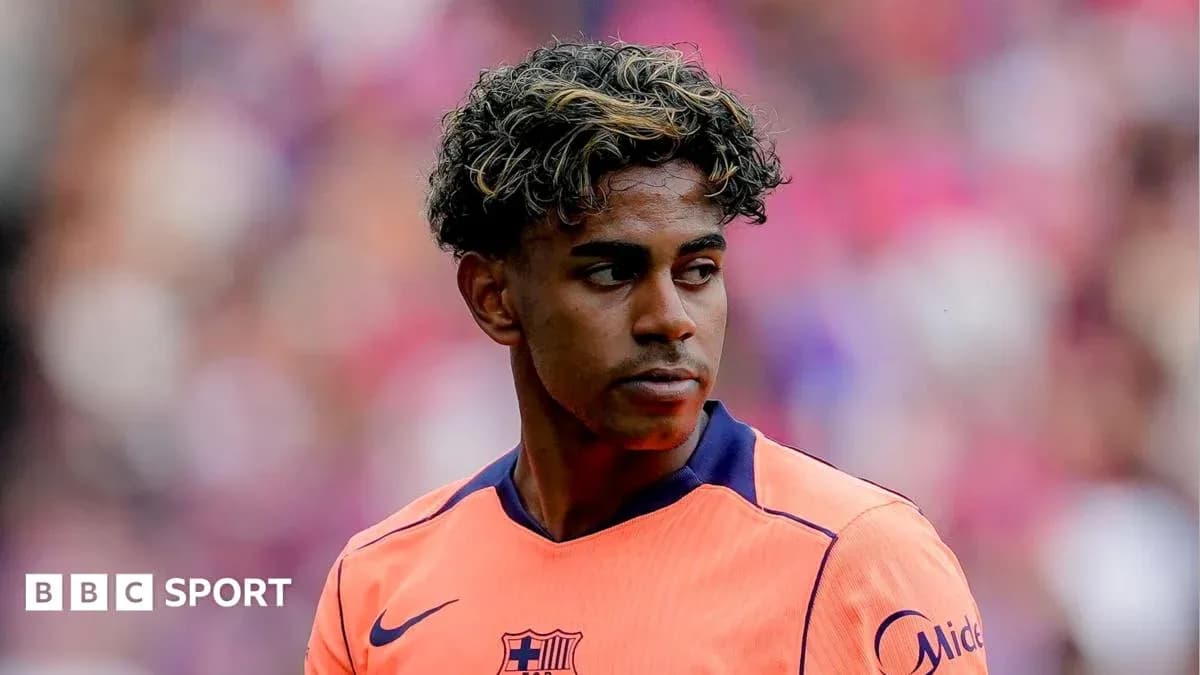
Any conversation about Barcelona’s attack now starts with Lamine Yamal.
Still a teenager, he has already become the team’s attacking focal point and is coming off a season in which he scored 24 goals and lifted the World Cup with Spain. Those numbers alone would justify building an attack around him.
Yet his real weapon is not just goals. It is the way he can isolate a full-back on the right, pause, shift, and then cut inside to manufacture chances from situations that look dead. One moment of deception, one change of pace, and a defence that seemed settled is suddenly scrambling.
Flick’s preference is clear: he wants Lamine Yamal starting from that right flank, not permanently stationed between centre-backs. The false nine role is an option, not the ideal.
That is where the puzzle starts to get interesting.
Flick’s fluid front line
Within the squad, Flick has multiple players who can slide into the middle without being orthodox strikers.
Lamine Yamal can operate as a false nine when required. Dani Olmo has the intelligence and movement to do the same, dropping off the line to overload midfield and drag markers out of position. Raphinha has also been used centrally by Flick, offering a more direct, shot-heavy interpretation of the role.
Then there is Fermin Lopez, who has said he is comfortable playing as a false nine and gives another energetic option in advanced zones.
Around them, Gordon and Adeyemi bring something different: raw pace, aggressive running, and a willingness to attack space behind defences. Neither, though, is a conventional number nine who lives between the posts and thrives on crosses and cut-backs.
One route is obvious. Barcelona can lean into the chaos.
They could line up with a completely fluid front line, with players constantly rotating positions, dropping wide, coming short, and attacking depth in waves rather than anchoring one striker between opposition centre-backs. For defenders, that is a nightmare – no fixed reference point, no clear mark, only moving targets and late runners.
On their best days, that kind of system would make Barcelona almost impossible to pin down.
The missing piece
Yet for all the tactical creativity, there is no escaping the underlying truth inside the club: the preferred option is still to recruit a specialised striker who fits the profile and finishes the chances this revamped side will create.
Rodri has given Flick a general in midfield. Gordon, Adeyemi and Bisiwu have stretched the pitch and lowered the average age of the attack. Lamine Yamal has the star power and numbers of a player ready to define an era.
What Barcelona do not yet have is the player to stand at the tip of it all, to turn dominance into something more tangible when the season tightens and margins shrink.
The window closes on 1 September. Between now and then, the question hangs over the champions: will this be the year Barcelona bet everything on fluidity, or will a true number nine walk through the door at the last moment and change the shape of their season?