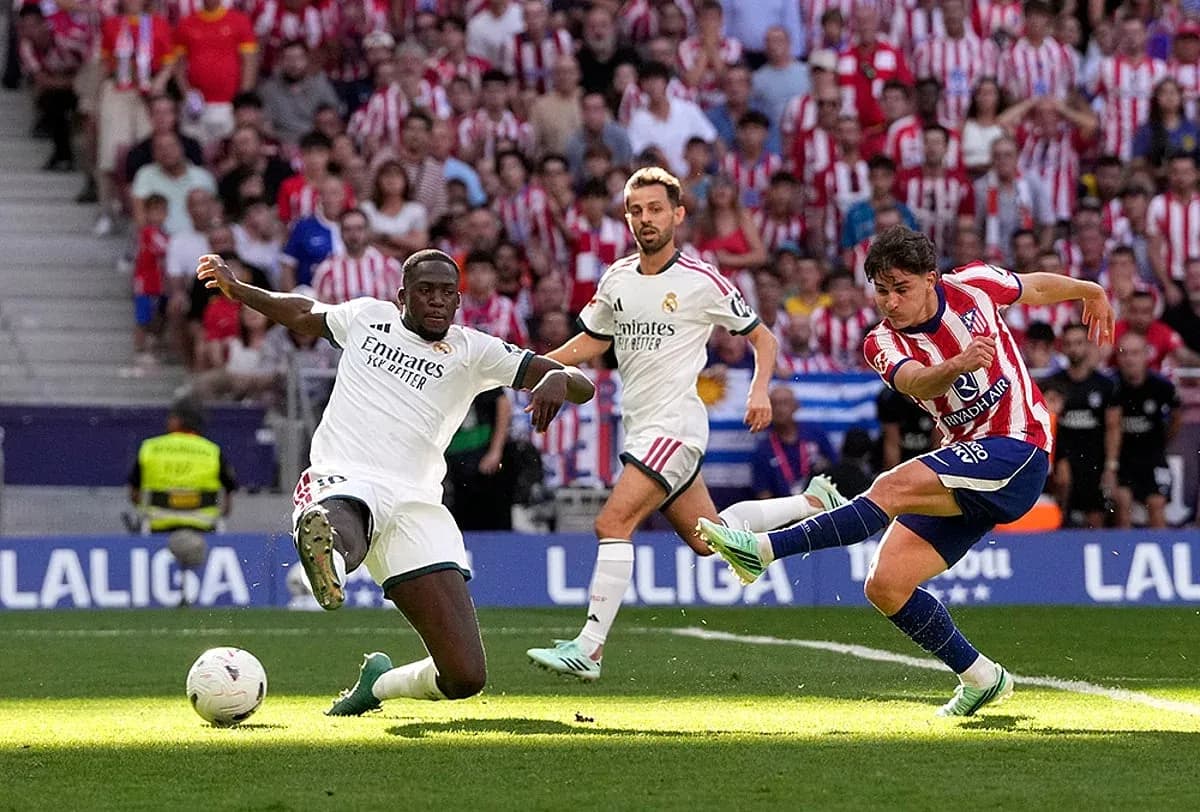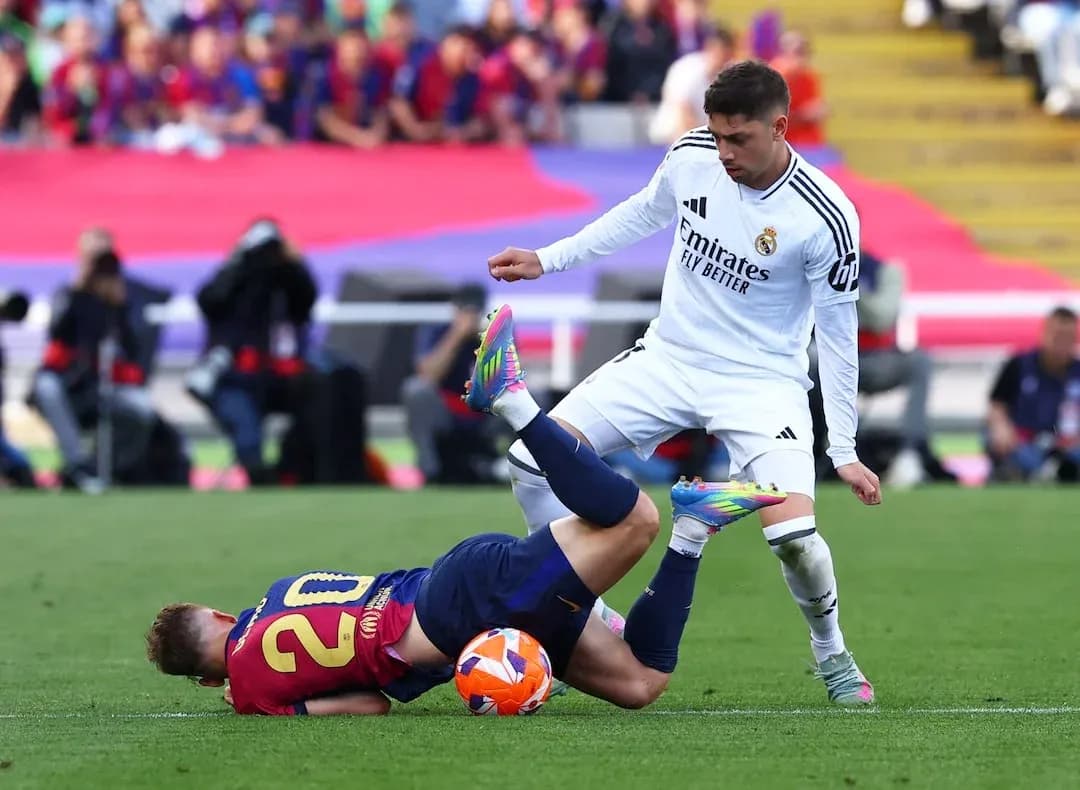
Barcelona vs Real Madrid: La Liga Title Decider on 10 May 2026
Camp Nou stages the defining chapter of the La Liga title race on 10 May 2026, as leaders Barcelona host second‑placed Real Madrid in a clásico that is as much about the present table as it is about decades of rivalry. With Barcelona 11 points clear at the top and four games left, a home win would all but seal the championship; a Madrid victory would keep the door just ajar.
Context: Barcelona’s perfection at home vs Madrid’s last stand
In the league, Barcelona arrive as a machine: 29 wins from 34, just one draw, and an imposing +58 goal difference. At Camp Nou, their record is flawless — 17 wins from 17, 52 goals scored and only 9 conceded. Their recent league form reads “WWWWW”, underlining momentum and confidence.
Real Madrid, second on 77 points, are having an excellent season by any normal standard: 24 wins, 5 draws, 5 defeats, 70 goals scored and 31 conceded. Away from the Bernabéu, they have taken 34 points from 17 games (10 wins, 4 draws, 3 defeats), with a solid 31-17 goal record. Their recent league form (“WDWDL”) is good but not relentless, and that slight wobble is what has allowed Barcelona to pull clear.
This clásico is not a cup tie, but the stakes feel knockout‑like: Barcelona can almost mathematically close the title; Madrid must win to sustain any realistic hope.
Tactical landscape: structures, styles and key match‑ups
Barcelona: 4‑2‑3‑1 as the base
Barcelona’s season data shows a clear preference for a 4‑2‑3‑1 (24 league games) with 4‑3‑3 as the alternative (10 games). Both systems are aggressive, possession‑oriented and high‑pressing, but the 4‑2‑3‑1 has been the backbone of their perfect home record.
- Attacking profile:
- 89 league goals in total, averaging 3.1 per home game.
- No home league defeats, no home draws, and crucially, no league match in which they failed to score (0 “failed to score” overall).
- Their biggest home win is 6-0, and they have scored as many as 6 at home and 5 away, underlining their capacity to overwhelm.
The creative and scoring burden is shared among a high‑end attacking unit:
- Lamine Yamal (16 goals, 11 assists in the league) is the standout all‑rounder. From a nominal wide or attacking midfield role, his 72 key passes and 244 dribble attempts (135 successful) make him the primary ball‑progressor and chance creator. He will look to isolate Madrid’s full‑backs, drive inside, and combine with the central striker.
- Ferran Torres (15 goals) offers vertical runs and penalty‑box presence from wide or as a secondary striker. His 34 shots on target from 54 attempts show efficiency and a willingness to attack the box early.
- Robert Lewandowski (13 goals) remains a penalty‑area reference, even with reduced minutes and only 14 league starts. His movement between centre‑backs and his link play (12 key passes) are vital when Barcelona camp around the Madrid box.
- Raphinha (11 goals, 3 assists) adds another direct, high‑volume threat from wide areas, with 41 key passes and 39 dribbles attempted (20 successful).
With such a spread of scorers, Barcelona can attack in waves. The double pivot in the 4‑2‑3‑1 will be tasked with both screening transitions and recycling possession quickly to keep Madrid pinned back.
Defensively, Barcelona’s home record — only 9 conceded in 17 — points to a high line that is usually well protected. They have 9 home clean sheets and 14 overall. The risk, however, is obvious against Real Madrid’s pace: any mis‑timed press or turnover in midfield can expose space behind.
Real Madrid: flexible 4‑4‑2 and transition menace
Real Madrid’s tactical identity this season has been flexibility. They have used:
- 4‑4‑2 in 16 games (their most common shape),
- 4‑2‑3‑1 in 8 games,
- 4‑3‑3 in 6 games,
- plus occasional three‑at‑the‑back variations.
In a hostile Camp Nou, a 4‑4‑2 that can morph into 4‑2‑3‑1 in possession looks likely, prioritising compactness and fast breaks.
Key attacking figures:
- Kylian Mbappé is La Liga’s top scorer with 24 goals and 4 assists. His 100 shots (61 on target) and 140 dribble attempts (76 successful) underline his dual threat as a shooter and ball‑carrier. He is Madrid’s main outlet in transition, particularly into the left half‑space or central channels behind Barcelona’s high line.
- Vinícius Júnior (15 goals, 5 assists) complements Mbappé with relentless dribbling (186 attempts, 85 successful) and 78 fouls drawn. His ability to win one‑v‑ones and force yellow cards will be crucial against Barcelona’s full‑backs.
- Both Mbappé and Vinícius have each won 4 penalties this season, making them constant danger inside the box. Individually, Mbappé has scored 8 penalties and missed 1; Vinícius has scored 4 and missed 1.
Madrid’s attack averages 2.1 goals per league game, with 1.8 away, and they have only failed to score in 3 league matches all season. They are built to hurt teams that commit numbers forward, which fits the clásico context.
Defensively, Madrid have conceded 31 league goals (0.9 per game), almost identical to Barcelona overall, with 17 conceded away. They have 7 away clean sheets and 12 in total. Their biggest away defeat (5-2) shows that when their structure breaks, it can break badly — something Barcelona’s multi‑pronged attack is capable of exploiting.
Head‑to‑head: recent history
Looking at the last five competitive meetings (no friendlies):
- 11 January 2026, Super Cup Final (King Abdullah Sports City, Jeddah): Barcelona vs Real Madrid 3-2 – Barcelona won.
- 26 October 2025, La Liga (Estadio Santiago Bernabéu, Madrid): Real Madrid vs Barcelona 2-1 – Real Madrid won.
- 11 May 2025, La Liga (Estadi Olímpic Lluís Companys, Barcelona): Barcelona vs Real Madrid 4-3 – Barcelona won.
- 26 April 2025, Copa del Rey Final (Estadio Olímpico de Sevilla, Sevilla): Barcelona vs Real Madrid 3-2 after extra time (2-2 in 90 minutes) – Barcelona won.
- 12 January 2025, Super Cup Final (King Abdullah Sports City, Jeddah): Real Madrid vs Barcelona 2-5 – Barcelona won.
Across these five competitive fixtures, Barcelona have 4 wins, Real Madrid 1 win, and there have been 0 draws. Every one of those matches produced at least 4 goals, reinforcing the expectation of another high‑scoring contest, even though we lack explicit under/over tables.
Discipline, pressure and small margins
Both sides have shown a tendency to pick up cards in the later phases of matches. Barcelona’s yellow cards peak between 46-60 and 76-90 minutes, while Madrid’s are concentrated between 31-45 and 61-75. The intensity of a title‑deciding clásico at Camp Nou suggests that late‑game bookings — and possibly reds, given Madrid’s five red cards across different time ranges and Barcelona’s two in added time — could shape the closing stages.
From the spot, both teams are extremely reliable at team level this season, with Barcelona scoring 7 of 7 league penalties and Real Madrid 12 of 12. Individual records, though, show that Lewandowski has scored 1 and missed 2, while Mbappé and Vinícius have each missed once. If a penalty is awarded, the taker choice and psychological weight could be significant.
There are no confirmed absences or doubtful players in the data, so both managers can, in theory, lean on their full arsenal of stars.
The verdict
All the numbers point to a heavyweight, high‑tempo, attacking clásico.
- Barcelona are perfect at home in the league, scoring heavily and defending with authority.
- Real Madrid are one of the few teams equipped with enough individual brilliance in transition — via Mbappé and Vinícius — to genuinely threaten that perfection.
- Recent head‑to‑head data tilts clearly towards Barcelona, especially in finals and big‑stage encounters, though Madrid did win the last league meeting at the Bernabéu.
Given Barcelona’s immaculate 17‑0‑0 home record, their extraordinary attacking spread, and the psychological edge of four wins in the last five competitive clásicos, the logical expectation is that the league leaders avoid defeat and probably edge another high‑scoring game.
Real Madrid have the firepower to score and make it tense, but on 10 May 2026 at Camp Nou, the data suggests Barcelona are better placed to turn this clásico into a near‑definitive step towards the title.