Bellingham's Impact on England's Midfield Strategy
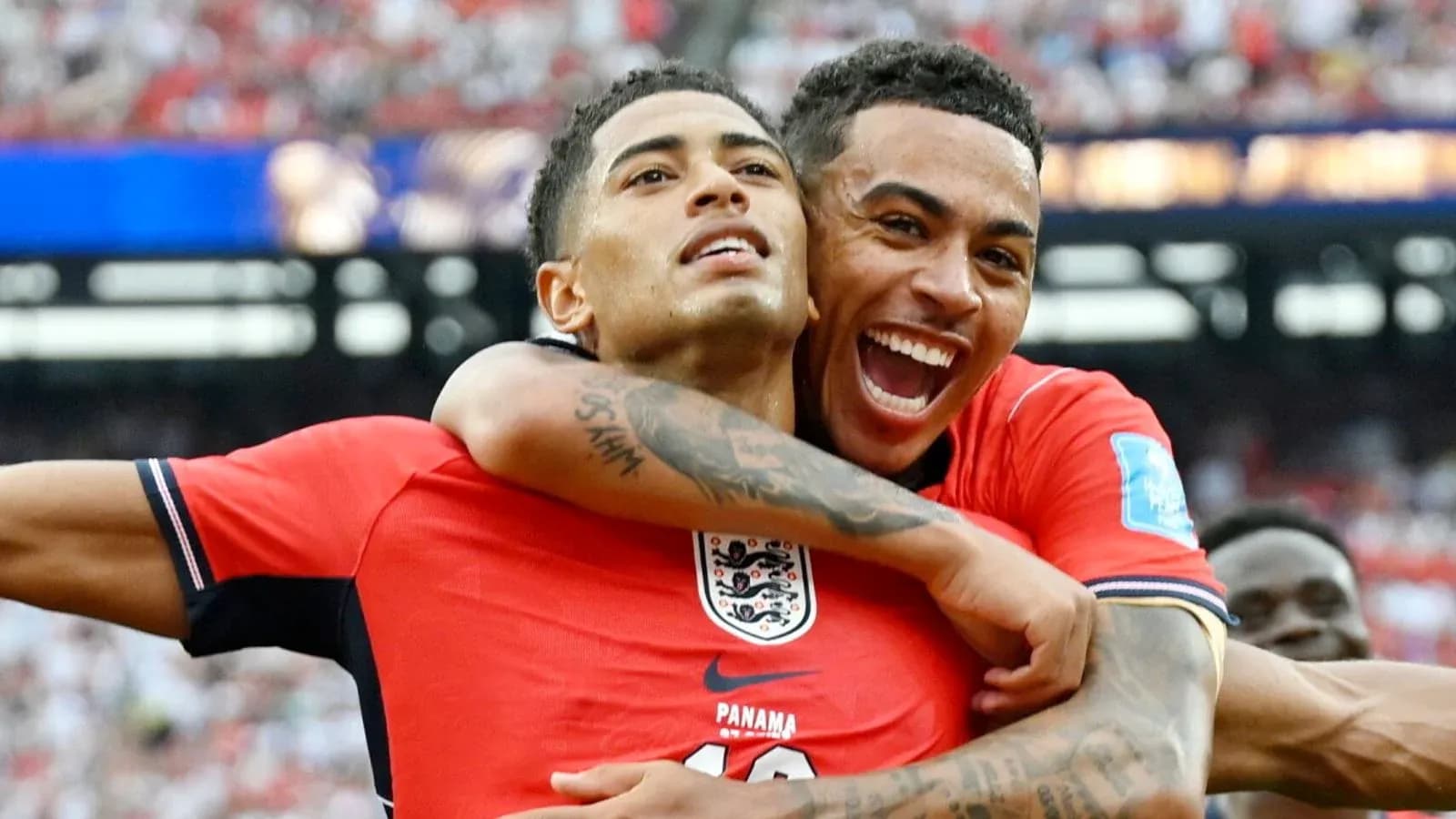
Thomas Tuchel walked away from England’s 2-0 win over Panama with the result he wanted and a fresh problem he didn’t: Jude Blingham has just blown up his midfield plan.
The 21-year-old started deeper, alongside Elliot Anderson, and ran the game. A goal, an assist, and that familiar storm of tackles, drives and touches that drag a team up the pitch. It was the kind of performance that forces a manager to rethink what he thought was non-negotiable.
And for Tuchel, one thing has always felt non-negotiable: Declan Rice plays.
Bellingham’s deeper masterclass – in Rice’s territory
This is the crux of Paul Merson’s argument. Bellingham excelled in the very zone Rice usually owns.
From deeper, Bellingham was harder to track, harder to cage. He arrived rather than waited. Panama couldn’t get a grip of him, and once he started running beyond their midfield line, they were done.
That contrast with the Ghana game is stark. There, Bellingham operated higher, closer to the No 10 pocket, and the game almost passed him by. Ghana sat deep, blocked the central lanes and left him showing for passes that never came. Morgan Rogers, in the No 10 role against Panama, suffered a similar fate. He barely had a meaningful touch. The space between the lines was crowded, suffocating.
From deeper, the picture changes. A midfielder can surge past markers, arrive late, and force defenders to turn. Bellingham did exactly that. So Tuchel now stares at the whiteboard and asks himself a simple but brutal question: how do you fit Rice and Bellingham into the same midfield without losing the man between the lines?
Rice, in Merson’s eyes, still starts. Especially when the opposition gets stronger. “When we come up against the bigger teams, you’ll need Rice” is the logic. His screening, his positioning, his calm in transition – they are still seen as essential.
Pairing Rice and Bellingham is the obvious answer. But that’s where the knock-on effects begin.
The No 10 problem
If Rice and Bellingham both start, who plays as the No 10 – and, just as important, how do England actually get the ball into that player?
Rogers struggled badly there against Panama. Bellingham, used in that role against Ghana, didn’t influence the game as expected. The area is too crowded, the passes too cautious, the angles too tight. England are still working out how to feed their creators in dangerous positions rather than leaving them starved between two banks of defenders.
Merson’s point is blunt: England must solve the supply line to the No 8s and No 10. Bellingham, like the greats, demands the ball. He plays with the hunger of a schoolkid desperate to be involved in every move, a throwback to Wayne Rooney’s all-action youth. He shows, he moves, he shows again.
Argentina give Lionel Messi the ball at every opportunity, even in tight spaces. England, Merson argues, must grow the same instinct with Bellingham. Not because he is Messi, but because he has the bravery and quality to handle those situations. If he’s free, find him. If he’s marked, trust him anyway.
DR Congo will not make that easy. They are expected to sit deep, to pack the final third with bodies, just as Ghana did. If Tuchel pushes Bellingham back up to No 10 for the last-32 tie, he risks placing his most dynamic midfielder into the most congested patch of grass on the pitch.
Wingers stuck at six out of ten
Out wide, England’s story is similar: lots of promise, little end product.
Against Panama, Marcus Rashford saw plenty of the ball in the first half but rarely hurt his full-back. He got the start so many had called for ahead of Anthony Gordon, but never truly justified it. The runs were there, the touches were there, the final action wasn’t.
On the other flank, Bukayo Saka looks short of his usual spark. Whether it’s a niggle or just form, nobody on the outside truly knows. What Merson is sure about is this: Saka still has to play. In the biggest games, you want him on the pitch. His decision-making, his work rate, his knack of appearing in the right place – they remain too valuable to discard.
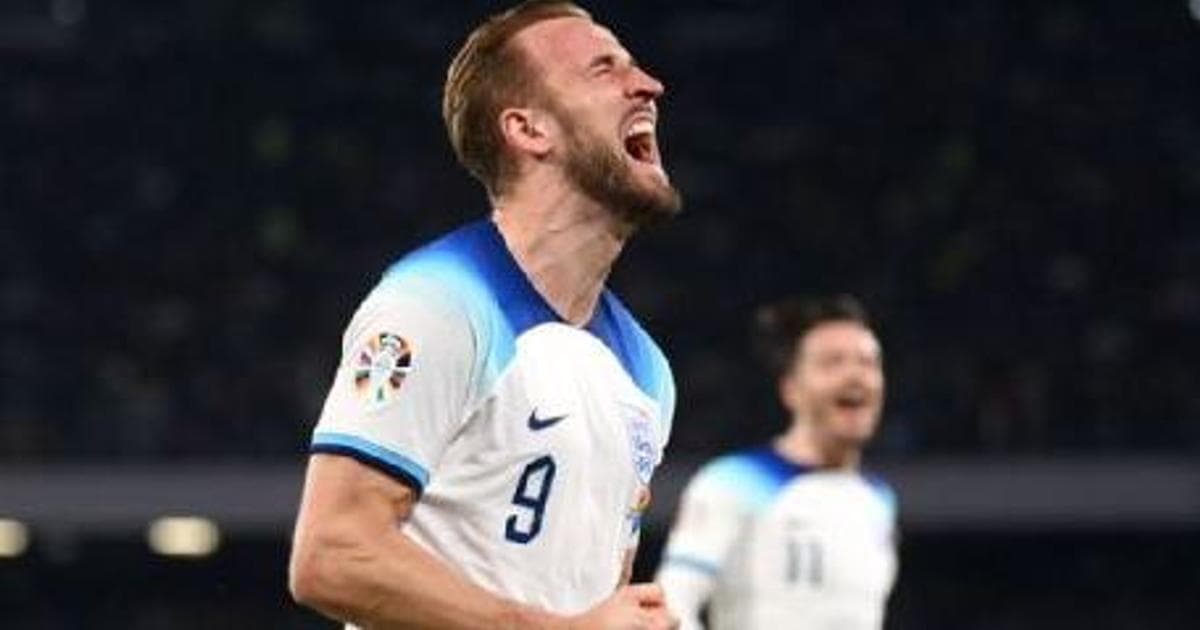
The wider picture, though, is oddly encouraging. None of England’s four wingers have really caught fire yet. They’ve been six out of ten, nothing more. If even one or two of them jump to eight or nine as the knockouts unfold, England suddenly gain match-winners from the flanks to go with Harry Kane and Bellingham.
Tuchel will be hoping that lift comes now. Because the margins tighten from here.
England still searching for their top gear
Merson puts England’s group-stage body of work at about seven out of ten. They did what they had to do against Croatia, Ghana and Panama. No more, no less.
There have been reality checks. Ghana exposed their difficulty in breaking down a deep block. Panama, despite the scoreline, offered another reminder that England can still be rushed, still be dragged into messy spells where the ball moves too slowly or too safely.
Yet the tournament really starts now. You don’t need to be at your absolute peak in the group. You do need to show a clear upward curve once the knockout football begins. That, for Merson, is the next test: can England build, game by game, rather than hoping to flick a switch when the opposition improves?
The field is wide open. France look devastating going forward. Spain control matches but tend to leave opponents alive. Colombia impressed Merson with their pace, energy and familiarity with the conditions. Almost every contender has players who can win a match on their own.
England are in that group. Kane has his goals. The defence held firm against Ghana. Bellingham took centre stage against Panama. They are not leaning on one saviour.
But they will have to get better. They will have to solve the midfield jigsaw, find a way to feed their No 10, and drag more from their wingers.
DR Congo is the next step on that road. The question is no longer whether England have a chance at this World Cup.
It’s whether they can finally reproduce that level they showed against Croatia – and keep it there when it matters most.