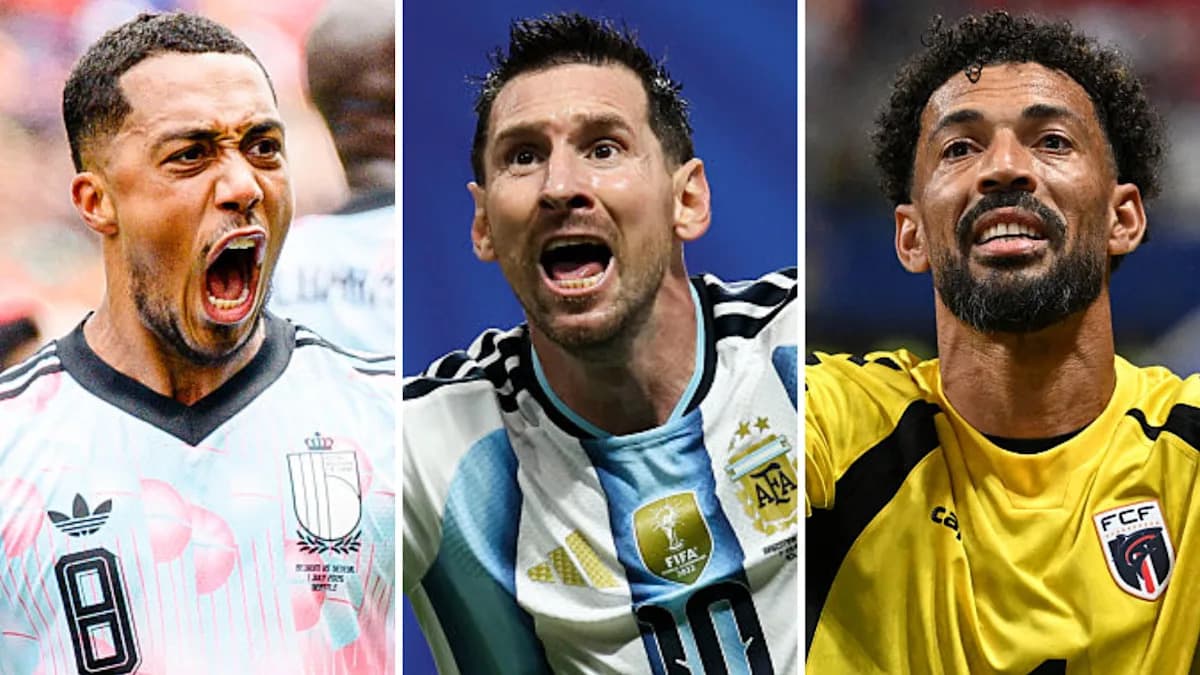
Record-Breaking World Cup: Is This the Greatest Tournament Yet?
The World Cup has delivered a summer packed with unforgettable moments: spectacular goals, intense comebacks, and shock results. With the quarter-finals about to begin, only eight matches remain in this historic tournament hosted across Canada, Mexico, and the United States.
This edition marks the first time 48 nations have competed, making it the largest World Cup ever staged. But does that translate to being the best?
A High-Scoring Celebration of Football
Judging by statistics alone, this World Cup stands out. Out of 104 matches, 280 goals have been scored, averaging nearly 2.92 goals per game. That’s the highest average since 1970 in Mexico, which saw 95 goals in 32 games (2.97 per match).
For comparison, Qatar 2022 had 2.69 goals per game, Russia 2018 recorded 2.64, Brazil 2014 had 2.67, and South Africa 2010 saw just 2.27. Germany’s overwhelming 7-1 victory over Curacao was the highest-scoring single match, but multiple games featured five or six goals, keeping fans on edge.
Another sign of attacking play is the fact that nearly three-quarters (74.6%) of goals came from open play—the highest proportion ever recorded at a World Cup—while only 5% resulted from penalties, the lowest percentage on record.
Thrilling Finishes and Historic Comebacks
The tournament has been defined by late drama. Eight knockout games featured winning goals after the 85th minute. Argentina needed extra time to edge past underdog Cape Verde, and four knockout matches went to penalty shootouts. Enzo Fernandez’s goal against Egypt marked the 10th time a 90th-minute winner has been scored, setting a new World Cup record.
July has already produced at least three classic matches where Belgium, Argentina, and England each won 3-2. Both Belgium and Argentina overturned two-goal deficits late in the game—the first time multiple teams have done so in one World Cup since 1970. England’s victory against Mexico came despite playing 40 minutes with 10 men after Jarell Quansah was sent off, with the match held at the iconic Azteca Stadium.
Interestingly, there have also been eight goalless draws, a record for this competition. Maybe these scoreless matches reveal how closely matched teams have become rather than indicating dullness.
Fans and Stars Fill the Stands and Pitch
Concerns about ticket prices and long travel distances sparked fears of empty seats and subdued atmospheres. But those worries proved unfounded. FIFA reports that 99.7% of tickets were sold, drawing more than 4.4 million spectators during the group stages and reaching 6.2 million after the early knockout rounds.
Average attendance has been just over 65,000 per match, second only to the 1994 USA World Cup, which averaged nearly 69,000.
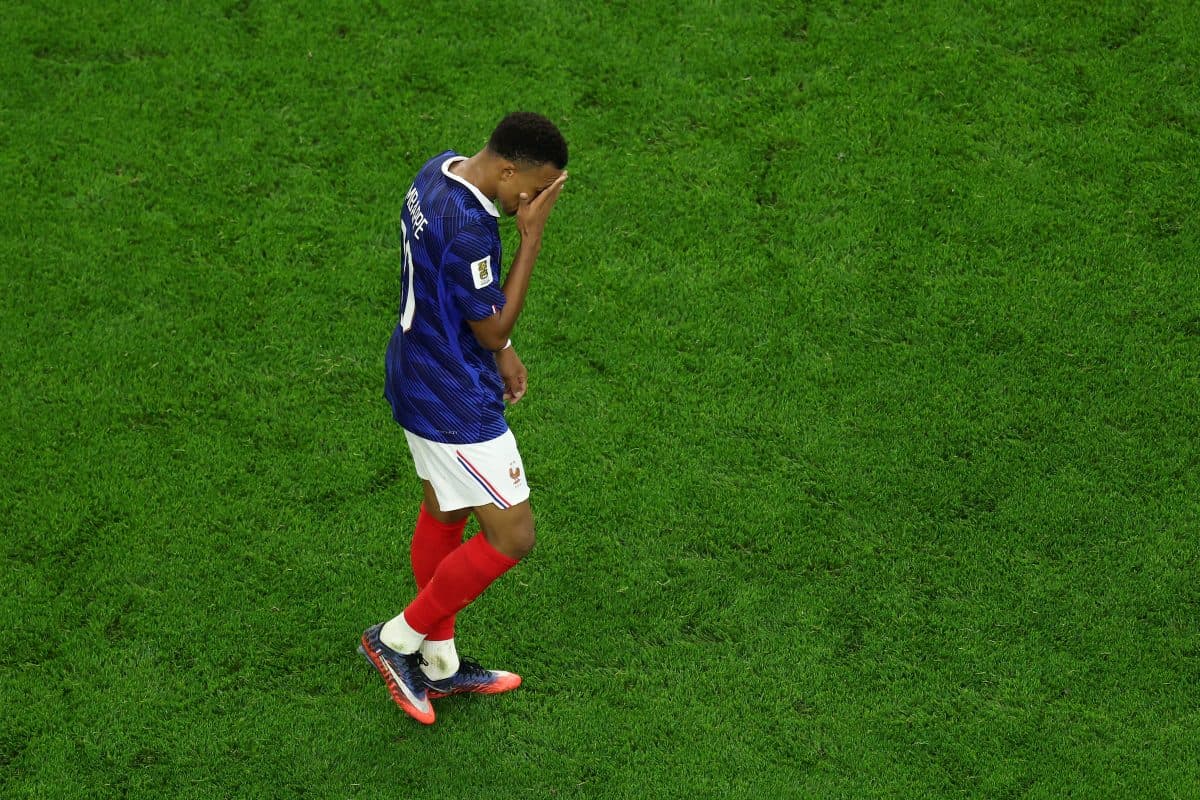
Top players have risen to the occasion as well. The Golden Boot race features four stars at the peak of their powers. Argentina's Lionel Messi leads with eight goals, followed by France's Kylian Mbappe and Norway's Erling Haaland with seven each, and England's Harry Kane on six. It's the first time three players have scored seven or more goals in a single tournament.
Despite the large field, some underdogs have shone. Curacao, the smallest nation at the World Cup, bounced back from a heavy loss to Germany with a draw against Ecuador. Qatar experienced both extremes, losing 6-0 to Canada but earning a draw with Switzerland, a quarter-finalist.
Cape Verde stunned many, with 40-year-old goalkeeper Vozinha leading a team that drew with Spain, Uruguay, and Saudi Arabia, reaching the last 32 before falling to Argentina in extra time. It’s one of the most remarkable underdog stories ever seen.
Controversies and Challenges Off the Field
High costs for tickets, accommodation, and travel stretched many fans’ budgets unlike any previous World Cup. Hydration breaks, accepted during extreme heat, faced backlash when used in rain or air-conditioned stadiums.
The tournament’s length, running from June 11 to July 19, means matches have been played almost daily, raising questions about player welfare, especially with the Premier League starting shortly after the final.
Critics have questioned refereeing standards and noted that only 16 of 48 teams were eliminated after the group stage, reducing early tension.
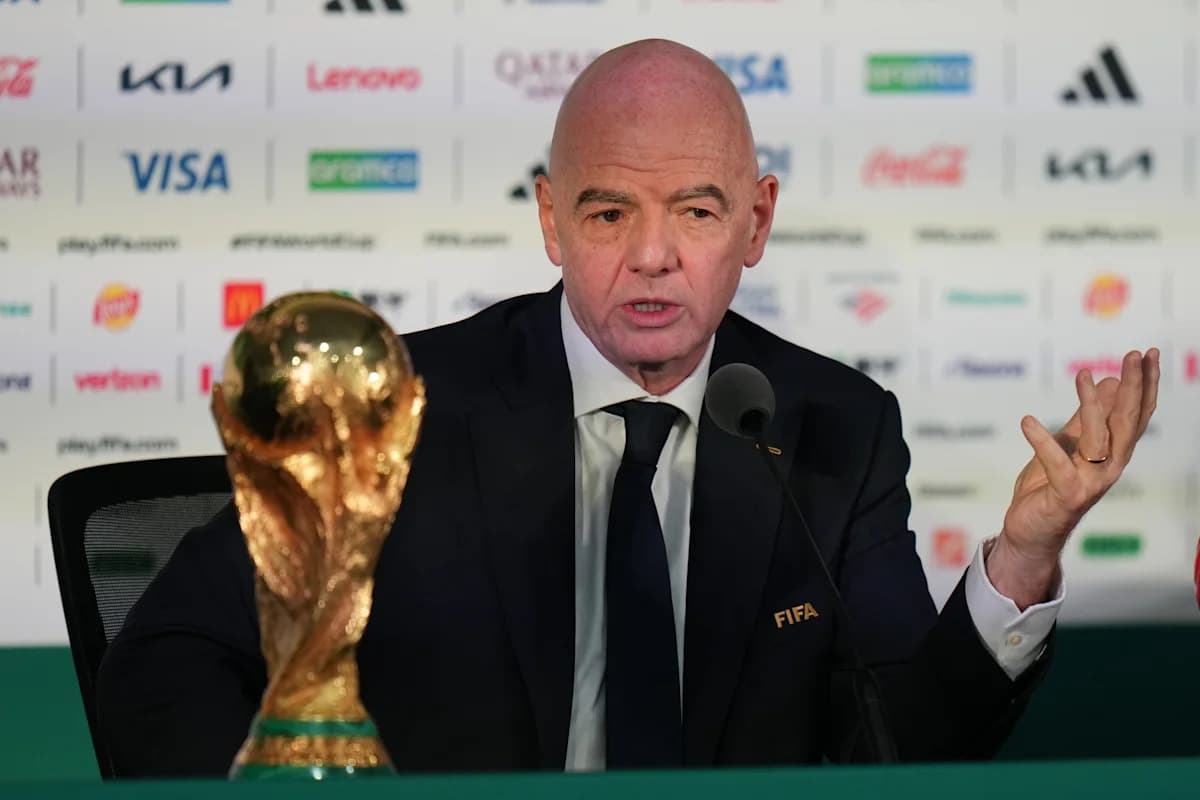
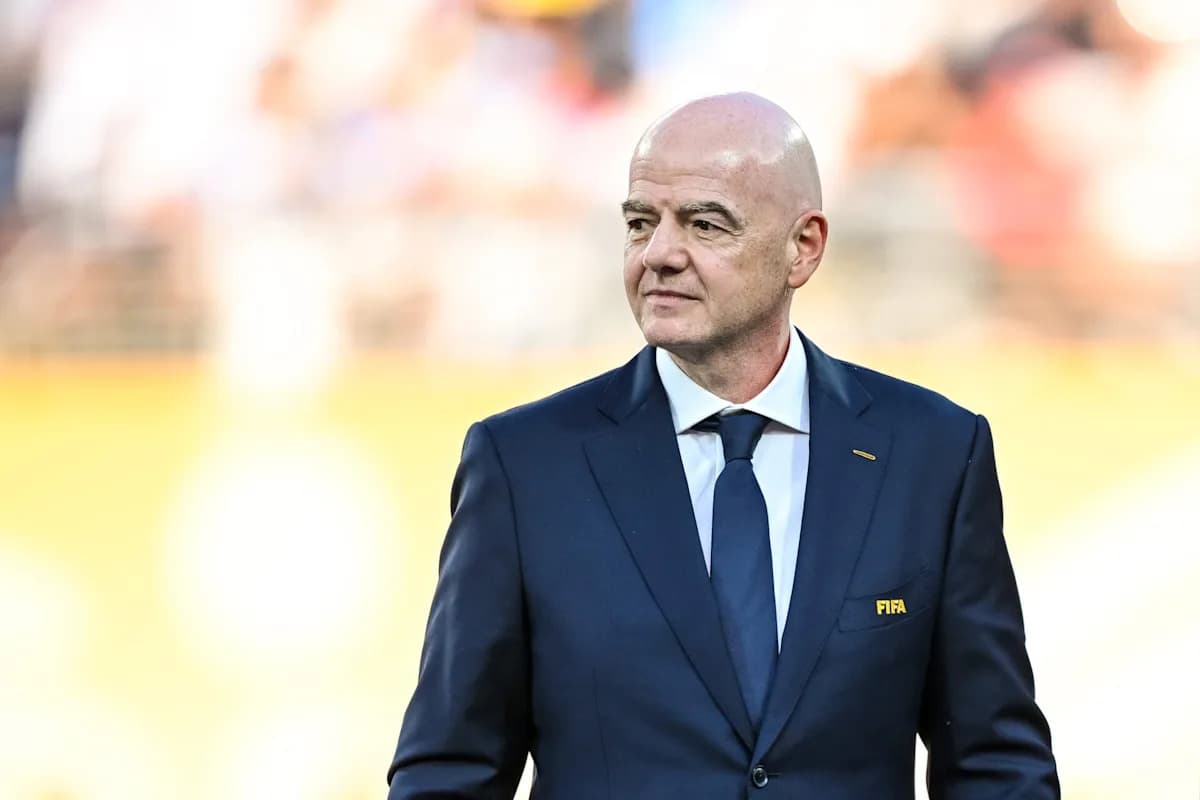
Most concerning was the controversy around American striker Folarin Balogun’s red card suspension. Despite his sending off in the last-32 match against Bosnia-Herzegovina, US President Donald Trump reportedly contacted FIFA president Gianni Infantino, leading to a suspension delay allowing Balogun to play in the next round. This breaks precedent, as only two players in World Cup history avoided serving bans after red cards, the last being Garrincha in 1962 amid political interference rumors.
Managers and officials, including UEFA and Belgium’s Thomas Tuchel, criticized the decision. Belgian players admitted it motivated them further.
Looking Ahead to the Final Stages
FIFA can claim success with packed stadiums and passionate fans creating memorable atmospheres. Though ticket prices remain high and host nations are out, excitement builds with ten days left.
Previous World Cups were often judged by their finals; some brilliant tournaments were overshadowed by poor endings, like Italia 90 and USA 94, while Qatar 2022’s thrilling final lifted its overall reputation.
The remaining quarter-finals feature the world’s top four ranked teams—Argentina, Spain, France, and England—each in different brackets. We expect intense matches that might secure this tournament’s place as one of the best ever.
No matter what unfolds, this World Cup has been unmissable so far.
Statistics courtesy of BBC Sport’s Mohamed Moallim.