Bodo/Glimt vs Union St. Gilloise: UEFA Champions League Qualifying Round Showdown
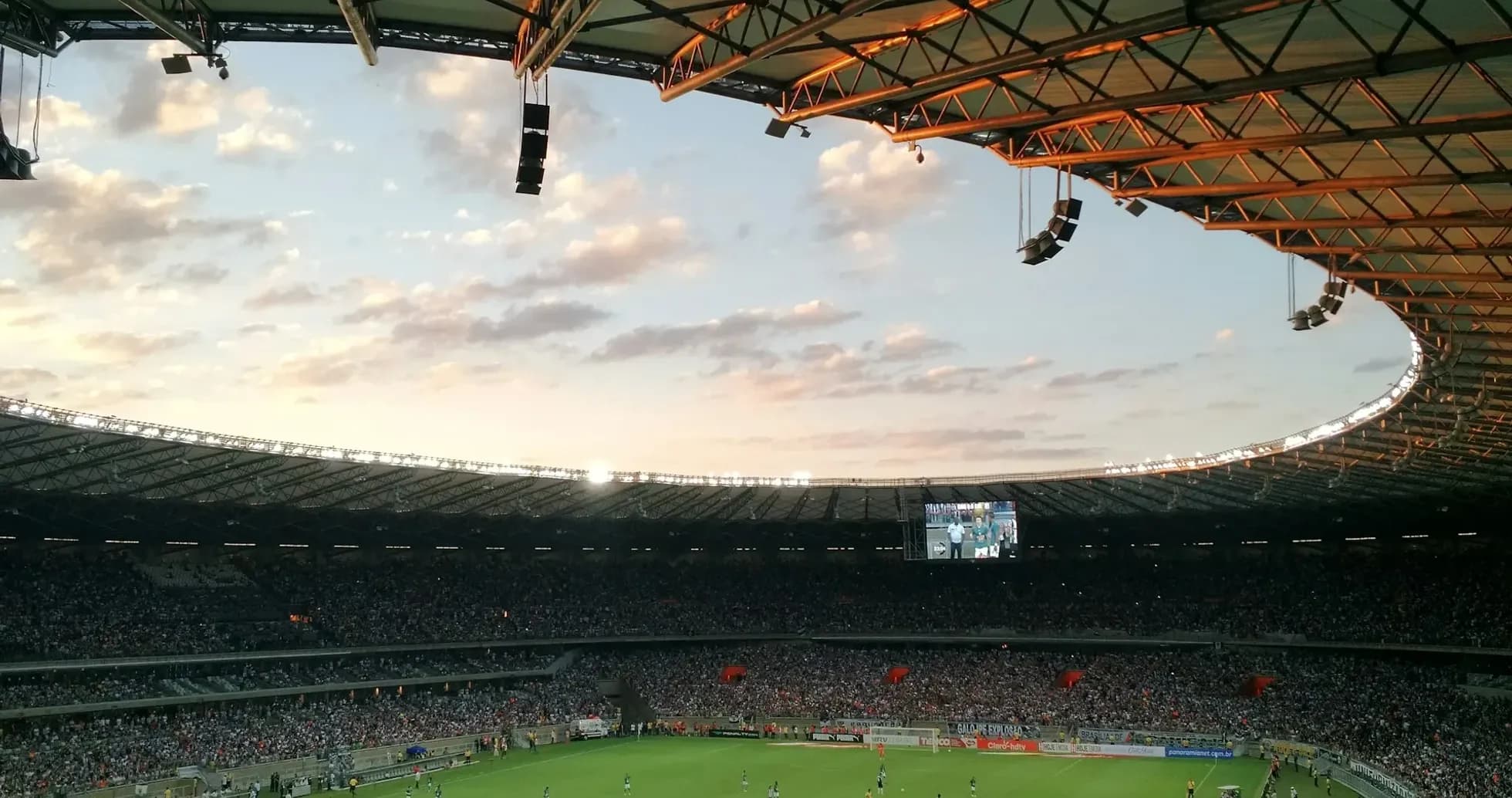
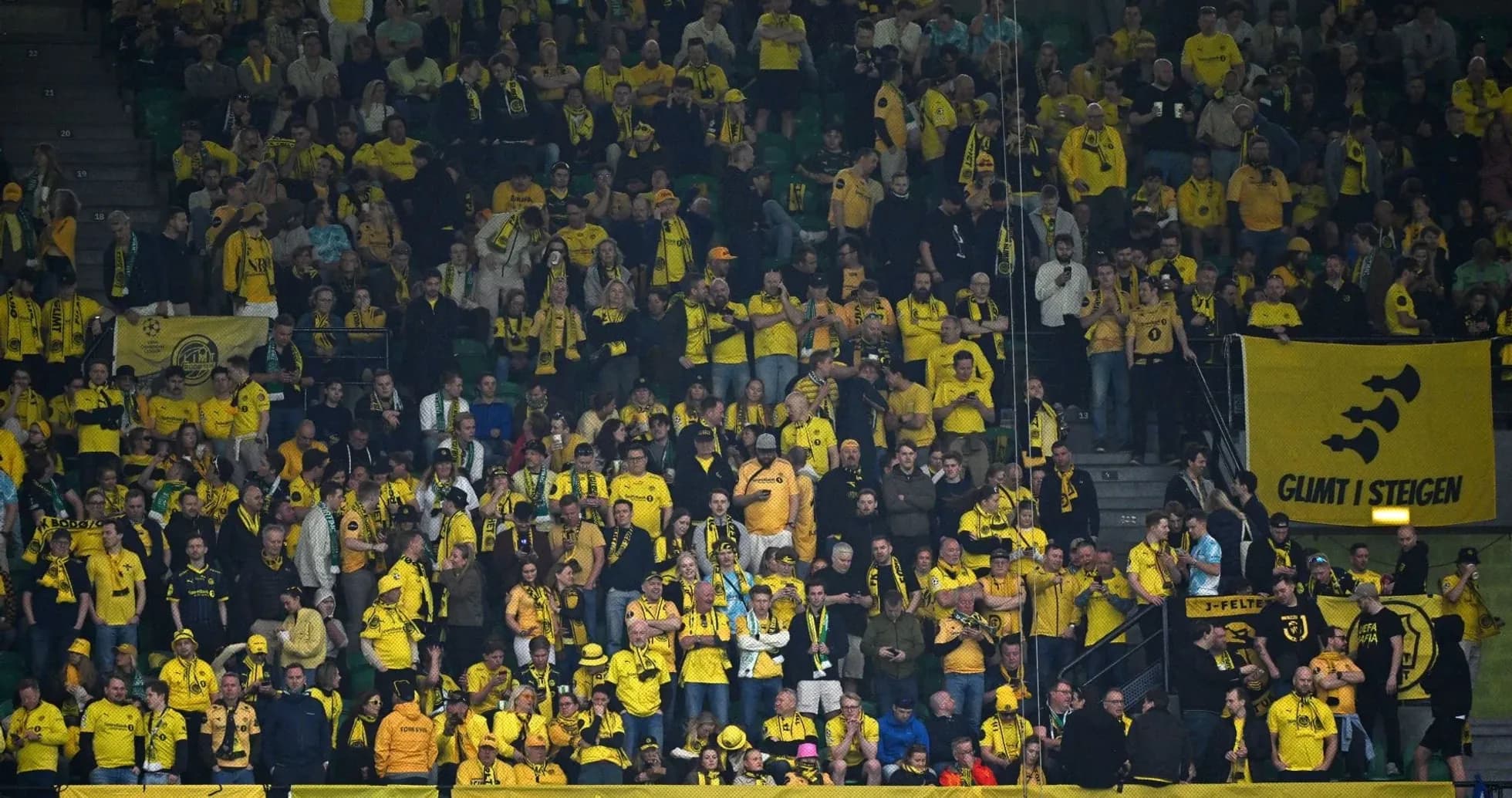
This second-leg tie at Aspmyra Stadion in the UEFA Champions League 3rd Qualifying Round carries clear seasonal weight for both Bodo/Glimt and Union St. Gilloise: with the first leg in Belgium finishing 3–3, progression to the play-off round – and a direct route towards the lucrative group stage – will be decided here in Norway.
Head-to-Head Tactical Summary
The sides have met twice in European competition, both times in Belgium with Union St. Gilloise as hosts. On 3 October 2024 in the UEFA Europa League league stage at Stade Roi Baudouin, they played out a 0–0 draw, a tight game with neither side finding a breakthrough.
Their most recent meeting came on 4 August 2026 in this Champions League 3rd Qualifying Round at AlbertPark in Oostende, ending 3–3. The half-time score was already 2–2, underlining how open and high-tempo the contest was from the start. Union St. Gilloise showed they can score freely at home, but Bodo/Glimt matched them goal for goal, signalling that the tactical balance between the teams is very fine and that both can hurt each other in transition and open play.
Global Season Picture
- League Phase Performance: There is no group-stage standings data yet for either side in the 2026 Champions League, so their performance is currently framed only by this qualifying round. Each team has played one match in the competition so far, the 3–3 first leg in Belgium, leaving the tie perfectly balanced on aggregate.
- Season Metrics: In the league phase of this Champions League campaign, both teams’ statistical sample is limited to that single first leg, but it still reveals useful tendencies. Bodo/Glimt have scored 3 goals and conceded 3, all away from home, reflecting a high-risk, high-reward attacking approach. Union St. Gilloise mirror that with 3 scored and 3 conceded at home. Discipline-wise, Bodo/Glimt picked up 2 yellow cards in the 31–45 minute window, while Union St. Gilloise spread their cautions more evenly across the match, with bookings in several 15-minute segments. Both sides have yet to record a clean sheet or fail to score, reinforcing the expectation of another open encounter.
- Form Trajectory: With only qualifying-round data available, both teams carry a simple “D” form marker in this competition – one draw from one match. For Bodo/Glimt, that draw came away from home with three goals scored, a positive attacking sign heading into the home leg. For Union St. Gilloise, the same draw at home means they now face a more complex task away in Norway, with no away goals rule but clear evidence that defensive control remains an issue.
Tactical Efficiency
From the early-season statistics, both sides profile as offensively capable but defensively vulnerable. Bodo/Glimt’s three away goals in the first leg underline their capacity to commit numbers forward and create chances, but the matching three conceded show that their defensive structure can be exposed, especially against quick combinations and runners between the lines.
Union St. Gilloise, operating from a 3-4-1-2 in the first leg, showed strong attacking variety – three goals at home – but their inability to protect leads and the spread of yellow cards across the match point to a team that can be drawn into reactive defending and tactical fouls when pressed. Bodo/Glimt, using a 4-3-3, looked more expansive, with width and aggressive pressing, but their card profile around the end of the first half suggests that transitions against them can be dangerous and force last-ditch interventions.
In efficiency terms, both attacks appear ahead of their defenses at this stage of the competition. Bodo/Glimt’s front line should benefit from home conditions and familiarity with the surface at Aspmyra Stadion, while Union St. Gilloise’s back three will need to be more compact and better protected by the wing-backs and midfield screen to avoid another high-scoring, chaotic contest.
The Verdict: Seasonal Impact
This result will have a direct and substantial impact on each club’s 2026 campaign. For Bodo/Glimt, converting a 3–3 away draw into qualification at home would consolidate their status as a regular presence in European group stages, boosting revenue, squad visibility, and the club’s long-term ability to retain and attract talent. Failure, after such a strong first-leg platform, would be a missed opportunity and likely reframe the season towards domestic priorities and a Europa League path if available.
For Union St. Gilloise, advancing from this position – needing at least a scoring result away in Norway – would be a statement of maturity in European competition. It would confirm that they can manage high-pressure away legs and stabilize defensively after a wild first match. Falling short would underline that, while their attacking game is at group-stage level, their defensive control and game management still lag behind, and the season’s European ambitions would shift down a tier.
In strategic terms, this tie is less about title races or relegation and more about gateway status: the winner steps into the financial and sporting ecosystem of Champions League group football, shaping budgets, transfer strategies, and fixture congestion for the rest of 2026. The loser faces a recalibrated season, likely focusing on domestic performance and a lower-tier European route, with this night in Bodø remembered as the hinge point.