Bournemouth's Historic European Victory: From -17 to Europe
At the far corner of the Anoeta, a red-and-black flag cut through the Basque night: “From -17 to Europe.”
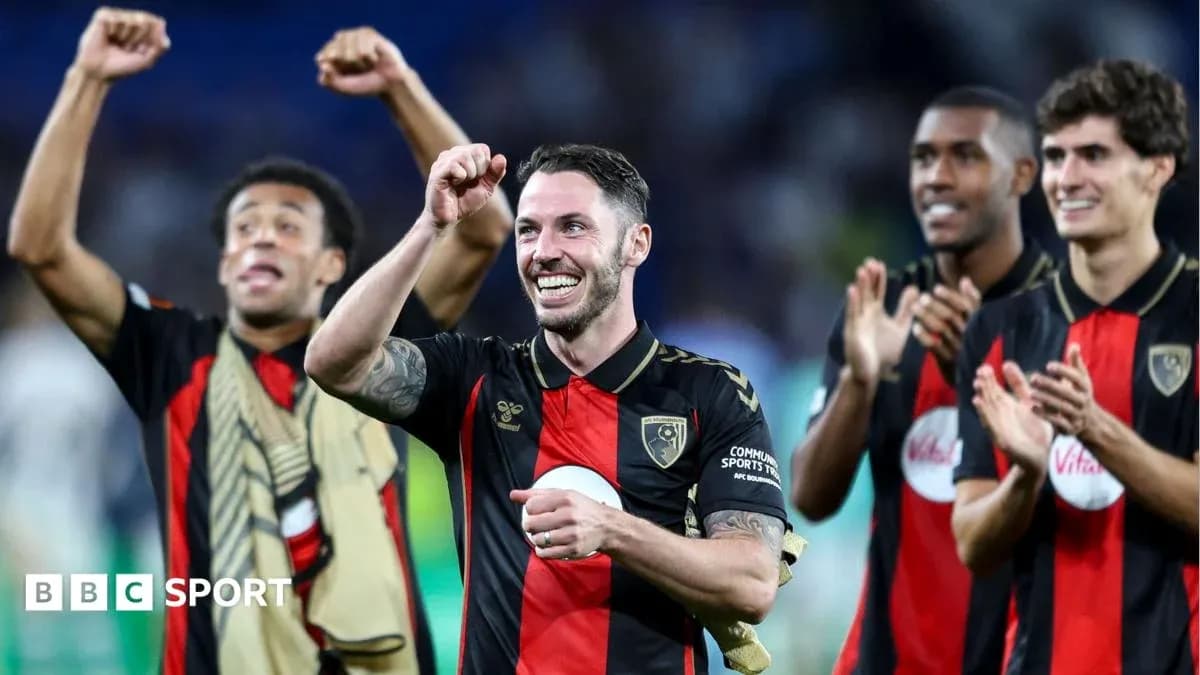
For Bournemouth, this was more than a slogan. It was a timeline, a scar, and now a statement. On their first-ever night in European competition, 127 years into their existence, they walked into San Sebastian and beat Real Sociedad 2-1. Not just survived. Won. Properly.
“It’s a brilliant win in our first European game. It’s brilliant for the club and the 2,000 fans from Bournemouth,” manager Marco Rose told TNT Sports, his voice carrying the mix of pride and disbelief that has followed this club for nearly two decades.
From the brink to the big stage
Eighteen years ago, Bournemouth were fighting to stay alive, not fighting for points in Europe.
Administration, a 10-point deduction, relegation to League Two. Then the ultimatum: accept a 17-point deduction for 2008-09 and agree not to appeal, or risk dropping out of the Football League altogether after failing to meet the terms of a Company Voluntary Arrangement. Survival was the only objective. Staying in the league, the only dream.
Back then, the idea of a £100m-rated midfielder threading passes to a Brazil winger to win a European tie would have sounded like bad fiction. But that is the reality now.
Alex Scott ran the game in San Sebastian with the swagger of a player fully aware that top Premier League clubs are circling. Rayan, the Brazilian match-winner, supplied another reminder of why Bournemouth will not blink at that reported £130m release clause. You want him? Pay for him.
A proper European away performance
For a club with no European history to lean on, this was as authentic as it gets.
Real Sociedad are no soft touch. Led by World Cup winner Mikel Oyarzabal and fresh from beating Atletico Madrid to lift the Copa del Rey last season, they are hardened by big nights and big opponents. Bournemouth made them look ordinary for 45 minutes.
Rose’s side hunted in packs. They pressed high, pinning Sociedad back, nicking the ball in dangerous areas again and again. It wasn’t just energy; there was poise when they won it, the composure to keep the ball and create chances even when the home defence was set. For long stretches of that first half, the Basque crowd watched their side get suffocated.
The reaction after the break was inevitable. There is always an edge to Sociedad at home, and the anger in the stands turned into aggression on the pitch. Bournemouth’s first-half adrenaline began to drain, legs got heavier, decisions a fraction slower.
“It was very intense and tough,” Rose admitted. “Brilliant first half in everything. The way we won balls and the possession high up. In the second half, we needed to suffer because we were not so sharp.”
Suffer they did. But they refused to fold.
Rewriting their reputation
Bournemouth are not exactly known as defensive purists. Four Premier League games this season, four leads surrendered – that was the recent history hanging over them as Sociedad turned the screw.
This time, they held.
Djordje Petrovic, sharp and alert, provided the platform. The goalkeeper’s reflexes under pressure kept the hosts at bay as the minutes dragged and the noise rose. Every clearance, every block, every save felt like a small act of defiance from a club told for years that it should know its place.
Former full-back Charlie Daniels, watching on for BBC Radio Solent, understood the scale of the moment.
“It is a big occasion. A big moment for the club, and they should be applauded for it,” he said.
Howe’s legacy, Smith’s moment
The journey to this night traces back to one appointment: Eddie Howe, January 2009.
He walked into a club staring at oblivion and dragged them clear, finishing nine points above the drop despite that brutal 17-point handicap. Six and a half years later, in his second spell, he had them in the Premier League. From the edge of non-league to the top flight in less than a decade. That is the foundation everything now rests on.
So it felt fitting that, on this latest step into the unknown, Bournemouth were led out by a player who lived much of that story.
Adam Smith first arrived on loan in 2010-11. He came back permanently in 2014 and never left. Close to 400 league appearances later, he walked out at Anoeta as captain on the club’s first European night.
“Adam has been with the club for so long,” Daniels said. “Dedicated himself to the club, and it’s such a proud moment, not only for him, but for his family, his team-mates and old team-mates to see how he’s grown – not only as a player but as a man as well.
“To lead out the Cherries on this historical night is fantastic.”
Smith made history of his own, too. At 35 years and 141 days, he became the oldest English outfielder to make his debut in major European competition since Ipswich’s Reginald Pickett in 1962. A statistic that underlines just how long he has been part of the furniture at Bournemouth, and how far that furniture has been moved.
Good times, hard choices
Nothing about Bournemouth’s story has been straightforward, not even in the so-called glory years.
Relegation in 2020 hurt. The return to the Premier League has brought with it an annual ritual: rebuild, replace, respond. Key players picked off by Europe’s elite, squads reshaped almost every summer. Even the coach who guided them into Europe, Andoni Iraola, could not be kept. He returns to the Vitality Stadium on Sunday with Liverpool, a reminder that success at Bournemouth often comes with a price tag attached.
That pattern will not stop. If anything, nights like this in San Sebastian will only increase the interest in their brightest talents and sharpest minds.
But the flag in the away end told the truth. From -17 to Europe. From survival scraps in League Two to strangling Real Sociedad in their own stadium. From fearing the drop to wondering how far this can go.
Bournemouth fans have lived the dark days. They know exactly what these good times look like. The real question now is how long they can keep riding this wave.