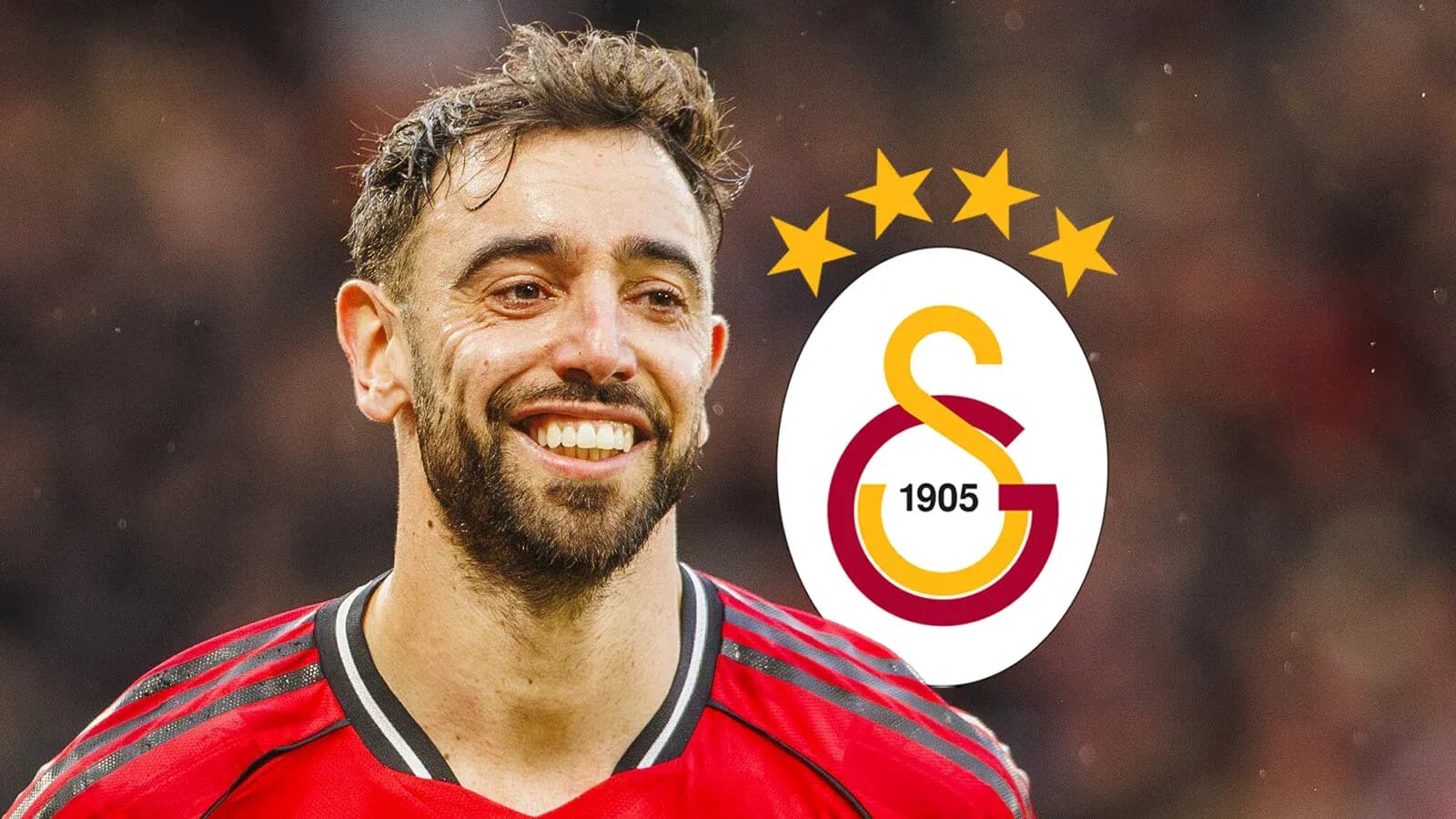
Bruno Fernandes Contract Negotiations with Manchester United: Key Updates
Fabrizio Romano has moved to cool talk of a contract stand-off between Bruno Fernandes and Manchester United, insisting the captain is negotiating – not walking away.
Reports this week claimed Fernandes had rejected a new deal and could even leave Old Trafford on a free transfer next summer, with Belgian journalist Sacha Tavolieri suggesting United’s offer was only €500,000 more per year and had been turned down. That version of events quickly fuelled speculation that the Portuguese playmaker was edging towards the exit.
Romano, though, says the situation has been badly framed.
On his YouTube channel, the transfer specialist said he wanted to “clarify two things” around the 29-year-old’s future. The first was the idea that United are at risk of losing their captain for nothing.
Fernandes’ current contract runs until 2027 and includes an option for a further year. United can trigger that clause, which means the club are “absolutely protected”, Romano stressed. Any suggestion he could simply walk away at the end of this season is wide of the mark.
The second point is the supposed “rejection” of a new deal. Romano painted a very different picture, describing an ongoing process rather than a hard no.
“It’s not about rejecting a contract. It’s about negotiating,” he explained. The two sides do not have an agreement yet, but talks are active and the relationship remains strong. Romano called Fernandes “a United legend” and underlined that leaving on bad terms is “not Bruno Fernandes’ style”.
The context matters. Last season, Fernandes dragged United through a turbulent campaign, scoring nine goals and laying on 21 assists in 35 Premier League games. When he spoke in December about how it “hurt” that the club had considered cashing in on him for a huge offer from Al-Hilal in the Saudi Pro League last summer, it revealed how close that decision came.
United ultimately kept him. Since then his importance has only grown.
This summer, Galatasaray have tried to test that bond, with the Daily Telegraph reporting the Turkish champions are ready to double his wages and pay around €50m to United. The interest is real; the pull of Champions League football and a massive pay rise is obvious. Yet United’s stance is equally clear: they want their captain at the heart of the rebuild.
Romano’s update underlines that both sides are now trying to find the right formula. The numbers matter. So does the timing.
The salary is one key battleground, with Marcus Rashford’s wage packet naturally forming a reference point inside the dressing room. The length of the deal is another. Fernandes is approaching the final stretch of his peak years; as Romano put it, this will be one of the last two or three big contracts of his career. Every detail carries extra weight.
Then there is the release clause. Romano revealed that Fernandes currently has a clause of around €65m in his United contract. That figure – whether it stays, goes, rises, or changes in structure – is central to the talks.
United and Fernandes must decide if they keep that escape route, tweak it, or remove it entirely. When would it be active? For how long? Those are not five-minute conversations in a back office. They shape the club’s leverage and the player’s freedom for years.
What Romano pushed back against most strongly was the idea of crisis. He described the relationship between Fernandes and United as “very good”, stressing that the club are “in love” with their captain and see him as a pivotal figure as they return to the Champions League. Michael Carrick, now part of the coaching staff, is said to view Fernandes as a crucial piece of the project.
No one at Old Trafford, Romano suggested, is bracing for a dramatic split. This is hard-nosed, high-stakes negotiation, not a farewell tour.
United know exactly what they have: a leader, a creator, a player whose numbers still rival Europe’s elite. Fernandes knows what he has too: the armband, the stage, and a club finally back at Europe’s top table.
The talks will decide whether that partnership is locked in for the long term – or left vulnerable to the next big offer that lands on the table.