Cape Verde's World Cup Journey: A Story of Resilience
Cape Verde arrived at this World Cup as a postcard nation, a scattering of islands off the west coast of Africa invited to the biggest show on earth. They leave the group stage as something very different: a team that refused to blink.
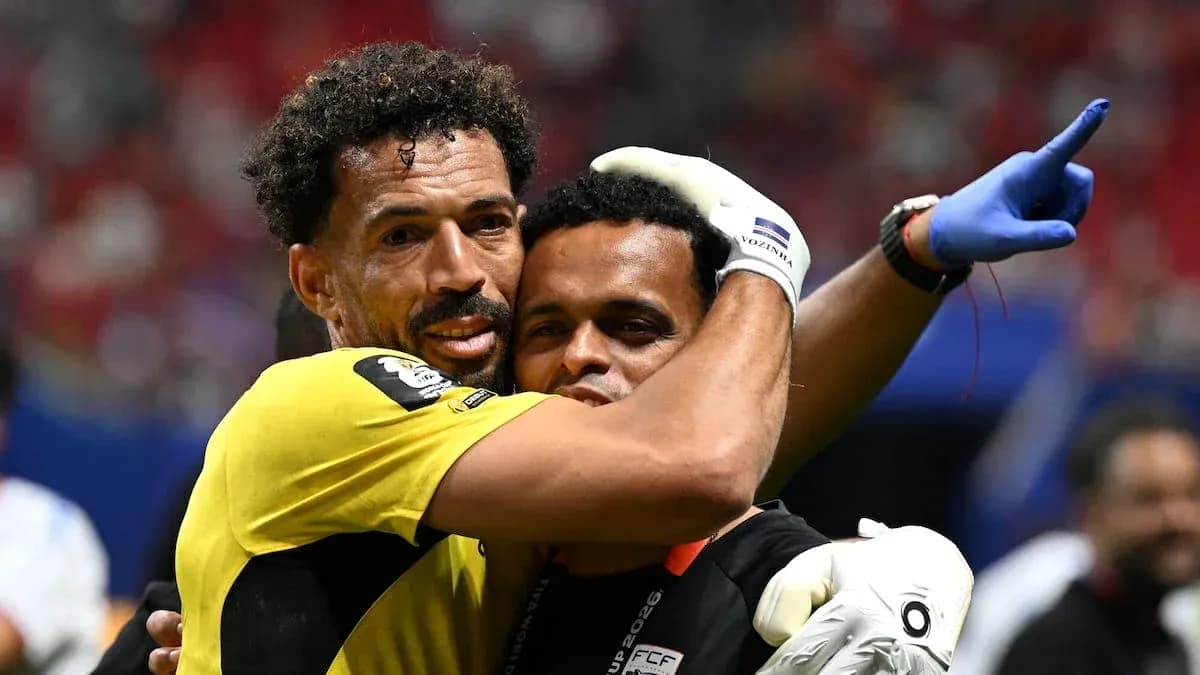
With history on the line, coach Bubista rolled the dice. He changed half his starting XI for the decisive clash with Saudi Arabia in Houston, some of it forced, some of it bold, but he kept faith with the man who had become the face of their campaign — 40-year-old goalkeeper Vozinha.
He had earned that right. In their first-ever World Cup match, against European champions Spain, the veteran keeper produced the performance of his life, repelling wave after wave of pressure to drag Cape Verde to a famous point. That draw turned heads. The follow-up made people sit up.
A fearless 2-2 draw with two-time world champions Uruguay did more than decorate the story; it opened the door. Suddenly, the debutants walked into the final round of Group J with a scarcely believable shot at the knockout rounds. Saudi Arabia, bruised but not yet beaten, stood in their way.
Across the border in Guadalajara, Spain and Uruguay were locked in a parallel battle, an unexpectedly tight group heading for a frantic finish. Every cheer, every groan in Houston seemed tied by an invisible thread to what was happening in Mexico.
Cape Verde, remarkably, looked the calmer of the two sides. They edged the first half, sharper in their passing and more assured in their duels than a Saudi team still carrying the scars of a 4-0 thrashing by Spain, and the frustration of a 1-1 draw with Uruguay that had offered promise but little comfort.
Saudi Arabia’s evening darkened on 33 minutes. Hassan al-Tambakti, their experienced defensive organiser, went down and stayed down. The stretcher came on. As he disappeared down the tunnel, so did a measure of Saudi composure.
News from Guadalajara then cracked through the tension. Spain took the lead towards the end of the first half, a development greeted with raw, instinctive cheers from Cape Verde fans inside the Houston stadium. For a moment, the equation was simple: as it stood, Cape Verde were going through at Uruguay’s expense.
On the pitch, the game remained tight, nervy, short on clear chances. Willy Semedo offered the main threat before the interval, drilling a shot not too far wide of the Saudi post, but neither side carved out anything truly clear in a first half played with more caution than quality.
The real drama arrived after the restart.
Three minutes into the second half, Jamiro Monteiro found himself with the moment he might have dreamed about. Close range, a clear sight of goal, the kind of chance that can define a career. His finish, though, lacked conviction, a tame effort that let Saudi Arabia off the hook. The groans from the Cape Verde bench told their own story.
The pressure did not ease. Kevin Pina stepped up from midfield and let fly from distance, his strike whistling just off target. Each half-chance fed the belief that the next attack might finally break the deadlock.
As the match crept into its final quarter, the tension thickened. Cape Verde knew a point would be enough. Saudi Arabia knew a goal would flip everything. Yet the urgency came almost exclusively from the men in blue. Saudi Arabia, chasing their World Cup survival, looked strangely blunt, short of ideas in the final third and unable to pin Cape Verde back for any sustained spell.
When Saudi did threaten to wrest control, Mohammed al-Owais had to step in to keep them alive. On 75 minutes, Laros Duarte burst through and unleashed a low effort that seemed destined to settle the argument. Al-Owais spread himself, made the vital stop, and briefly dragged his side back from the brink.
The save could have shifted the mood. Instead, Cape Verde doubled down. They managed the clock smartly, held their shape, and still carried the greater attacking menace as the minutes bled away. The underdogs, supposedly clinging on, were the ones pushing closest to a winner.
By the closing stages, every clearance, every interception, every safe pair of hands from Vozinha felt like another step towards a new chapter for Cape Verdean football. A point was all they needed. On this evidence, they were worth far more.