Celtic Fans Reject Robbie Keane as Manager Amid Political Backlash
Robbie Keane’s name sits at the top of Celtic’s shortlist. On the streets around Celtic Park, it’s being crossed out.
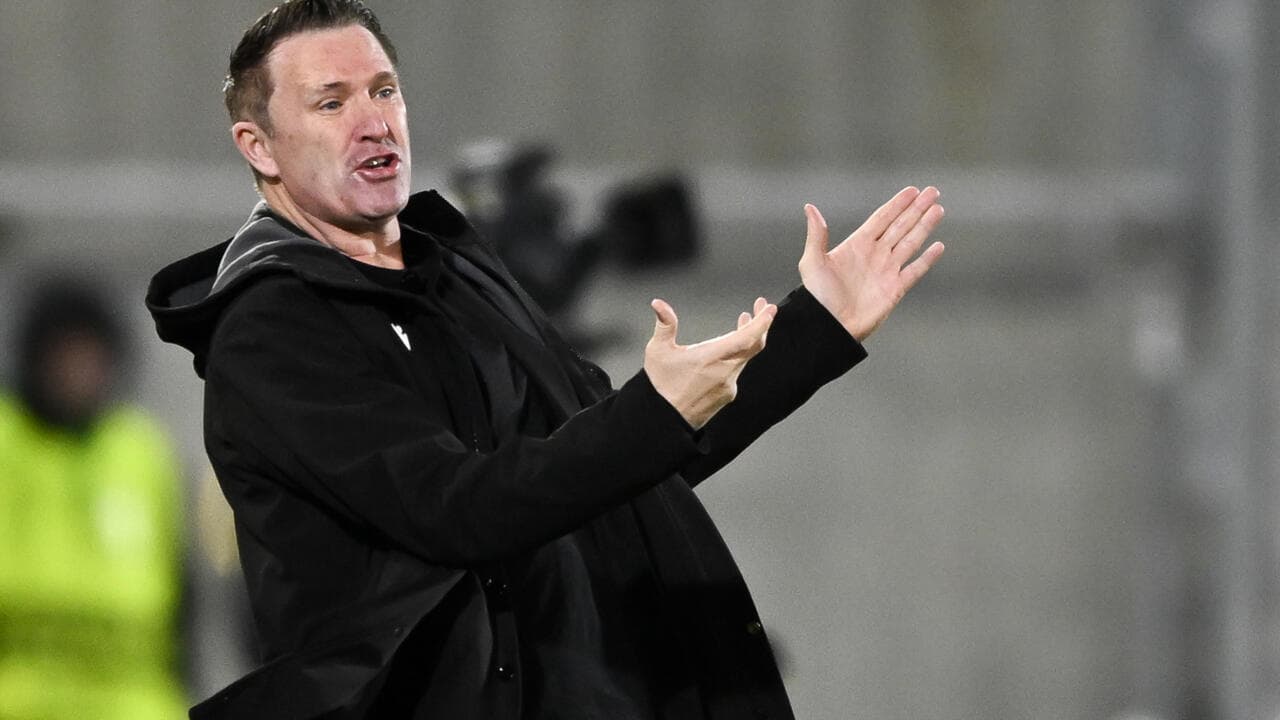
The Irishman, understood to be in talks with principal shareholder Dermot Desmond, has emerged as the leading contender to take charge of the Scottish champions. On football grounds alone, the story writes itself: Ireland’s record goalscorer, a prolific loan spell in Glasgow back in 2010, and a recent league-and-cup double on his CV.
But this is not just a football appointment. Not at Celtic. Not now.
A manager candidate, a political fault line
Keane’s decision to remain in Israel with Maccabi Tel Aviv after the outbreak of the war in Gaza has ignited a fierce backlash among sections of the Celtic support, a fanbase that has made its stance on Palestine highly visible for years and even more so during the current conflict.
Palestinian flags have become a familiar sight at Celtic matches. They are not decoration. They are declaration.
Now, outside the stadium in Glasgow’s east end, graffiti and banners have appeared, explicitly rejecting the idea of Keane becoming manager. One message dominates them all: this would not be a neutral appointment.
A group calling itself “Celtic Fans for the Liberation of Palestine” has issued a statement condemning the prospect. They describe the potential hiring of Keane as something that “would be deeply divisive among the support”. The “North Curve Celtic” account on X has since posted a list of 67 groups said to have endorsed that stance, underlining the scale of organised opposition.
Roots, identity and a red line
The language used by the fans’ statement goes straight to the heart of how many Celtic supporters see their club.
“Celtic supporters have a long and proud history of solidarity with the Palestinian people,” it reads. Keane’s choice to manage Maccabi Tel Aviv “during the genocide in Gaza” is, they say, “impossible to ignore”.
The words get sharper still.
“To choose to manage a club in Israel while, less than 40 miles away, the same country was using indiscriminate weapons of mass murder against defenceless people is unconscionable.”
For those behind the statement, this is not a side issue. It is central to what they believe Celtic represents.
“Celtic was founded by a community shaped by the legacy of genocide, displacement and famine. Our club’s roots lie in solidarity with those who suffered injustice and oppression.
“We urge the Celtic board to listen to supporters’ concerns and reconsider this appointment.”
This is the ground into which Keane’s candidacy has been dropped: a club whose mythology is built on social justice and solidarity, now wrestling with the morality of appointing a coach who worked in Israel during one of the most brutal conflicts in recent memory.
Keane’s stance and his record
The timeline matters. Keane took the Maccabi Tel Aviv job in June 2023, several months before the Hamas-led attacks on 7 October and the subsequent Israeli bombardment of Gaza.
Once the war began, he stayed.
On the pitch, the decision brought success. The 45-year-old guided Maccabi to a league and cup double before stepping down in 2024 and then moving on to Hungarian side Ferencvaros in 2025.
Off the pitch, the choice has followed him, especially in Ireland and now in Glasgow. Critics questioned why he did not walk away. Keane has argued that loyalty to his staff weighed heavily.
“I have a duty of care,” he said. “My analyst, for example, was at Middlesbrough for 12 years. For him to come with me to Israel and then for me to just walk away, leaving him and his family.”
For some, that explanation carries weight. For others, it does not come close to offsetting the symbolism of staying in post as the war escalated.
A board under pressure
Inside Celtic Park, the equation looks very different. The club has a title-winning squad, Champions League football to plan for and a vacancy in the dugout after an extraordinary season that ended with silverware and uncertainty.
Interim boss Martin O’Neill, 74, stepped in and steered Celtic to the Scottish Premiership title on the final day, then capped it with the Scottish Cup. He delivered trophies, stability and a reminder of past glories, but he is not expected to be the long-term answer.
Keane, with his profile, his Celtic connection and his recent success in Israel, offers an attractive footballing package. That is precisely what makes this so combustible. The board must now weigh football logic against the fury on the terraces and beyond.
The fans’ message is clear: appointing Keane would not be seen as a routine managerial decision. It would be read as a statement about where Celtic stands in relation to a conflict that has already carved deep scars across the club’s support.
The banners are already up. The graffiti is already sprayed. The endorsements to the protest statement are already counted.
The question now is simple, and brutal: will Celtic’s hierarchy push ahead with the man they believe can win them more titles, or step back from a candidate their own supporters say they cannot accept?