Celtic's Managerial Pursuit: Robbie Keane's Controversial Candidacy
Celtic’s pursuit of Robbie Keane has run straight into a storm of its own making.
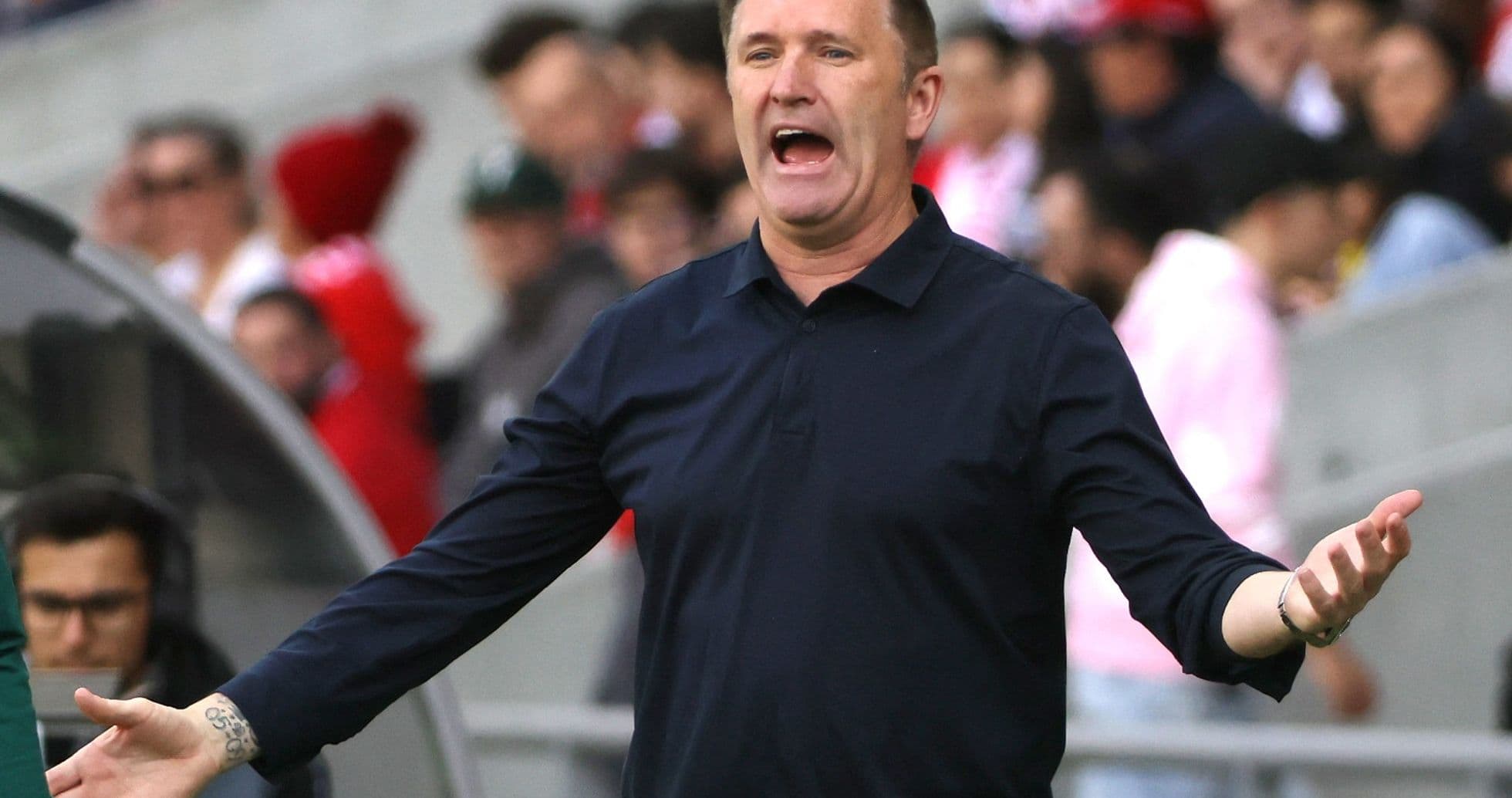
The former Republic of Ireland captain is the clear frontrunner to become the next manager of the Scottish champions, having reportedly entered talks with principal shareholder Dermot Desmond. On football terms, it makes an easy kind of sense: a decorated striker, Ireland’s record goalscorer, and a player who lit up Celtic Park during a prolific loan spell in 2010.
But this is not just a football decision. Not at Celtic. Not now.
Keane, Maccabi Tel Aviv and a fractured fanbase
The flashpoint is Keane’s most recent high-profile job: his spell in charge of Maccabi Tel Aviv. He took the role in June 2023, months before the Hamas-led attacks of October 7 and the subsequent Israeli bombardment of Gaza. When the conflict erupted, he stayed in post and went on to guide Maccabi to a league and cup double, only resigning in 2024 before moving to Hungarian side Ferencvaros.
That choice to remain in Israel during the war has never sat comfortably with a section of supporters in Ireland and has turned a vocal part of Celtic’s fanbase firmly against him.
Celtic fans have made their stance on Palestine highly visible throughout the conflict. Palestinian flags have become a regular feature at matches. Banners and choreographed displays have carried political messages as much as club colours. For many, this is not a side issue. It is central to how they see their club.
So when Keane emerged as the leading contender for the manager’s job, the backlash was swift.
Graffiti and banners opposing his potential appointment have appeared outside Celtic Park in Glasgow. The message is blunt: this is not a man they want representing their club.
Organised opposition
A statement from a group calling itself “Celtic Fans for the Liberation of Palestine” set the tone. They warned that hiring Keane “would be deeply divisive among the support” and framed the debate in stark moral terms.
“Celtic supporters have a long and proud history of solidarity with the Palestinian people,” the statement read. “For us, Robbie Keane’s decision to manage Maccabi Tel Aviv during the genocide in Gaza is impossible to ignore.
“To choose to manage a club in Israel while, less than 40 miles away, the same country was using indiscriminate weapons of mass murder against defenceless people is unconscionable.
“Celtic was founded by a community shaped by the legacy of genocide, displacement and famine. Our club’s roots lie in solidarity with those who suffered injustice and oppression.
“We urge the Celtic board to listen to supporters’ concerns and reconsider this appointment.”
The “North Curve Celtic” account on X, a prominent voice among the club’s ultras, published a list of 67 groups that have endorsed that statement. This is not a fringe protest. It is organised, coordinated and loudly public.
Keane’s stance
Keane has previously explained why he chose to remain at Maccabi for the full campaign. He pointed to the staff who followed him to Israel and his sense of obligation towards them.
“I have a duty of care,” he said. “My analyst, for example, was at Middlesbrough for 12 years. For him to come with me to Israel and then for me to just walk away, leaving him and his family.”
From Keane’s perspective, it was about responsibility to his own people in a volatile situation. For many Celtic fans, that argument does not come close to outweighing the symbolism of managing an Israeli club during the war in Gaza.
The gap between those positions is exactly where the current tension lives.
A decision loaded with meaning
All of this lands at a club where identity and politics have long intertwined with football. Celtic’s origins in a community shaped by Irish famine, displacement and hardship are not dusty history-book details to many of their supporters; they are living reference points.
The board now faces a choice that stretches beyond formations and transfer budgets. Appointing Keane would bring in a high-profile name with clear affection for the club and a track record of success in his last job. It would also mean walking straight into a confrontation with a sizeable and mobilised section of the support, at a time when that support has become increasingly vocal on global issues.
For the moment, Martin O’Neill, 74, stands as the calm figure in the middle of the storm. The interim boss has already delivered the Scottish Premiership title on the final day of the season and added the Scottish Cup for good measure, steadying the club on the pitch while the debate rages off it.
The trophies are back in the cabinet. The banners are back on the railings. The question now is whether Celtic’s hierarchy are prepared to push through a decision that could redefine the relationship between board and terraces — or whether the fans’ resistance will force them to change course.