Cole Palmer's Journey: From Rising Star to Consistent Performer
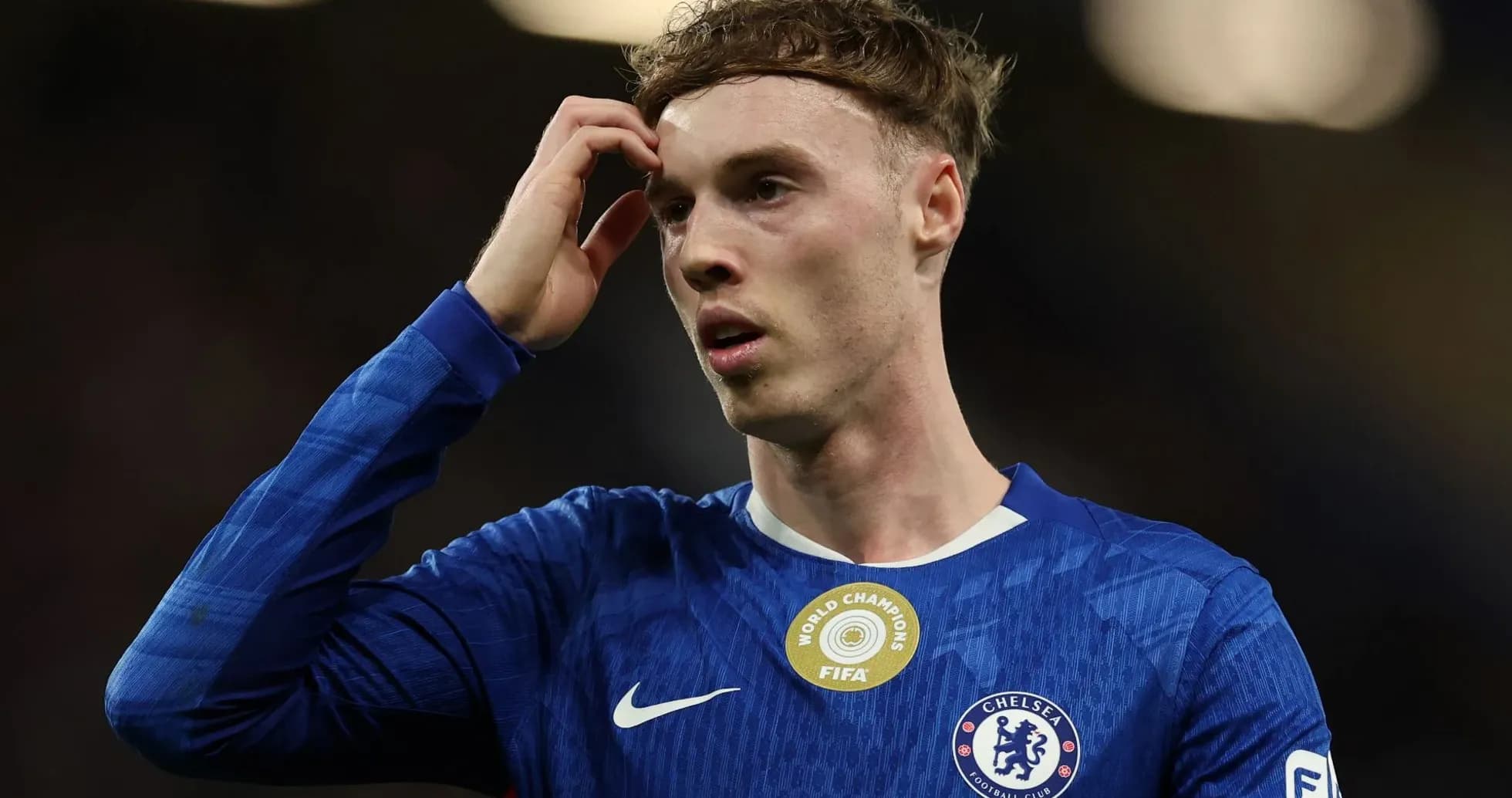
Cole Palmer arrived at Chelsea like a lightning strike. A young forward Manchester City were prepared to let go, suddenly tearing up the script in west London and forcing even Pep Guardiola to reconsider the wisdom of that decision. From “one for the future” to the heartbeat of Chelsea’s attack in the space of a season – it felt wild, unexpected, almost surreal.
Frank Leboeuf has seen that kind of surge before. He has also seen how quickly it can fade.
The former Chelsea defender, speaking to GOAL via Betinia NJ, cut through the noise around Palmer with the bluntness of someone who has lived at the sharp end of elite football. The story, he suggested, is only just beginning – and the hardest part starts now.
Leboeuf pointed to what he calls the “dictator of emergency” that rules modern football. A young player explodes, a club scrambles to build around him, the media crowns a new star. Palmer fit that script perfectly: unwanted by Guardiola, he crossed the divide, landed at Stamford Bridge and shocked everyone with his impact. So much so that Leboeuf believes even Guardiola will have felt a twinge of regret.
But one season, he stressed, does not make a great player.
Consistency does. Relentless, unforgiving consistency.
Leboeuf framed it in the starkest terms. The true giants – Cristiano Ronaldo, Lionel Messi – did not just dazzle for a year or two. They sustained it for well over a decade, season after season, under suffocating pressure. Even Kylian Mbappé, already a World Cup winner and global superstar, still has to finish his career before anyone can definitively place him among the game’s immortals.
That is the standard. Brutal, maybe, but real.
Leboeuf drew a parallel with the national team experience. The first cap feels like a dream, the moment a player tells himself he has “made it”. In France, though, he noted that the unofficial threshold to be truly considered an international sits at around 10 caps. One appearance can be an accident, a reward, a trial. Ten suggest you belong. Ten show you can live at that level.
Palmer, in Leboeuf’s eyes, is now at a similar crossroads.
The talent is not in question. The Frenchman highlighted the obvious: when Palmer gets on the ball, things happen. Or at the very least, something threatens to happen. There is a spark, a sense of danger, a creativity that cannot be coached. That is why his breakout felt so dramatic.
But the last stretch has not been smooth. Coaching changes, tactical tweaks, and injuries have all played their part. Leboeuf pointed to Palmer being pushed to the right flank, a role that does not naturally suit him, as one of the reasons his rhythm faltered. The conditions around him shifted, and his influence dulled.
For Leboeuf, that is where the real examination begins. Top-level football does not wait for ideal circumstances. Systems change, managers rotate, injuries intervene. Great players bend with that chaos and still find a way to impose themselves.
Then came the blow that, in his view, could define Palmer’s response: missing out on the World Cup squad.
Leboeuf did not dress it up. He called it a “big slap in the face” – the sort of jolt that can either bruise a career or ignite it. For a player who had been fast-tracked into stardom, left out of the biggest stage of all, the message could not be clearer: there is more work to do.
That, he argued, is where humility must return. Not as a slogan, but as a daily reality. Back to the grind. Back to the training pitch. Back to proving it all over again, without the comfort of last season’s headlines.
Because the raw material is there. The touch, the vision, the ability to tilt a game with a single movement – Leboeuf did not deny any of it. He simply refused to confuse potential with legacy.
Under Xabi Alonso, Palmer now faces a different kind of test. Less about shocking people, more about reassuring them. Less about the sudden rise, more about the steady climb. The early burst has earned him attention. What comes next will decide whether he becomes a fleeting story or a permanent fixture at the top level.
The stage is still there. The ball will still find his feet. The question now is simple: how often, and for how long, can Cole Palmer make something happen?