Curtis Jones Leaves Liverpool: A Loss of Scouse Identity
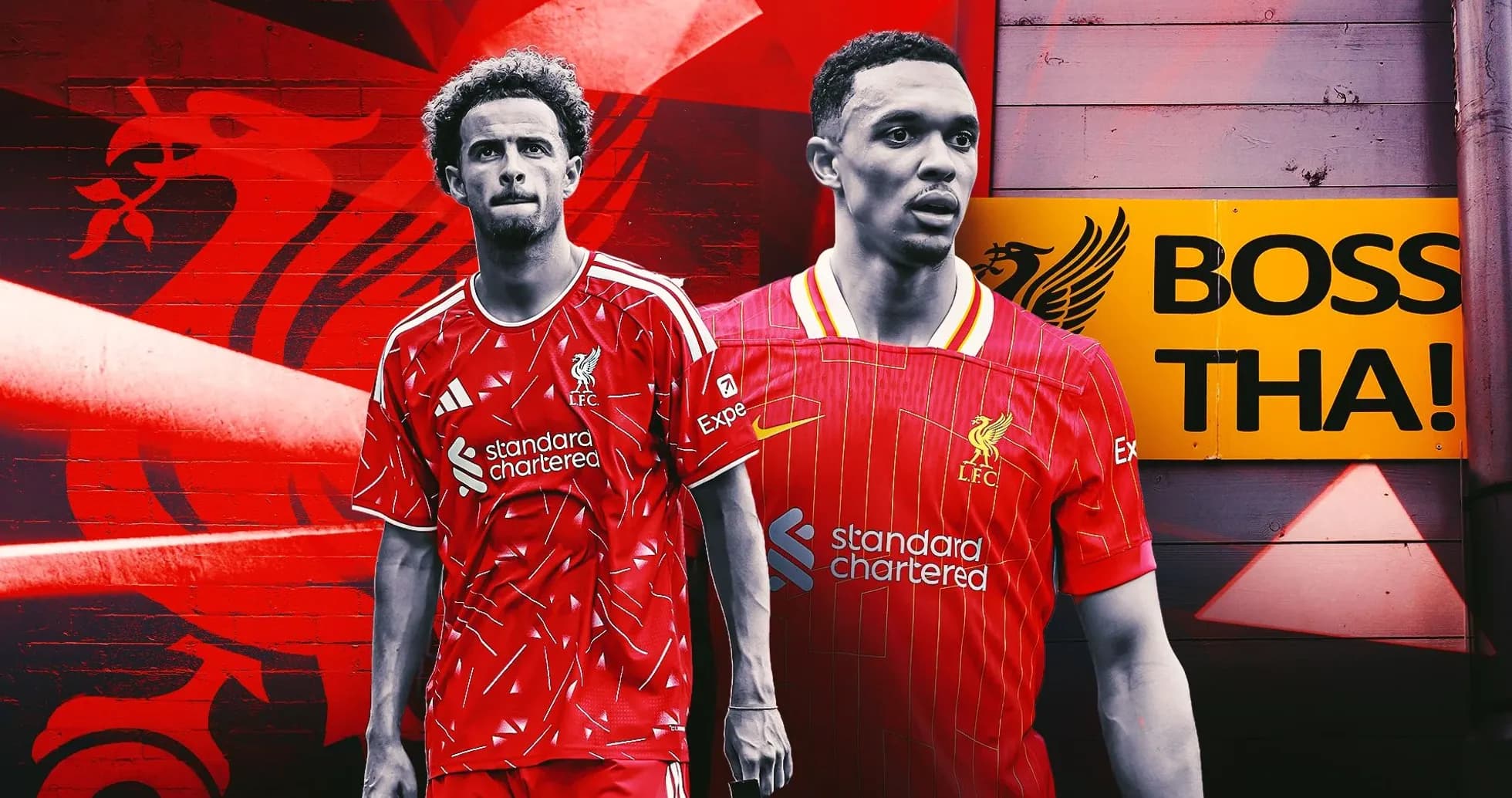
When Curtis Jones finally walked out of Anfield for good on August 21, bound for Inter and a new life in Serie A, it felt less like a transfer and more like a line being crossed.
Liverpool did not want to lose him. But they had run out of road.
The England international was into the final year of his contract and had made his stance brutally clear: no new deal, no change of heart. A boyhood Red, a player who had grown up dreaming of the Kop, no longer saw his future there. Not at right-back. Not on the fringes. Not as a utility man.
Arne Slot’s sacking at the end of last season, after using Jones as an emergency full-back, did not change that calculation. The 25-year-old wanted minutes in midfield, in his position, and there was no promise from Andoni Iraola that those minutes would come. Under those conditions, a move stopped being a possibility and became an inevitability.
The fee only sharpened the sense of unease. £25 million for a homegrown England international in the same summer that relegated West Ham shifted Mateus Fernandes to Spurs for more than three times that figure. Supporters looked at the numbers, then at the squad list, and saw no obvious replacement coming in. Their anxiety was not irrational. Iraola had been clear from day one: he wanted more midfield options, not fewer.
And yet, the new Liverpool coach had also made a point of saying he wanted to keep Jones. Not just because he rated him “very highly” as a player, but because of where he came from.
“It’s very important that he’s Scouse, that he’s from here,” Iraola said in July when quizzed on Jones’ future.
Those words carried weight. Iraola, a proud Basque who spent most of his playing career at Athletic Club, understands what it means when a club’s dressing room reflects its streets. He knows the power of a local accent in a global game.
“I see a lot of similarities between Liverpool and Bilbao,” he explained on the pre-season tour in the United States. “This sense of belonging, of being a little bit different, and this connection, also, with players from the academy.”
And yet here Liverpool are, stepping into a new season without a single Scouser in the senior squad for the first time in the modern era. No Jones. No local standard-bearer. The question almost asks itself: what does that do to a club that has always sold itself as the beating heart of its city?
The fears did not begin with this transfer. They were already simmering.
Fenway Sports Group have transformed Liverpool’s balance sheet since taking over a club on the brink of bankruptcy in 2010 and turning it into one of the most profitable operations in world football. On the business side, the numbers are hard to argue with.
On the terraces, it has been different. Supporters’ groups such as Spirit of Shankly have long pushed back against ticket hikes and creeping corporatisation, arguing that locals are being priced out of their own ground.
“Matchday income represents a relatively small proportion of total revenue yet comes at the expense of affordability, loyalty and trust,” SOS wrote in an open letter to FSG earlier this year.
Then came last month’s news that 1892 Holdings, a consortium backed by Amazon founder Jeff Bezos, had acquired a 38 percent stake in the club and could complete a full takeover within 12 months. For many, that felt like another step away from the club’s roots and another step towards something more sanitised, more global, less Liverpool.
Kieran Maguire of ‘The Price of Football Podcast’ captured the mood when he spoke to GOAL.
“Liverpool is a very proud working-class city and the broader, pre-existing fear of the marginalisation of the traditional fanbase has only been exacerbated by this development,” he said.
“A lot of supporters are already concerned that more tickets will be going to more rich people, and for extortionate prices, and that would continue to dilute what makes a trip to Anfield unique. For the people of Liverpool, the club is far more than a tourist attraction and you don't want the continued ‘Disney-fication’ of something that is part of the history, heritage and identity of the city.”
Now strip the last Scouser out of the squad and that anxiety spikes again. The flags and banners will still fly, the songs will still roll down from the Kop, but who on the pitch will truly sound like the people in the stands?
Steven Gerrard made his feelings clear earlier this summer. For him, Jones’ passport mattered as much as his passing range.
“I just think that, naturally, being around Liverpool, growing up in the city, we understand the demands of the club, the style, what the fans want,” the former captain and youth coach told BFM Radio. “It’s embedded in us because we know the city inside out. For that reason, I think the academy at our club is crucial, as I think it's key that we keep producing homegrown talent.
“Liverpool have always been very good at that. If you look back, Michael Owen, Jamie Carragher, Robbie Fowler, Steve McManaman, Trent Alexander-Arnold, myself, even the likes of players like Jay Spearing and Stephen Warnock who don’t play the [same] amount of games, they come into the team and they understand the values and the principles of what we’re about.”
That lineage has always been part of Liverpool’s story. Owen to Gerrard to Carragher to Alexander-Arnold, a thread running through eras and managers. With Jones gone, the line suddenly looks frayed.
Carragher himself has started to question what Liverpool are about these days, at least when it comes to how they build a squad.
“What we did last summer, I didn't really like it,” he told Football Ramble. “It felt like a Real Madrid summer – Florian Wirtz, Alexander Isak, we're gonna get Hugo Ekitike, another striker, for £80m even though we've got one for £125m.
“This summer, it's all about Bradley Barcola. What about the days we had before when we built that team under Klopp and we were getting players who people weren't quite sure about and getting great value? I almost want to go back to that.”
He is not alone. Plenty inside and outside the city look at Liverpool’s recent transfer windows and see a club edging towards the super-club template they once seemed to resist.
The academy is not completely frozen out. Rio Ngumoha arrived from Chelsea but counts as a former youth-team player. Trey Nyoni, an unused substitute in the Carabao Cup win over Chelsea that left Jürgen Klopp beaming with pride, is expected to feature heavily this season. Lewis Koumas and Jayden Danns have already had a taste of the stage; Danns, once fit again, could be needed with Alexander Isak the only orthodox No.9 available and Ekitike not expected back until 2027.
Yet the pathway has narrowed. Carragher has highlighted the shift in recruitment: the four most expensive signings in Liverpool’s history have all arrived in the last two summer windows. That level of spending raises the bar for youngsters trying to break through. Every position now has a marquee name in front of it.
The late-summer swoop for Barcola from Paris Saint-Germain underlined the point. When Liverpool walk out at Portman Road for Friday’s Premier League opener against Ipswich Town, Iraola could field three players who cost north of £100m. He will not be able to call on a single local lad.
Klopp once said that Liverpool’s Carabao Cup triumph, achieved with a patched-up side and kids from Kirkby, was unique. He was right in ways that perhaps even he did not intend. Winning trophies with teenagers is always rare. Doing it with a team that still felt unmistakably Scouse might soon be rarer still.
Because as the money pours in, as the ownership model shifts, as the recruitment strategy chases the same names as Real Madrid and the rest, one uncomfortable question hangs in the air at Anfield:
What is Liverpool worth if the Scouse soul that built it is treated as expendable?