Eddie Howe Faces Pressure After Another Tyne-Wear Derby Defeat
The jeers poured down from the Gallowgate End, from a stand built on a place where public hangings were once a spectacle. Eddie Howe stood beneath it all, locked in a tight grimace, clapping the supporters who had just turned on him. A manager wounded, maybe fatally, at the end of a week that has shredded pride and punctured a season.
Another Newcastle boss chewed up and spat out by Sunderland. Another Tyne-Wear derby tilting a career towards the trapdoor.
The next few days, maybe weeks, will decide whether Howe gets the chance to repair this or whether Newcastle’s Saudi ownership opts for a colder, cleaner break. Right now, he is fighting gravity. His team look spent after passing the 50-game mark, their legs heavy, their concentration frayed. They have now tossed away 22 points from winning positions – more than anyone else in the league. That is not bad luck. That is fragility.
Alan Shearer called them “pathetic, weak and lazy.” The reaction suggested Tyneside agreed. Howe, though, stood in the storm and refused to step back.
“You never want to go through that (booing),” he said. “As the leader, I front up and absorb it and act like I normally would. I understand and accept the criticism.
“I am fully committed to the job. I am disappointed with my delivery this week. I mean, I always absorb the blame myself. I will protect my players to my last breath.
“It is very painful, most of all for our supporters. I think about them now. I have little to use as an excuse. We are desperately disappointed.”
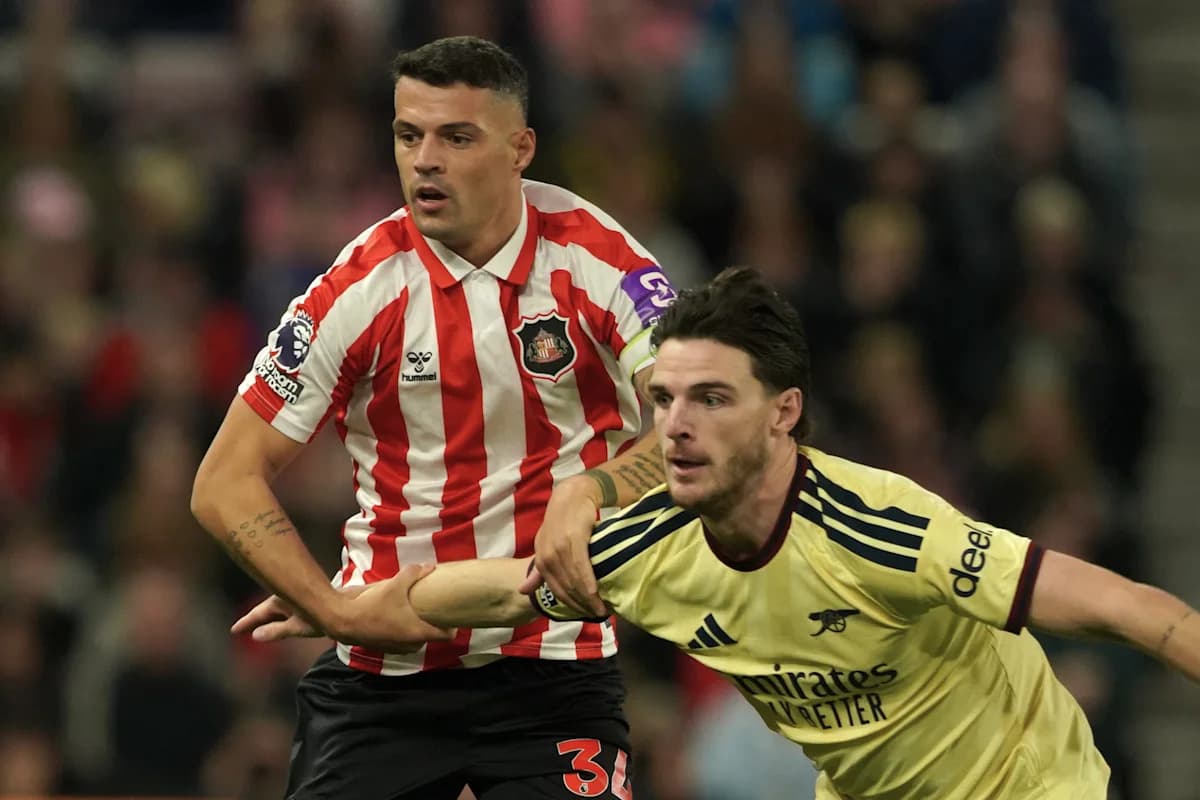
Derby day had returned to St James’ Park for the first time since 2016 and brought with it all the old poison. “Utter chaos” off the pitch. Utter chaos in Newcastle’s defence. Sunderland, yet again, walking away as the grinning villains, completing the league double over their neighbours.
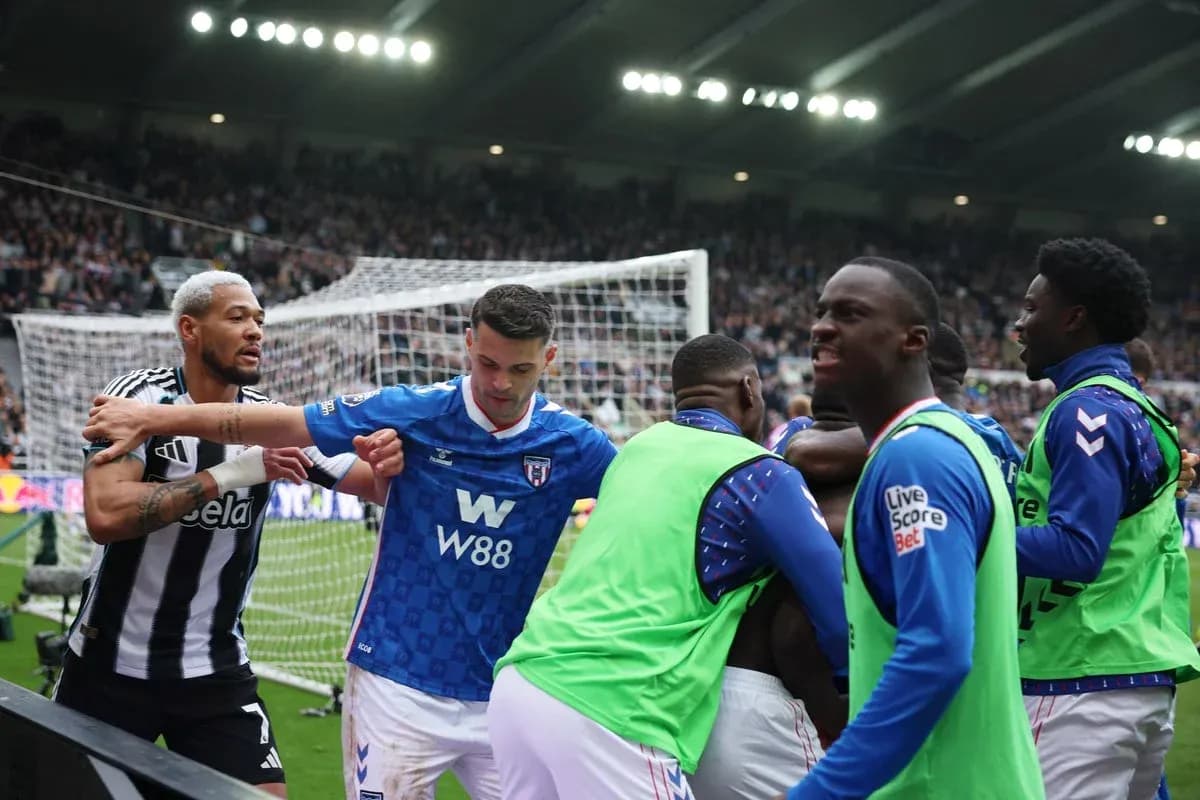
The day began with blood on the streets. Fights between rival fans, flares, and a smashed windscreen on the Sunderland team coach. It ended with Brian Brobbey charging into the box in the 90th minute, bundling in the winner and sparking wild, disbelieving celebrations up in the Leazes End. Red and white limbs everywhere, black and white heads in hands.
In between, the game stopped for an uglier reason. Match officials noted an allegation of racist abuse from the home crowd towards Lutsharel Geertruida. The Premier League immediately opened an investigation, promising support for Geertruida and both clubs.
Howe did not hesitate. “We don’t condone racism of any form and the club will investigate,” he said. Sunderland manager Regis Le Bris spoke to Geertruida afterwards. “He is ok but it is not acceptable. It is important to report and manage the situation properly.”
On the football side, Howe was left staring at the harshest mirror of his Newcastle reign. Four days after a 7-2 humiliation by Barcelona in the Champions League, his team needed a response. This was not it.
Any fading dream of returning to Europe’s elite next season was extinguished by Sunderland’s discipline and edge. Le Bris set his side up to smother and then strike, and they did both. Brobbey and Chemsdine Talbi took their chances with the kind of ruthlessness Newcastle lacked.
It was a sharp, clever away performance, engineered by Le Bris and delivered by players who never blinked in the noise. Sunderland are now 11 league derbies unbeaten. Newcastle have not beaten them at home in the league since that 5-1 romp in October 2010, a day when five or six of Sunderland’s first-choice players were missing. That feels like another era.
Howe’s mantra of calm and emotional control failed him at the Stadium of Light in December, when Newcastle went down 1-0. It failed him again here. His side ran out of energy, and then ideas.
This fixture has a habit of defining futures. Ruud Gullit, Alan Pardew, Steve McClaren – all saw their stock plummet around derbies. Howe knows the pattern. “Some games have bigger consequences than others,” he admitted.
The build-up crackled with contempt. It had been so long since a league derby on this ground that Newcastle fans unfurled a banner: “Welcome to the region’s capital, you’ve been gone so long!”
The local fanzines poured petrol on the fire. Sunderland’s A Love Supreme offered the simple: “I do not like Newcastle United Football Club.” The Roker Report invoked Sun Tzu’s Art of War and talked about “calmness on the banks of the Wear and anxiety all over Tyneside…”
On the Newcastle side, True Faith dismissed Sunderland as a “tinpot lower league outfit,” a “deluded, bitter, small-club-mentality” stuck on “history” while “rotting in irrelevance,” insisting they “statistically should be in the bottom three” and in the falsest of positions.
XG, polemics, moral arguments about Saudi money – all part of the modern rivalry now. But on derby day, the only metric that counts is the scoreboard and whether you can keep your nerve.
The noon kick-off was supposed to dampen the drinking. It didn’t. Pubs opened at 8am. A corner from the stadium, some Sunderland fans broke away from their police escort and clashed with home supporters amid smoke and sirens.
Le Bris tried to draw a line. “The fight was only on the pitch,” he said. “We have to stay respectful. They have a good crowd, we have fantastic fans, the fight is only on the pitch.”
On it, the tension was immediate. Newcastle struck first. On nine minutes, Anthony Gordon punished a mess of Sunderland indecision. With five key players missing and Luke O’Nien filling in at centre-back, the visitors tried to play out from the back and got tangled up.
O’Nien over-complicated it, collected the ball in his own box and sliced his pass straight into trouble. Nick Woltemade pounced, nicked the interception and slipped Gordon through. Gordon drifted left, opened his body and lashed the ball past Melker Ellborg. St James’ roared, sensing a rout.
It never came. Sunderland held their line, stayed in the game, and waited.
By the 56th minute, they had their reward. A corner, a flap, and punishment. Aaron Ramsdale came for the delivery and got nowhere near it. Trai Hume recycled the ball, knocking it back across goal. Brobbey bulldozed into the crowd, caused chaos, and Talbi reacted quickest, thumping in from eight yards.
Nerves crackled around the ground. Newcastle thought they had found a release when Malick Thiaw powered in a header from a corner, only for the joy to be cut short. Jacob Murphy had clattered Ellborg, and the goal was chalked off.
Le Bris, always animated but always calculating, tightened his grip on midfield. His reputation for stopping teams playing through the centre looked fully justified. “A big achievement,” he called it. “Two derbies won in the same year means a lot.”
Brobbey, meanwhile, kept bullying Newcastle’s back line. He ran channels, pinned centre-backs, fought for every scrap. In the 90th minute, with black and white shirts dropping around him, he barged into the box again. One more surge, one more duel won, one more finish that ripped through Howe’s fragile defence and through the stadium’s remaining belief.
Sunderland’s players sprinted to their fans in the Leazes End, swallowed by noise and limbs. Newcastle’s players sank. Howe turned once more to the Gallowgate, clapping, alone in the cold.
Whether this was the night that finally fells him, under owners who do not tend to tolerate drift and a crowd that has started to doubt, will be answered soon enough. For now, the record books say Sunderland have taken another derby, another scalp, and left a manager’s future hanging in the Tyneside air.