Edu's Departure from Nottingham Forest: A Year of Turbulence
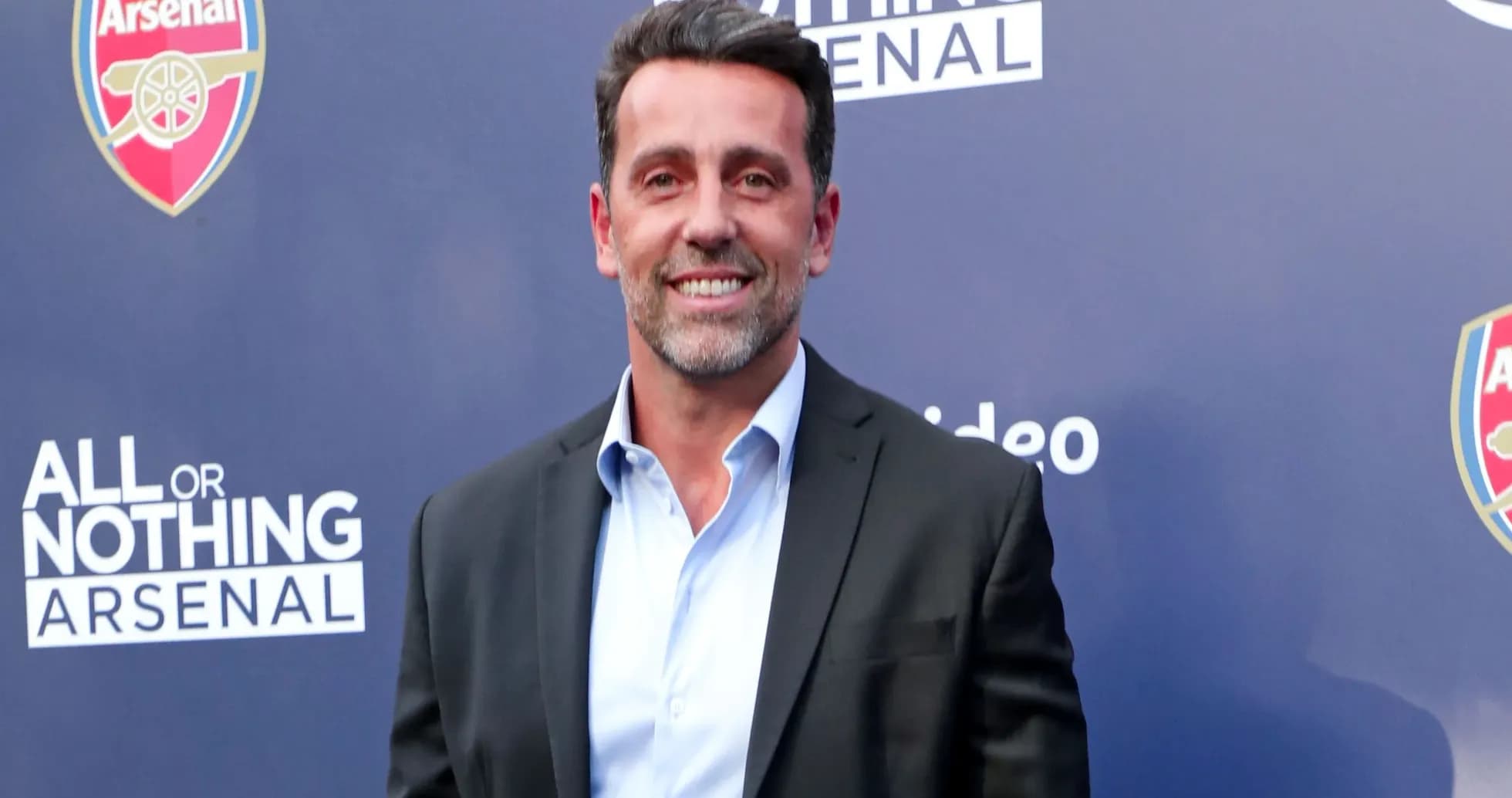
Edu’s turbulent Nottingham Forest stint is over after just a year, with the Brazilian executive quietly departing his role as global head of football and de facto architect of the club’s multi-club vision.
The 48-year-old had, in truth, already vanished from the picture. He has not attended a Forest match since February and has stayed away from both the City Ground and the training ground since early March, when word first leaked that his exit was looming.
Silent exit, shifting power
Forest are not expected to announce his departure or move to appoint a like-for-like successor. The power has already shifted. Chief Football Officer George Syrianos has steadily absorbed much of Edu’s brief over recent months, expanding his influence as the Brazilian was eased aside.
Syrianos’ growing authority also plugs a second gap. When Ross Wilson left for Newcastle United in October last year, Forest lost a key figure in their football structure. The club has effectively responded by consolidating responsibilities rather than rebuilding the hierarchy around Edu’s original job description.
From European push to survival scramble
Edu arrived at Forest to drive an ambitious, multi-club project and push the team towards Europe. For a brief spell, that seemed plausible. Under Nuno Espirito Santo, Forest flirted with a Champions League challenge, riding a wave of optimism at the City Ground.
Then the relationship between manager and director fractured. The fallout proved fatal for Nuno’s tenure and catastrophic for Forest’s season. The club plunged from European hopefuls into a scrap for survival, the mood around the ground turning from excitement to anxiety almost overnight.
What followed was chaos in the dugout.
Ange Postecoglou lasted just 39 days before the club pulled the plug. Sean Dyche replaced him, only to be dismissed in February. Vitor Pereira came and went in short order. Oliver Glasner, the former Crystal Palace manager, is now the latest man asked to steady a listing ship and restore a sense of direction that evaporated on Edu’s watch.
Transfers that never landed
If the managerial churn defined the season publicly, recruitment was the running sore that never healed.
Edu enjoyed serious financial backing but saw too little return on it. A series of high-profile signings failed to shift Forest forward, instead piling pressure on the club’s wage bill and on his own position.
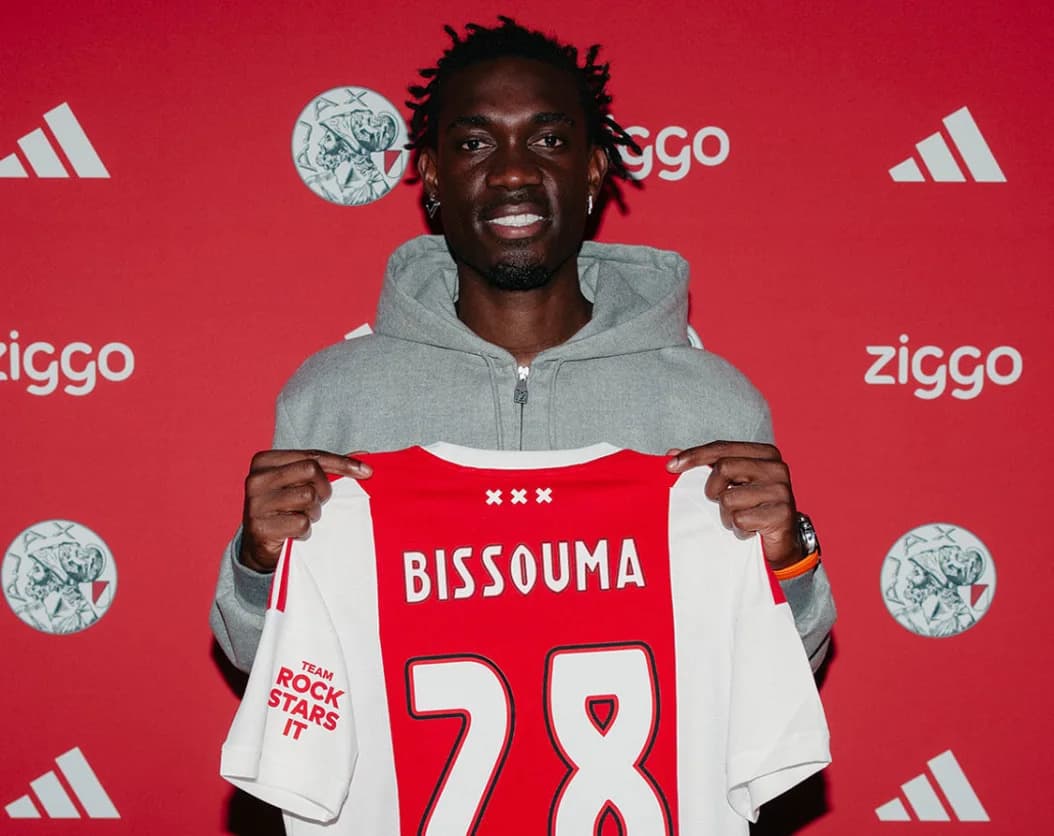
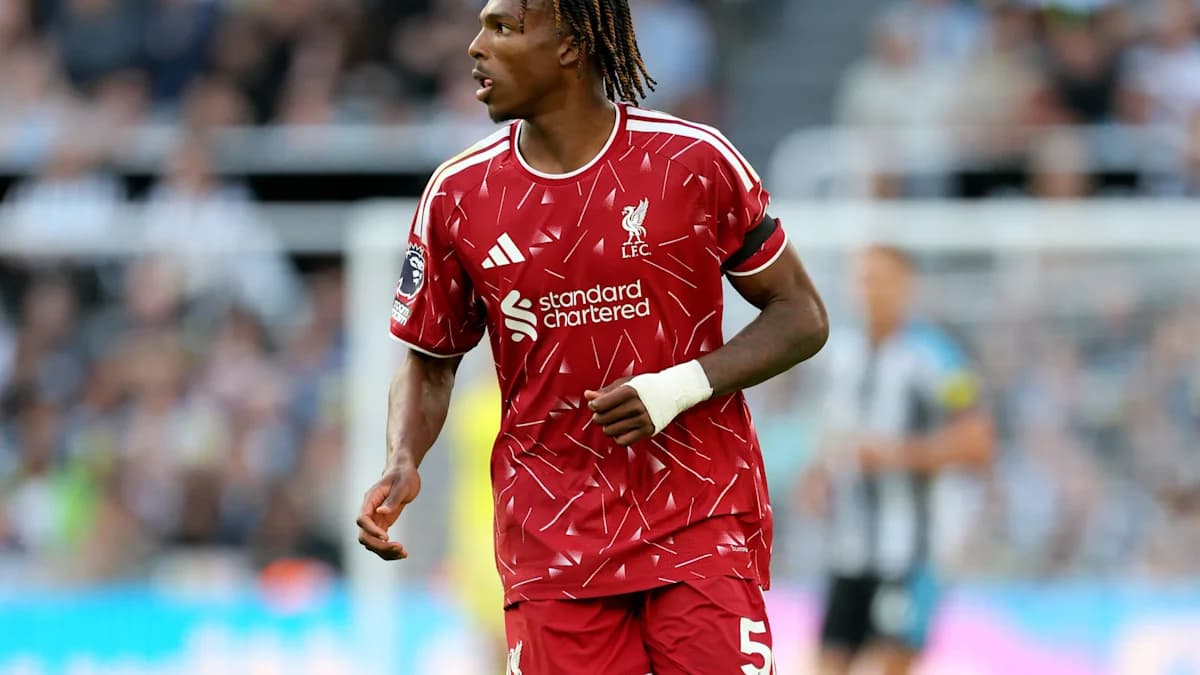
Omari Hutchinson, Douglas Luiz and Oleksandr Zinchenko arrived with strong reputations and expectations to match. None managed to stamp their authority on the side or deliver the transformative impact Forest had banked on. Supporters voiced their frustration; pundits questioned the strategy. The criticism stuck.
For a man whose name had become synonymous with smart squad building in North London, the contrast was stark.
From Invincible to vulnerable
Edu’s stock had rarely been higher when he walked into the City Ground. As a player, he was part of Arsenal’s iconic 2003-04 “Invincibles” – a midfielder trusted by Arsène Wenger in one of the Premier League’s greatest sides.
He returned to Arsenal in 2019 as the club’s first technical director, a key figure behind the decision to appoint his former teammate Mikel Arteta later that year. His influence grew, and in November 2022 he was promoted to sporting director, helping to reshape the squad and restore Arsenal as title contenders before his surprise resignation in November 2024.
Before his high-profile roles in European football, Edu had already built a substantial administrative résumé. He spent five years as director of football at Corinthians, briefly advised the Iran national team in 2014, and then served three years as general coordinator for the Brazil national side.
Those posts built the image of a polished operator, equally at home in boardrooms and dressing rooms. Forest was supposed to be the next chapter in that story – the project where he married experience and ambition to lift a club into a new era.
Instead, it has become the outlier in an otherwise upward career: a season of instability, misfires in the transfer market and a revolving door of managers that ended with his role quietly erased.
Now Forest move on under a different internal power structure, and Edu, once one of the most coveted executives in the game, is left to decide where – and how – he rebuilds his reputation.