England Adopts Palm-Cooling Technology for World Cup Heat
England’s World Cup preparations in the United States are not just about shape, set-pieces and sharpness. They are about survival in the heat.
With forecasts suggesting that at least a third of the tournament’s matches will be played in temperatures above 26C, England’s staff have turned to a striking piece of sports science: high-tech palm‑cooling devices designed to drag down core body temperature and keep players fresher for longer.
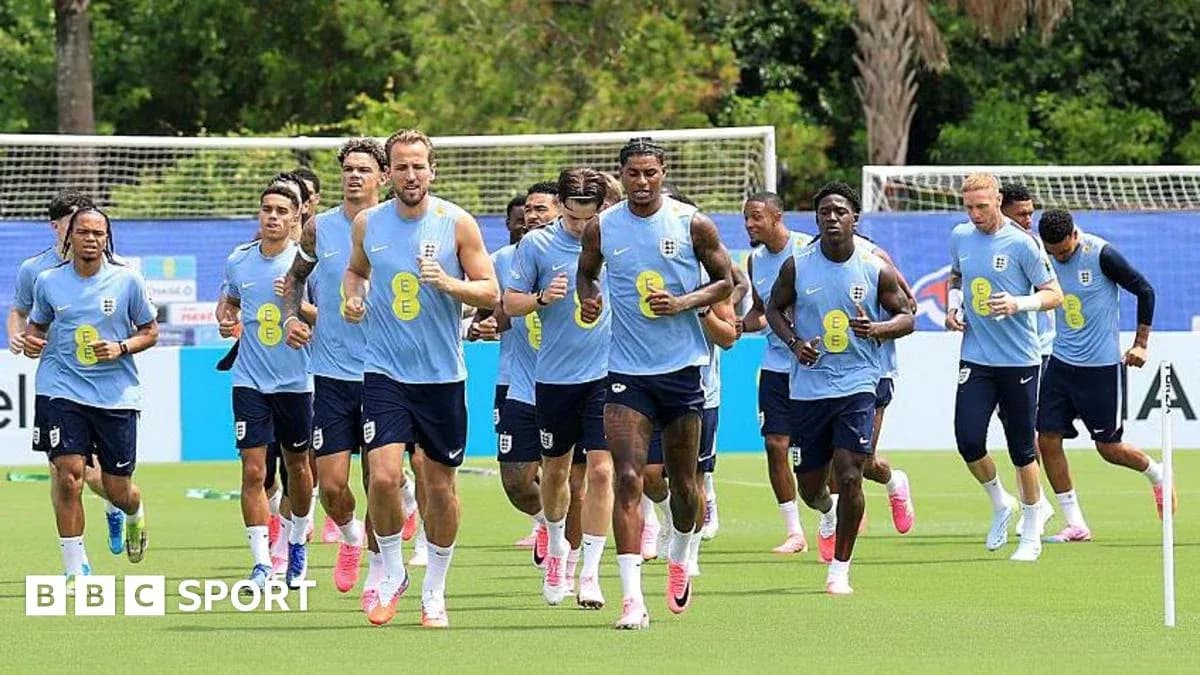
On Tuesday, the thermometer hit 32C during England’s opening training session in West Palm Beach, Florida. The air was thick, the humidity unforgiving. This is the reality they expect to face when the World Cup begins, and it is why the sight of players gripping futuristic cooling handles between drills is becoming part of the new normal.
Science in the palms of their hands
The technology, already in use at elite clubs such as Manchester United, targets one of the body’s key heat‑exchange areas: the palms. Research indicates that cooling the hands can significantly reduce core temperature, speeding up recovery between intense efforts and helping players sustain high performance levels over 90 minutes and beyond.
England intend to deploy the devices during training and at the scheduled water breaks in matches. The idea is simple: if the body runs cooler, the mind stays sharper, decision‑making improves, and late‑game fatigue bites that little bit less.
The move underlines how much detail is going into this campaign. This is not just about ice baths and shaded tents at pitchside; it is about building every possible marginal gain into the daily routine.
“Building capacity to the conditions”
For the players, this first week in Florida is about adaptation as much as tactics. Asked about the importance of acclimatising, Jordan Henderson was clear that the group is being pushed with a purpose.
He described the opening days as a period to “build capacity to the conditions”, stressing that the upcoming warm‑up fixtures will form a crucial part of that process. The Brentford midfielder highlighted the “team behind the team” for their “top level research” on “cool down and recovery”, underlining how heavily England are leaning on their sports science department.
“Hopefully that can give us a little edge when we get into the tournament,” he said, capturing the mood of a camp searching for every legal advantage in a tournament where small details often decide big nights.
Warm-ups before the real heat
England’s schedule in the US offers a controlled escalation. They face New Zealand on Saturday, 6 June (21:00 BST), then Costa Rica on Wednesday, 10 June (21:00). Both matches are more than simple friendlies; they are live rehearsals in the very conditions that could define their World Cup.
Those games will allow the staff to test not only formations and partnerships, but also how players respond physically to the heat, how often the cooling devices are needed, and which individuals benefit most from them.
After that, the stakes rise sharply. Thomas Tuchel’s side open their World Cup campaign against Croatia on Wednesday, 17 June (21:00), before meeting Ghana on 23 June (21:00) and Panama on 27 June (22:00). Three group games, all in demanding conditions, all likely to punish any side that mismanages its energy.
England have been accused in past tournaments of arriving undercooked or overworked. This time, as players step off the training pitch in Florida and reach instinctively for those palm‑cooling grips, the message is clear: if the heat is going to be a decisive factor, they intend to be ready for it.