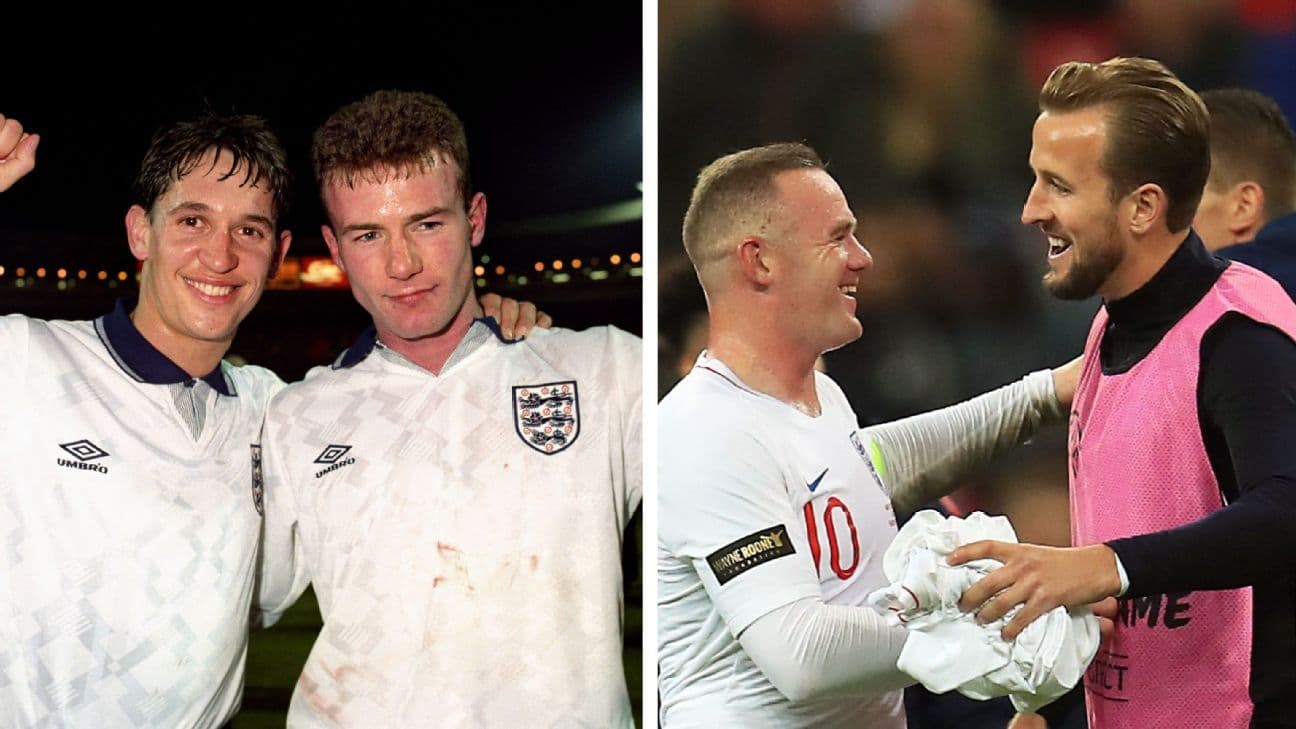
Has England's Era of Elite Strikers Reached Its End with Harry Kane?
For over four decades, England has boasted a world-class striker leading the line—from Gary Lineker to Wayne Rooney, and now Harry Kane. This summer at the 2026 World Cup, Kane will carry the hopes of a nation, but many wonder if he might be the last of his kind to wear the Three Lions' number nine shirt.
Kane’s absence in recent matches against Uruguay and Japan revealed just how much England depends on their talismanic forward. The team appeared unsettled and struggled without him, hinting at a daunting future once he steps away. Fans have rarely faced the prospect of England lacking a top-tier striker since 1984, when Gary Lineker first took over from Tony Woodcock. Since then, the country has enjoyed an unbroken run of elite forwards playing every major tournament from 1986 onward.
Decades of Striking Excellence
This lineup—including Lineker, Alan Shearer, Michael Owen, Rooney, and Kane—has scored 249 international goals combined, won two World Cup Golden Boots, and amassed numerous club accolades. These stars were often supported by reliable forwards like Teddy Sheringham, Les Ferdinand, Ian Wright, Robbie Fowler, Emile Heskey, Jermain Defoe, and Peter Crouch.
"The No. 9 back in the day was the role everyone wanted to play," says Emile Heskey. "It was about goals, hold-up play, all of that." He adds, "Playing with someone like Wayne Rooney meant adapting constantly to help him get on the ball. It was challenging but rewarding."
Comparing England’s Striker Tradition to Other Nations
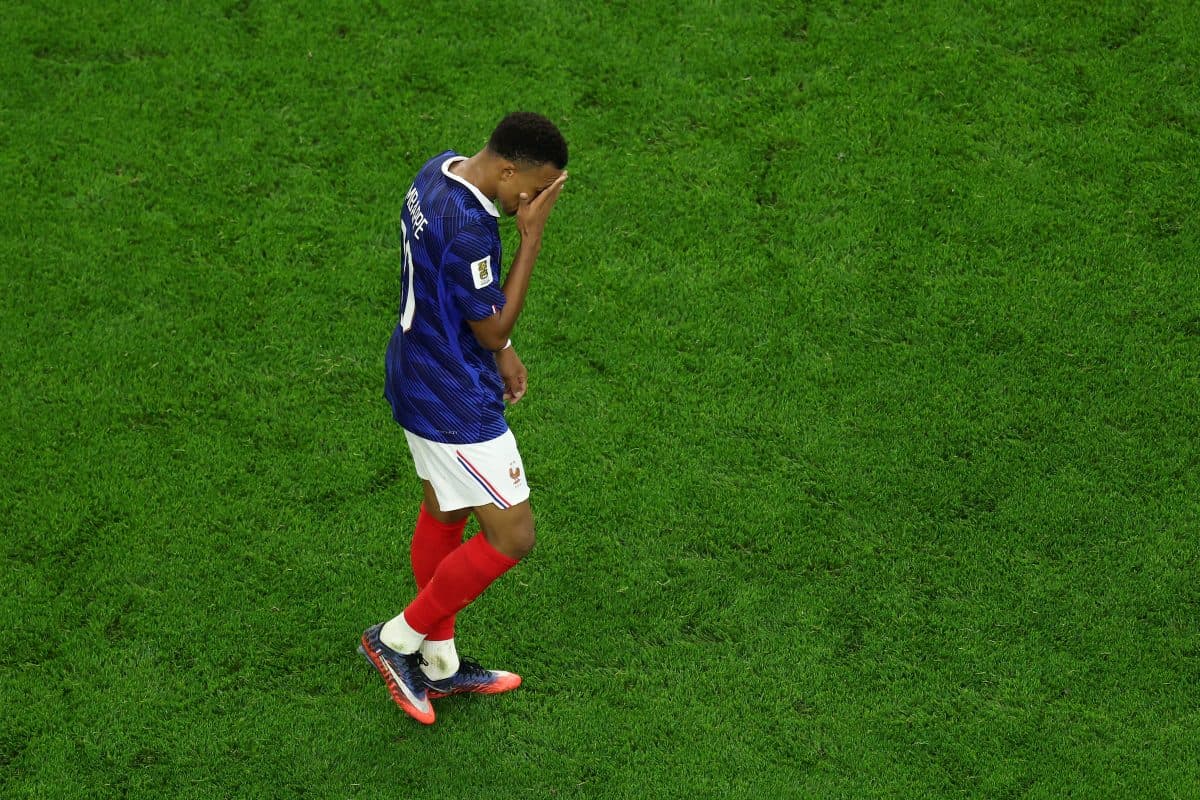
England’s consistency in producing top strikers is rare. France has a comparable list of forwards—Papin, Cantona, Henry, Trézéguet, Benzema, Mbappé—though with a notable gap in the 1990s. Their talent translated into World Cup victories in 1998 and 2018. Spain dominates in midfield, boasting a long line of elite playmakers from Guardiola to Pedri. Italy’s storied run of legendary center-backs ended recently after missing three consecutive World Cups. Each country’s enduring excellence in one position has shaped their football identity and contributed to tournament successes—except England, whose prolific strikers have yet to bring home the ultimate prize.
The Future After Kane Looks Uncertain
Despite Kane’s mixed Champions League record with Bayern Munich, his Bundesliga scoring rate remains impressive, tallying 95 goals in 93 matches. Bayern fans have welcomed him as one of their best forwards ever, but his move abroad also exposed England’s shortage of proven Premier League strikers.
Only three English forwards reached double digits in Premier League goals this season—Ollie Watkins (16), Dominic Calvert-Lewin (14), and Danny Welbeck (13). All are in their late twenties or thirties, overlapping with Kane’s peak years. Ivan Toney has thrived in Saudi Arabia with 31 goals, but he is unlikely to take over the national striker role long-term.
The next generation shows few signs of filling Kane’s shoes. England’s under-21 squad recently featured just two strikers, Liam Delap and Jay Stansfield. Delap, once highly rated, has struggled in his first Chelsea season with only one league goal.
The decline in traditional number nines traces back to the Premier League’s global expansion, which shifted clubs’ focus to foreign talent and versatile attacking players like Marcus Rashford and Raheem Sterling. Still, strikers are making a slow comeback, with players like Erling Haaland and Alexander Isak bringing renewed interest in classic striking roles.
Looking back, Wayne Rooney seemed like the end of England’s golden era when he neared retirement, but Kane emerged to revive hope. Emile Heskey reminds us that expecting another identical star is unrealistic:
"We never got another Michael Owen, Wayne Rooney, or Alan Shearer. We just changed the canvas."
Maybe England’s approach to strikers will evolve rather than repeat past patterns. For now, the question remains: can anyone step up when Kane finally hangs up the boots for good?