Feyenoord's Transfer Window Mismanagement Exposed
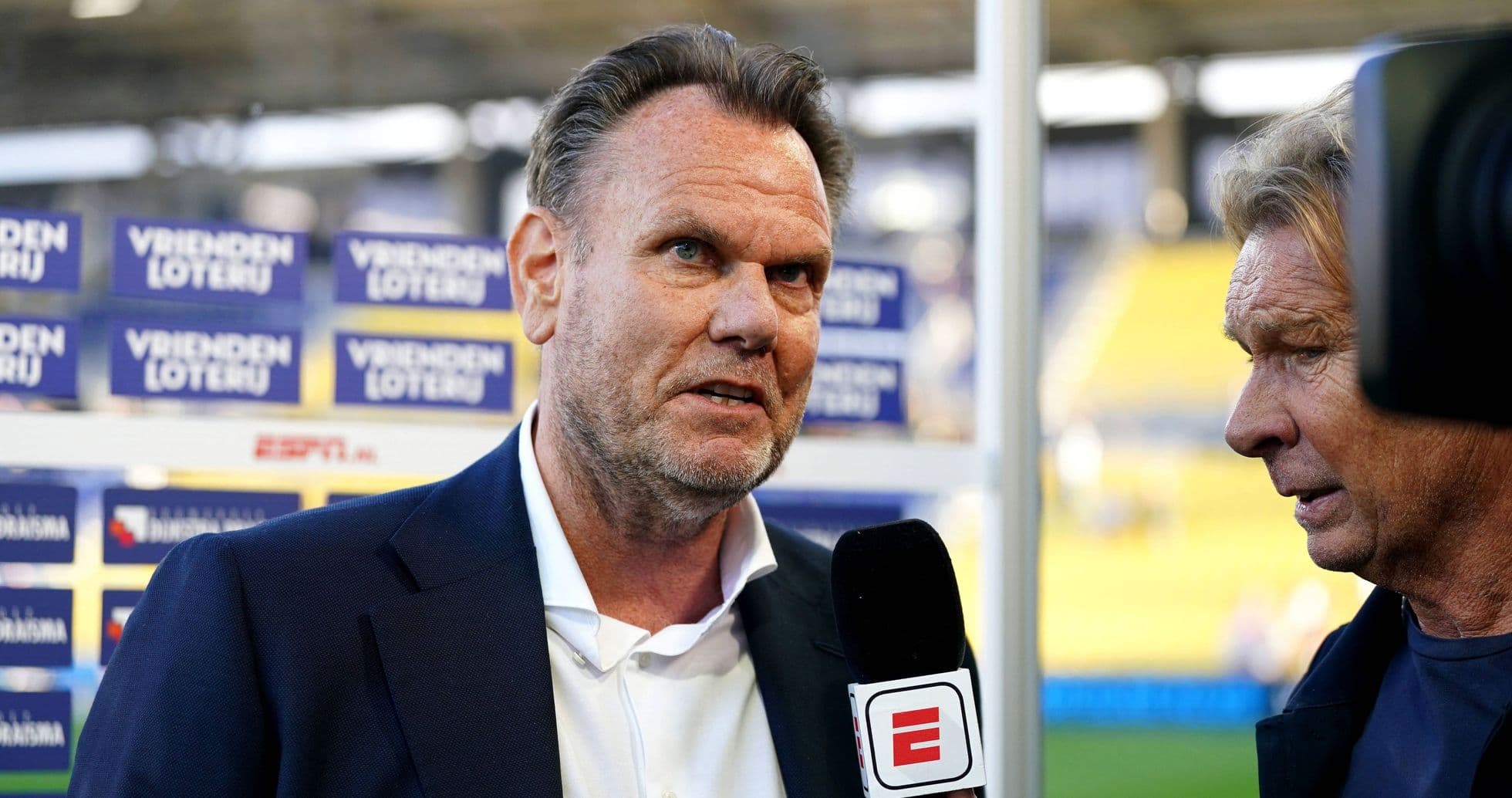
The knives were out for Feyenoord’s leadership on Monday, as Mike Verweij and Valentijn Driessen tore into the club’s handling of the transfer window on De Telegraaf’s Kick-Off podcast. Their conclusion was blunt: technical director Dévy Rigaux and general director Robert Eenhoorn squandered a crucial market.
Verweij argued that Rigaux, who had previously taken aim at former strongman Dennis te Kloese, has little ground to stand on after this window.
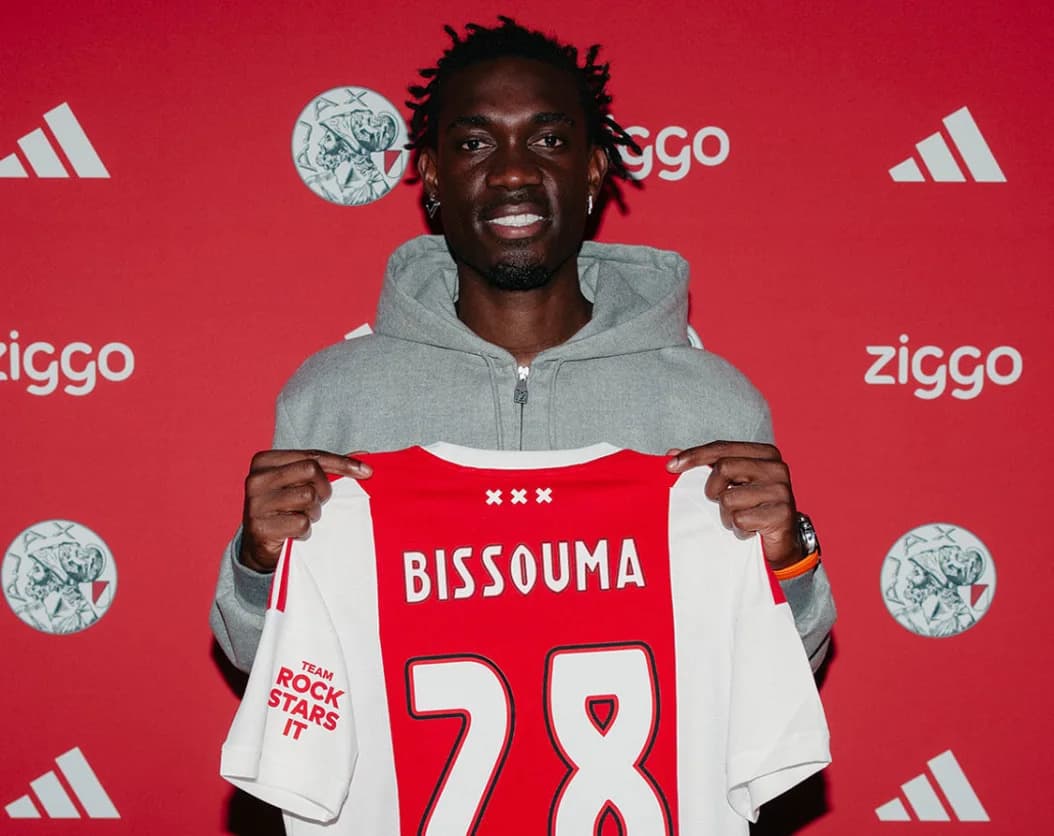
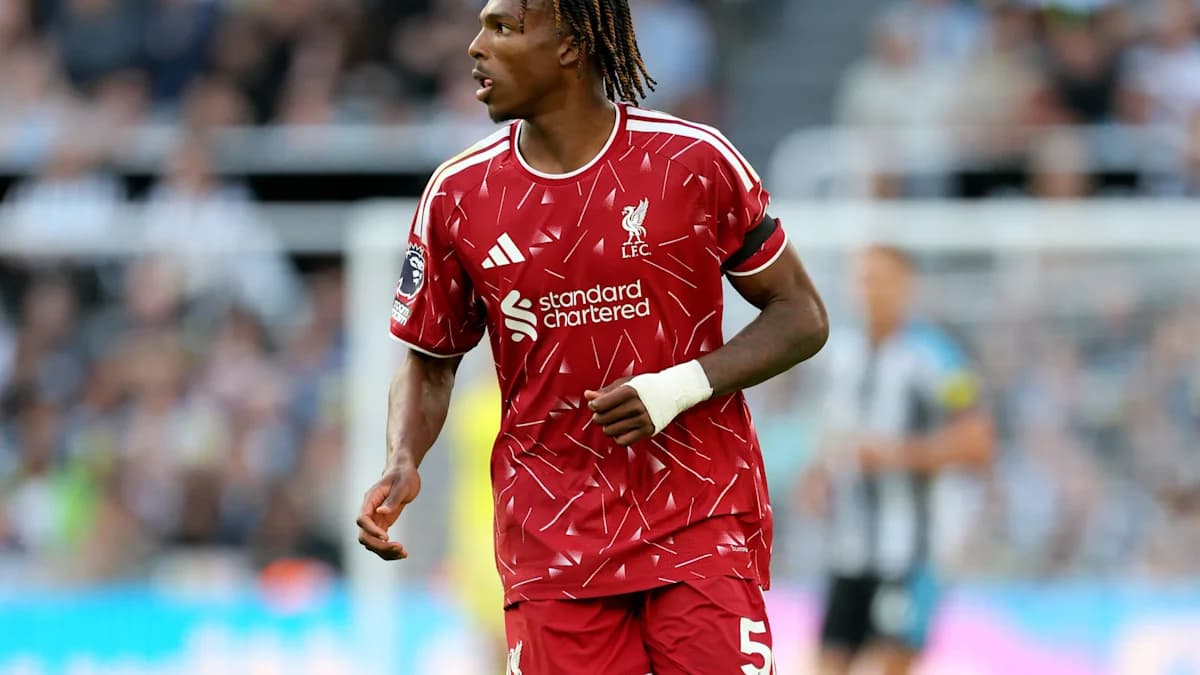
“Rigaux has taken a huge swipe at his predecessor Te Kloese,” Verweij said. “But now it turns out that Te Kloese, with the money for Hadj Moussa included, had 40 million. There was a bid of 25 million for Ueda, who was sold far too cheaply to Lille OSC. And Read could almost have risen to 35 million. And Hull City bid 20 million for Targhalline.”
In other words, Feyenoord were sitting on a potential goldmine.
According to Verweij, the Rotterdam club failed at the most basic task: cashing in at the right moment.
“If they had simply done their job and sold the right players, Feyenoord would for the time being have had a great deal of financial resources,” he continued. “That same Te Kloese put together a squad there that was worth around €120 million. So I think Rigaux and Eenhoorn did something wrong in this transfer window. If they had sold Read immediately, they could have been much more effective in the transfer market.”
Friends of Feyenoord in the firing line
Driessen then widened the lens. For him, the failed deals cannot be separated from the club’s ownership structure and the powerful Friends of Feyenoord group.
“It all comes back to the Friends of Feyenoord again,” he said. “They have 49 per cent of the shares. And the moment Feyenoord pay €17.5 million, they lose 25 per cent. And in two years' time, again.”
The financial mechanics matter here. Feyenoord are, according to Driessen, tied to obligations that kick in when the club posts a big profit on transfers.
“Feyenoord are also obliged to buy part of the shares if they post a positive transfer balance in a transfer window. And they certainly would have done that if one of those transfers had gone through. Then that transfer balance would have been so high that they would have been obliged to buy part of the Friends' purchases.”
That is where Driessen sees a clear conflict of interest. The Friends of Feyenoord, he claims, simply do not want to be bought out.
He doesn’t stop there.
“The Friends of Feyenoord do not want out. And Eenhoorn came in at the request of the Friends. He is their favourite, and became director. So he is not going to go against those Friends. Eenhoorn allowed himself to be influenced into not letting the Hadj Moussa transfer go through,” Driessen stated, directly accusing Feyenoord’s technical boss of bowing to shareholder pressure.
The Hadj Moussa saga
Inside the club, the explanation for Hadj Moussa’s failed move to Al-Ittihad has been linked to a rejected bank guarantee. Driessen flatly rejects that as the decisive factor.
“It concerns a €40 million transfer. It concerns Saudi Arabia, just ask Ajax. They have always had the money and are solvent.”
He paints a picture of a club dragging its feet rather than one paralysed by financial doubts.
“Feyenoord were also hardly reachable by phone, it was very difficult to get in touch with them. It was dragged out for a very long time, and in the end the medical could no longer take place,” Driessen said.
For him, that is no coincidence but a pattern that fits the power structure behind the scenes.
“Robert Eenhoorn is simply an extension of the Friends of Feyenoord. He is their mate. The moment someone puts you forward and you can serve their interests, that happens nine times out of 10. He has previously made it known that he is not exactly eager to buy out the Friends. And then you remain stuck with those Friends.”
The numbers are stark: missed bids, blocked exits, and a transfer balance that stayed just low enough to avoid triggering share buy-back obligations. The question now is whether Feyenoord have merely stumbled in one window, or whether the club’s ownership model has become a handbrake on its own ambition.