Five Major Overreactions After USA’s World Cup Exit: Christian Pulisic, Mauricio Pochettino, and Unrealistic Hopes
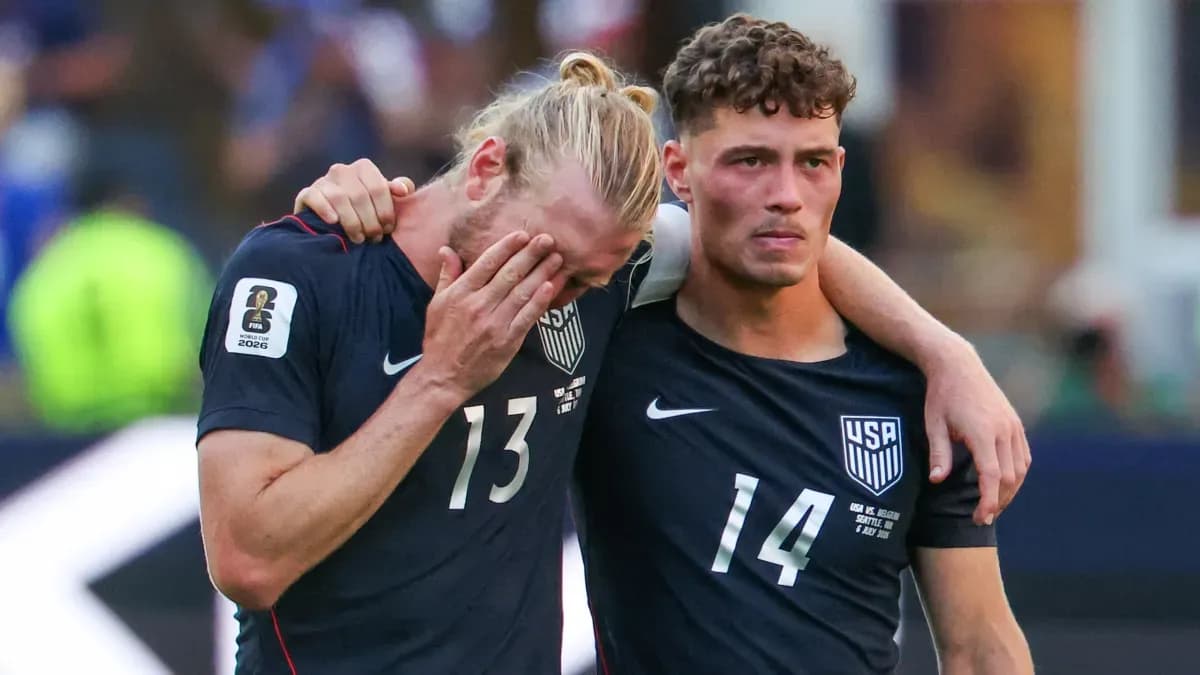
The United States men’s national team suffered a harsh 4-1 loss to Belgium in the Round of 16, ending their 2026 World Cup run abruptly. This result sparked widespread commentary, much of it exaggerated or misplaced. Experts Mike DeCourcy and Kyle Bonn weigh in on five key overreactions that followed the defeat.
1. Were Expectations for the USMNT Too High?
Mike DeCourcy: Expectations weren’t excessive. Historically, the U.S. has only reached the quarterfinals once in the modern era, with Round of 16 exits in 2010, 2014, and 2022. Some fans hoped for more, but few believed the team would reach the final at home. The strong group stage performances—like the 4-1 win over Paraguay and resilience after Balogun’s red card—created hope, but the team’s poor showing against Belgium showed they lacked confidence and cohesion.
Kyle Bonn: The hopes were realistic. Fans wanted to see this talented squad prove themselves against top-ranked teams, aiming to win a Round of 16 match. Belgium, despite being a strong opponent, was missing some key stars. It wasn’t crazy to expect the U.S. to challenge them, not to win the tournament. The disappointment is more about the team falling short than expectations being too high.
2. Christian Pulisic’s World Cup Performance
DeCourcy: Pulisic has had ups and downs internationally. Despite being the most decorated American player with major European titles, he struggled in this tournament’s knockout game. His earlier performances were strong, even when injured. But against Belgium, he looked out of his depth. He shares responsibility for the defeat but was far from alone.
Bonn: Pulisic was expected to lead but never fully embraced the role. Early on, he shone in friendlies and the group stage. Yet in the pressure of the knockout round, he seemed overwhelmed and hesitant to take charge. His reserved nature didn’t help him rise to the occasion. While he wasn’t worse than his teammates, he wasn’t the savior many hoped for either.
3. Is Youth Soccer to Blame for USMNT’s Shortcomings?
DeCourcy: Youth development in the U.S. faces challenges, especially high costs at younger ages. MLS academies have improved access and quality, with over 70% of this World Cup squad having come through these programs. Progress has been made, but the Belgium loss exposes remaining gaps.
Bonn: The system remains fragmented. Pay-to-play limits opportunities for many, but other pathways are also flawed. MLS academies have advanced but aren’t universal. College soccer isn’t ideal for developing top talent anymore. Without a centralized structure, U.S. Soccer needs to modernize and broaden access to produce consistent world-class players.
4. Was Belgium Simply a Superior Team?
DeCourcy: Belgium’s lineup wasn’t packed with superstars. Key players like De Bruyne were benched. Their coach was recently fired from Napoli. Despite that, Belgium dominated the U.S. on this night. Players like Tielmans and De Ketelaere performed well, but the U.S. should have competed better given the circumstances.
Bonn: Belgium was clearly better on the day and in general, as reflected in their convincing wins over the U.S. Still, the match felt winnable if the U.S. had played at their best. Belgium’s stars were past their peak, and the team lacked consistency. The U.S. failed to capitalize on those weaknesses, making the defeat disappointing rather than inevitable.
5. Did Mauricio Pochettino Get Outcoached?
DeCourcy: Pochettino faced a tough task reshaping the USMNT since taking charge in late 2024. He worked to change the team culture and tried different lineups. Although he built a creative, attacking style, the plan collapsed against a more aggressive opponent like Belgium. Whether he could deliver a full solution with more time remains uncertain.
Bonn: Pochettino improved the program and introduced effective tactics, especially against lesser teams. But Belgium’s coach, Rudi Garcia, outmaneuvered him tactically. Belgium packed the midfield and exploited U.S. defensive weaknesses. Pochettino isn’t a miracle worker; he needs more time to refine his approach and strengthen the team.
These reflections suggest the U.S. team’s struggles stem from multiple factors. Maybe the disappointment overshadows the progress made. The next challenge is learning from this experience and building a stronger foundation for future tournaments.