FK Crvena Zvezda vs Hapoel Beer Sheva: UEFA Champions League Showdown
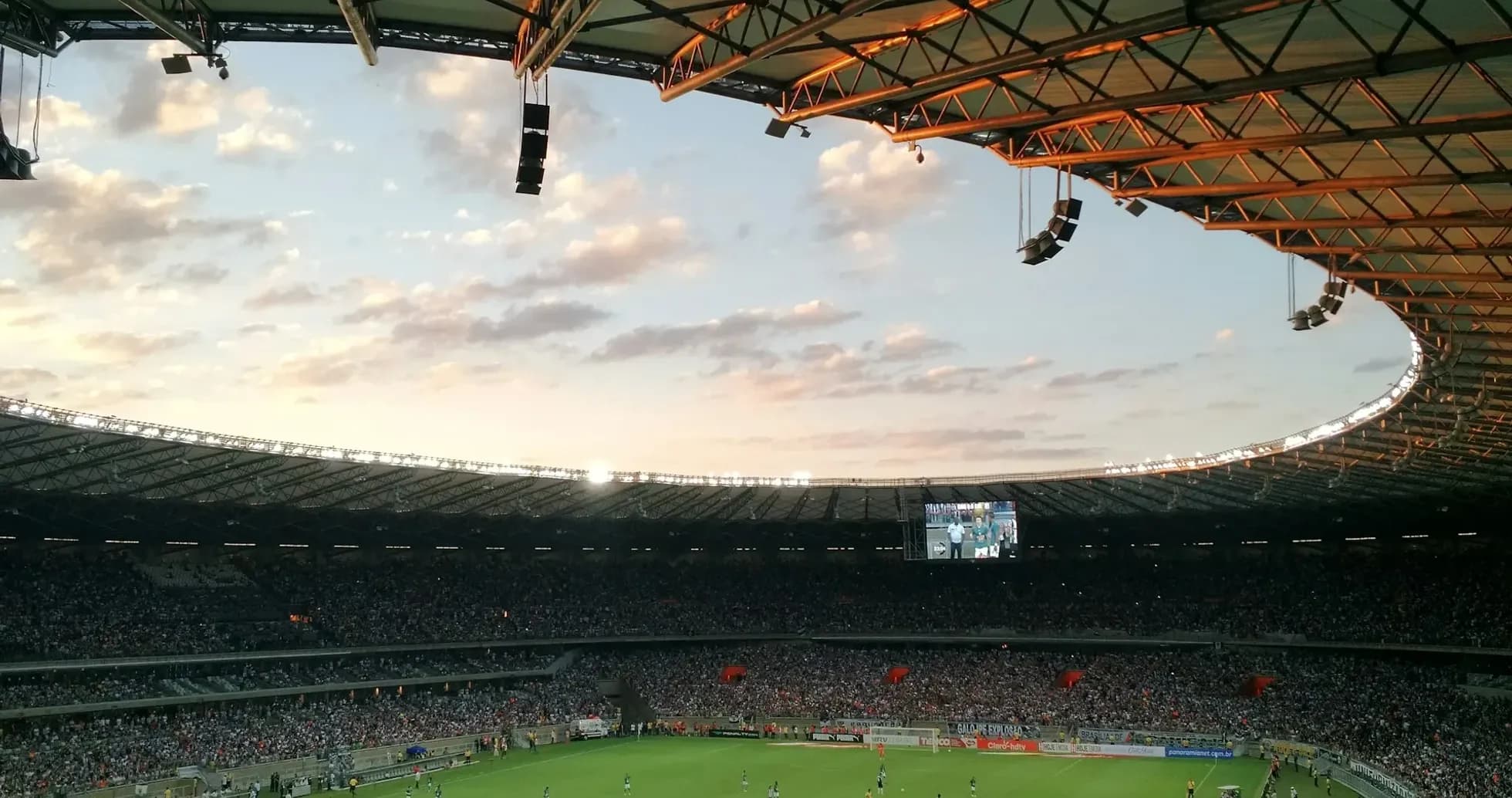
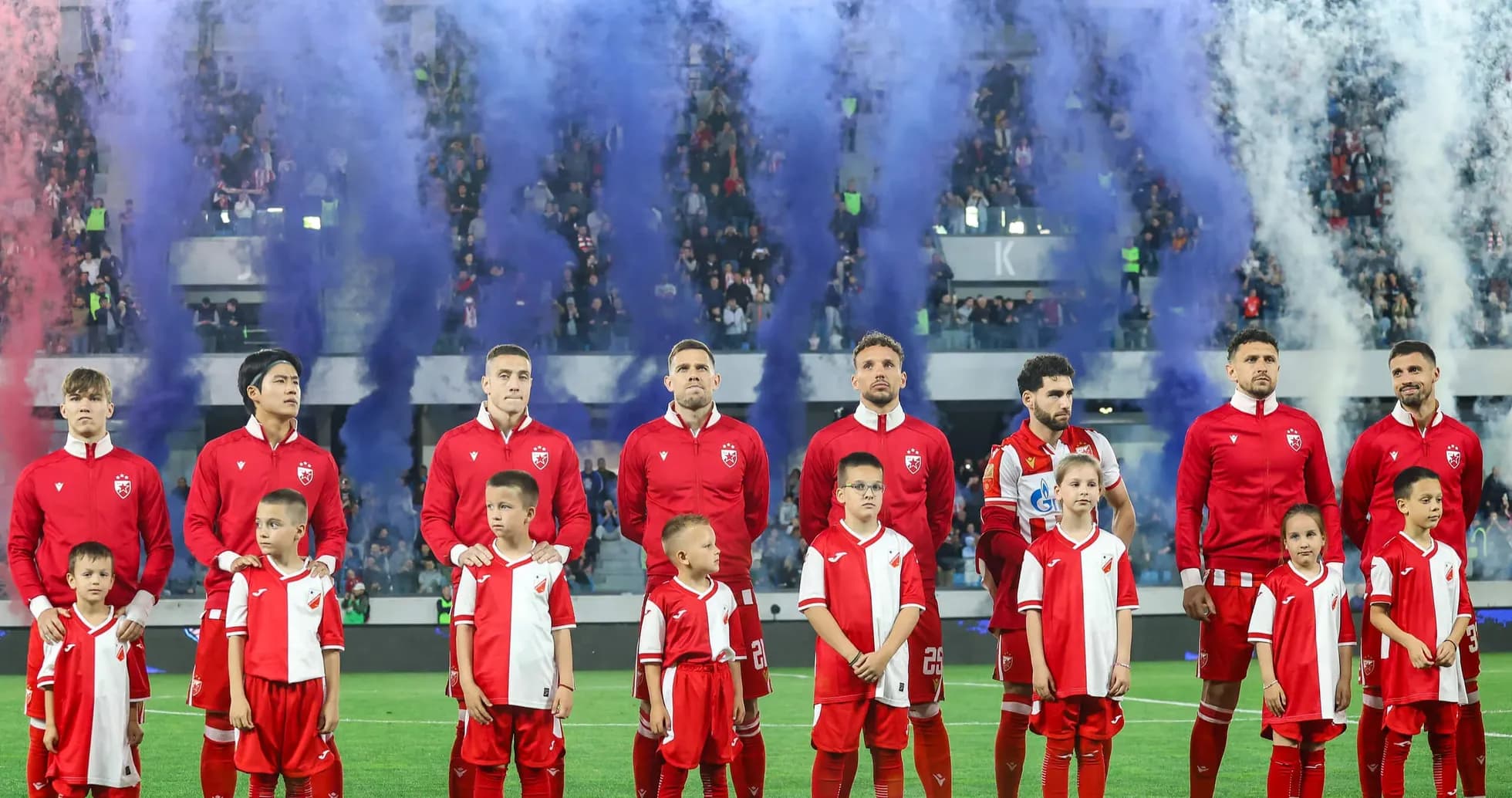
FK Crvena Zvezda host Hapoel Beer Sheva at Stadion Rajko Mit in Belgrade in the second leg of a 3rd Qualifying Round tie in the UEFA Champions League, a pivotal match that will decide who advances towards the lucrative playoff round and stays on track for the group stage.
Head-to-Head Tactical Summary
The sides have met once in this tie so far, on 4 August 2026 in Szombathely, where Hapoel Beer Sheva, playing as the home team, beat FK Crvena Zvezda 1–0. The match was controlled early by the Israelis, reflected in a 1–0 half-time lead that they then protected to full time. That single encounter sets the tactical baseline: Hapoel Beer Sheva have already shown they can keep Zvezda scoreless while finding a decisive goal themselves on neutral ground.
Global Season Picture
- League Phase Performance: There is no group-stage standings data yet for the 2026 UEFA Champions League, so current performance is best read through qualifying-round statistics rather than points or goal differences in a table.
- Season Metrics: In the league phase of this Champions League campaign so far, FK Crvena Zvezda have played 3 matches, winning 2 and losing 1, with 9 goals scored and only 1 conceded. That equates to a very aggressive attacking output (an average of 3 goals per match) combined with strong defensive control (0.3 goals conceded per match). Their biggest wins include a 5–0 home result and a 4–0 away victory, and they have kept 2 clean sheets. Disciplinary-wise, their yellow cards are spread across the match, with a notable spike late on (half of their cautions coming from the 76th minute onwards), but no red cards so far. Hapoel Beer Sheva have also played 3 matches, winning 2 and losing 1, scoring 4 goals and conceding 2. Their attack is more measured (1.3 goals per match), but they have been defensively secure, with 2 clean sheets and an average of 0.7 goals conceded per game. They rely on a consistent 4-3-3 setup and have shown discipline in attack (no penalties taken), though their card profile includes one red card in the 46–60 minute window and a cluster of yellows between minutes 46 and 75, indicating potential vulnerability around the start of the second half.
- Form Trajectory: FK Crvena Zvezda’s form string of “WWL” shows a strong start to qualifying with back-to-back wins before a setback, likely the 1–0 loss to Hapoel Beer Sheva, suggesting an upward curve that has just been checked. Hapoel Beer Sheva’s “LWW” pattern indicates they opened this campaign with a defeat but have since responded with two consecutive victories, including the first leg, signalling a team growing into the competition and arriving in Belgrade with momentum.
Tactical Efficiency
Across all qualifying matches so far, FK Crvena Zvezda’s statistical profile points to a high-ceiling, front-foot side: heavy scoring, large-margin wins, and two clean sheets out of three underline an efficient transition from chance creation to goals and from defensive structure to prevention of clear opportunities. Their use of two main formations (4-3-2-1 and 4-2-3-1) suggests tactical flexibility, allowing them to adjust pressing height and central overloads depending on opponent and game state. Hapoel Beer Sheva, by contrast, present as a more balanced and conservative unit in terms of output: they score less but concede little, leaning on a stable 4-3-3 that prioritises compactness and controlled progression. Their ability to shut out opponents in two of three matches, and to limit Zvezda to no goals in the first leg, indicates defensive efficiency even when their attacking numbers are modest. The card distributions add nuance: Zvezda’s late-game bookings hint at intensity and pressure phases as matches wear on, while Beer Sheva’s cluster of yellows and a red card just after half-time reveal a risk point where their aggression in duels can spill over, potentially opening the door for Zvezda to exploit numerical or psychological swings if they can force the tempo early in second halves.
The Verdict: Seasonal Impact
This second leg is season-defining for both clubs. For FK Crvena Zvezda, overturning the 1–0 deficit is essential to keep their Champions League pathway alive; failure to progress would push them into a lower-tier European route and significantly reduce both financial upside and competitive exposure in 2026. Their strong attacking metrics so far suggest they are capable of scoring the multiple goals likely required, but conceding even once would dramatically raise the difficulty given Hapoel Beer Sheva’s defensive record. For Hapoel Beer Sheva, protecting or building on their narrow advantage would mark a major step towards the group stage, validating their recent form upswing and solidifying their status as a disciplined, knockout-ready side. Progression from this tie would not only extend their European calendar deep into the year but also reshape their domestic season priorities around managing the load of continental football. In strategic terms, this match will likely define whether each club spends 2026 framed around the Champions League spotlight or recalibrates ambitions to secondary European competition, with knock-on effects for recruitment, revenue, and tactical evolution across the rest of the year.