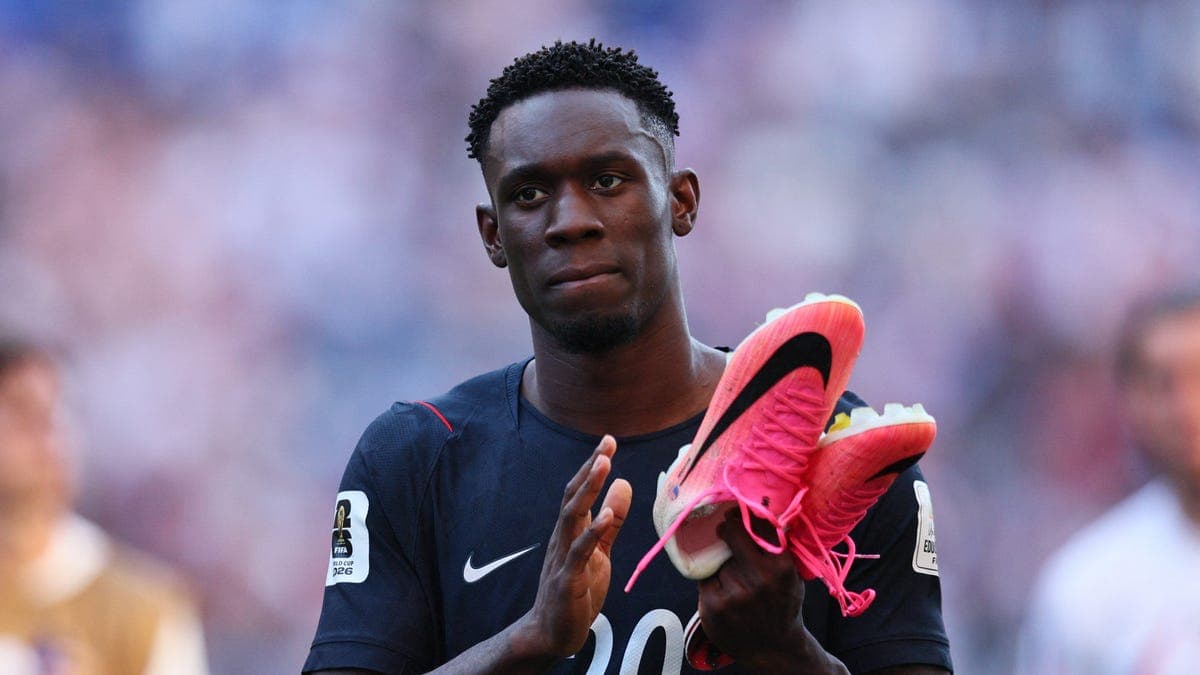
Folarin Balogun Reacts to World Cup Red Card Controversy
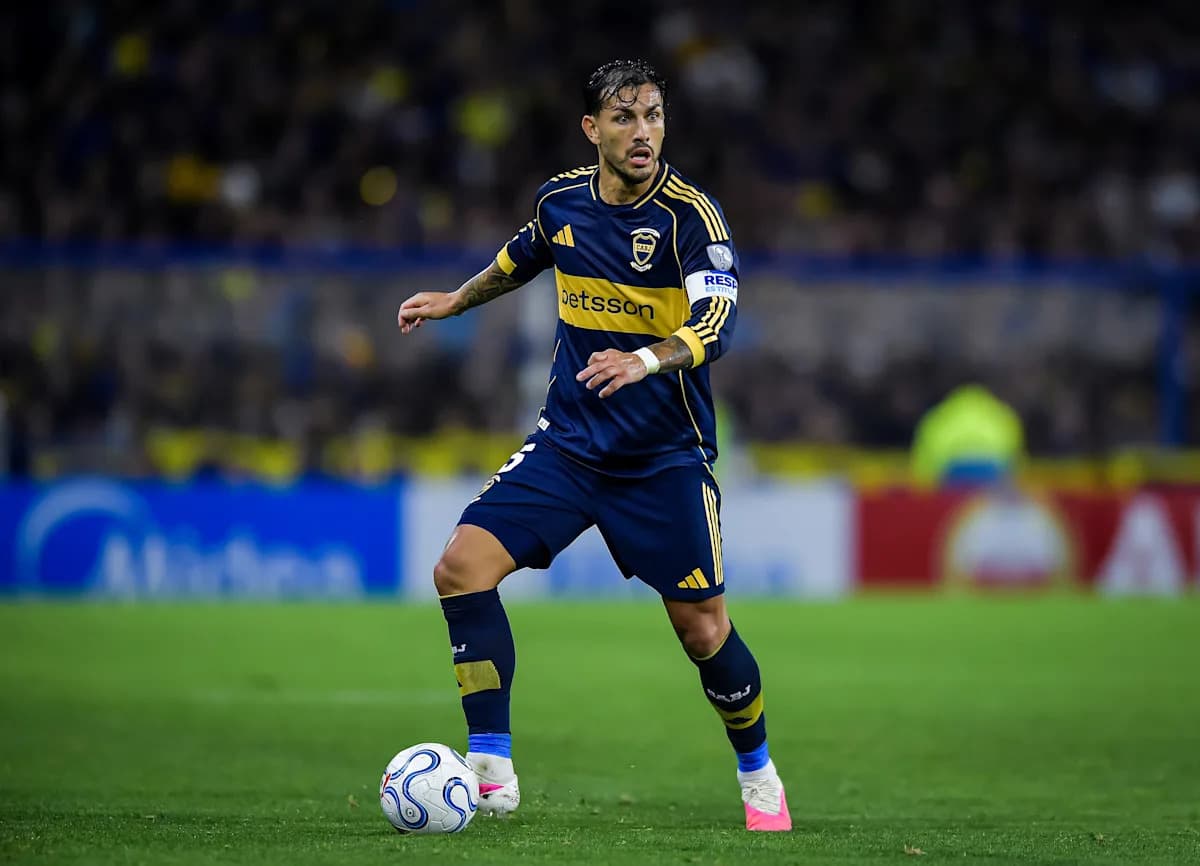
Folarin Balogun, a key player for the United States men's national soccer team, wasn’t caught off guard by the debate surrounding his sudden clearance to play in the World Cup round of 16. Despite having no role in the decision-making process, Balogun acknowledged the controversy but stayed focused on his role as a player.
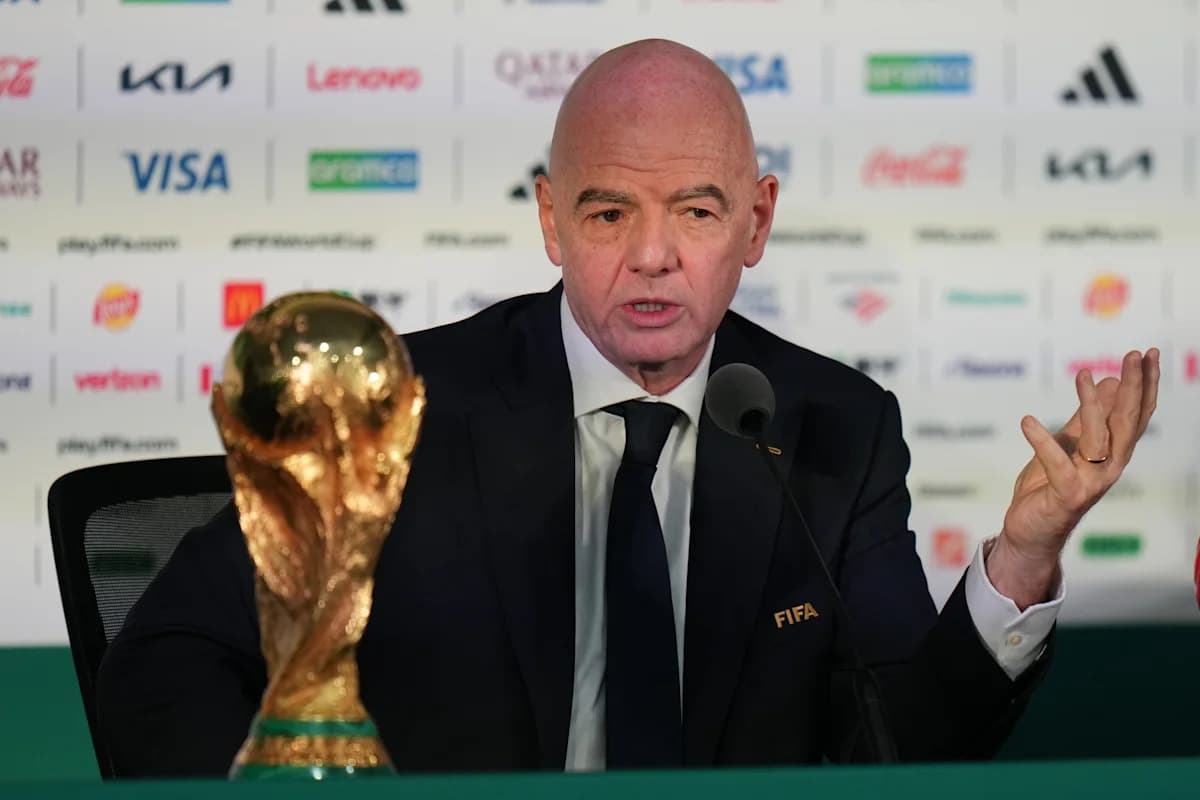
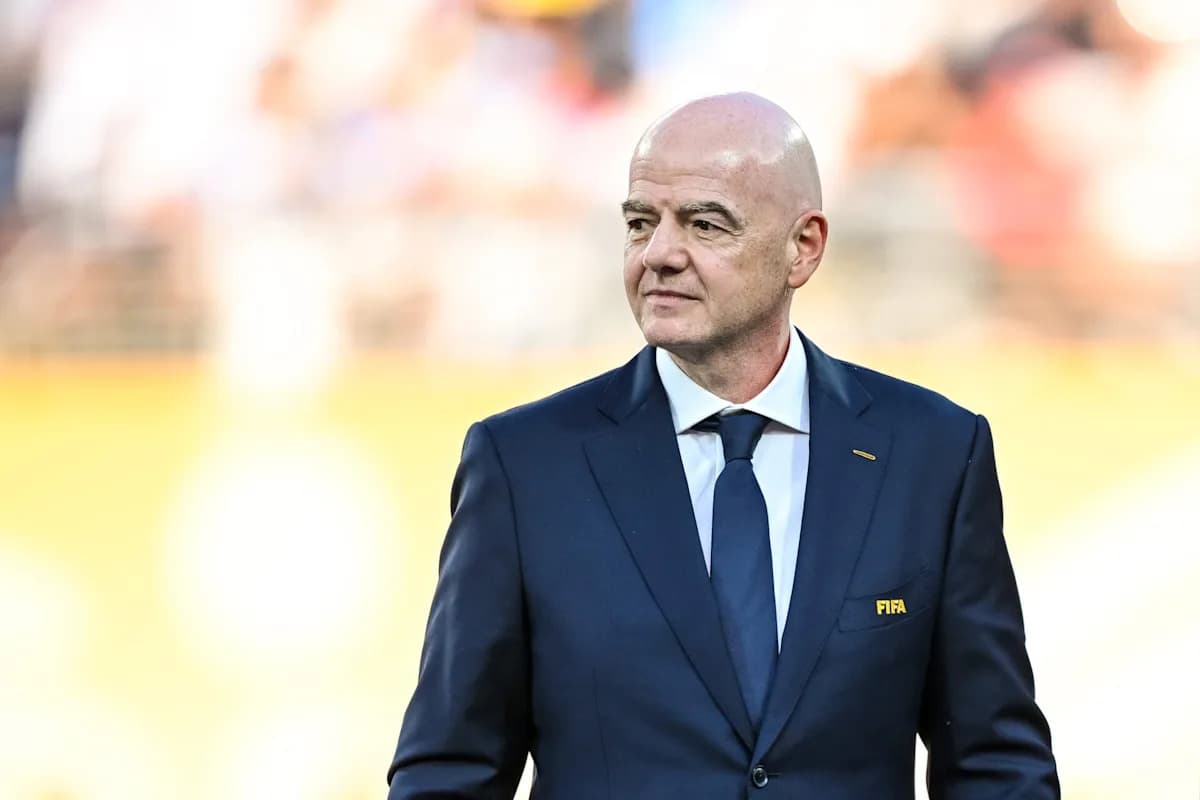
After receiving a red card during the round of 32 match against Bosnia and Herzegovina, FIFA initially imposed a one-game suspension on Balogun. This suspension was unexpectedly lifted just before the USMNT's next game against Belgium, allowing him to participate. The change stirred significant discussion, especially when reports surfaced that former President Donald Trump influenced FIFA President Gianni Infantino to overturn the ban.
"When that decision's overturned, of course it's going to be controversial," Balogun said. "For me, it didn't really surprise me too much. But as a player, my job is just to go out there and focus on my job."
FIFA’s standard protocol requires players who receive red cards to miss the following match, regardless of the tournament stage. Balogun accepted both the initial suspension and the later reversal without complaint, emphasizing his respect for the process despite knowing little about the behind-the-scenes discussions.
"I had to respect this protocol. I didn't know a lot about it. I accepted the decision when I was given the red card and I accepted the decision when I was told I was allowed to play. I didn’t have any involvement in the process," he explained.
Belgium Reacts to the Decision
Belgium’s soccer federation voiced disappointment over FIFA’s ruling. Their coach, Rudi Garcia, expressed his frustration shortly after the announcement, sarcastically noting the unusual timing of the decision.
"I thought the World Cup was in July, not April," Garcia remarked. "It’s now April Fools. We’re not defending the national team or the federation. We’re defending football."
Despite the tension around the suspension reversal, interactions between Belgium players and Balogun remained respectful. After Belgium’s 4-1 victory, Garcia and Balogun exchanged compliments. Garcia praised Balogun for handling the situation well and urged him to be proud of his World Cup performance.
"It’s not his fault. He’s not the one to blame, and I told him that," Garcia said.
Team Response to Political Influence
Questions about whether Trump's intervention cast a shadow over the U.S. team's performance came up repeatedly. Most players and head coach Mauricio Pochettino dismissed any idea that the political aspect affected the game itself. Pochettino shared his frustration with the media narrative, pointing out how mixing politics with sports can be damaging.
"In a personal way I feel so disappointed with too many people because mixed things, because they can put politics into it," Pochettino said.
The incident shifted attention away from the field and stirred debate beyond the sport, but Balogun maintained his focus on playing, keeping the controversy at arm’s length.