France and Spain's World Cup Clash Could Shape Football's Tactical Future
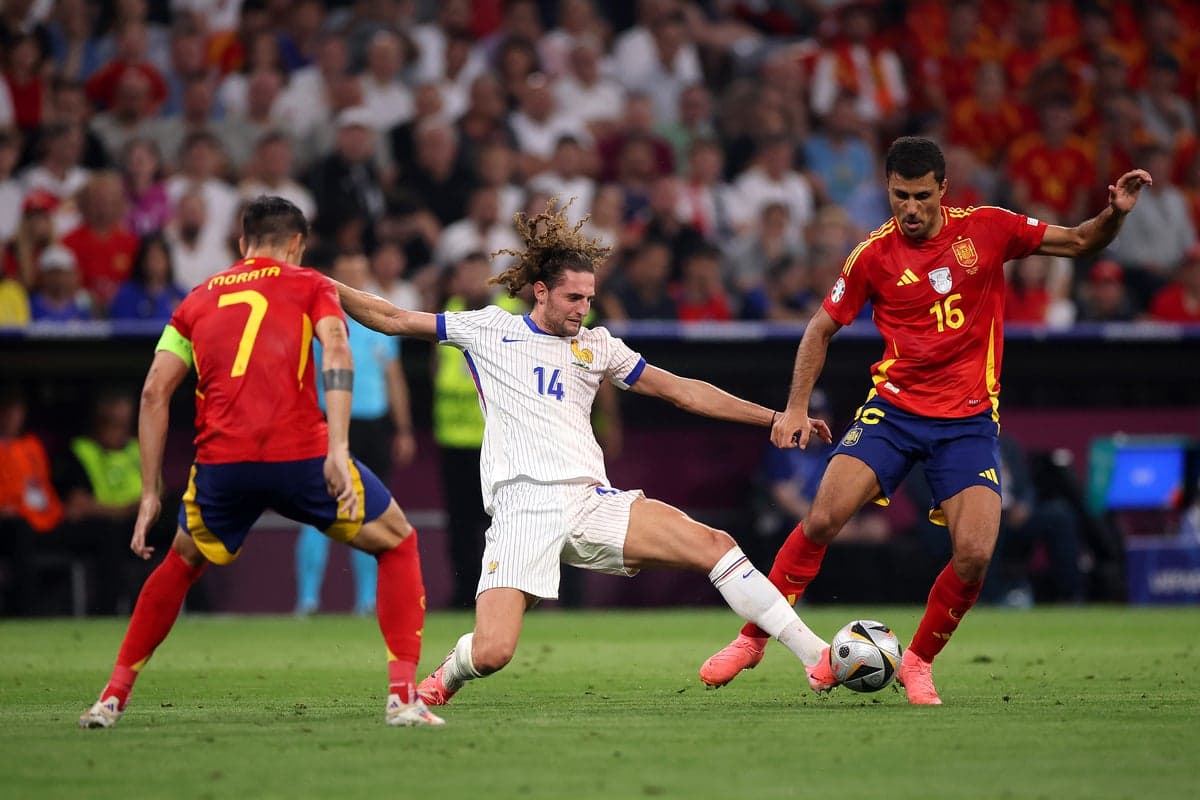
As France have advanced through the World Cup with a free-flowing attack, their coach Didier Deschamps has harbored concerns about the midfield battle ahead. Facing Spain, who operate with a three-man midfield, France's two-man setup might find itself outnumbered in a critical zone.
This tactical challenge has been at the forefront of Deschamps’ mind: should he adjust his approach to match Spain’s structure, or trust his forwards, who have already netted 16 goals in six matches?
Spain’s Tactical Precision vs. France’s Attacking Flair
Spain remain committed to their well-drilled tactical system, arguably the most complete at this tournament. Their cohesion limits individual stars like Lamine Yamal from standing out spectacularly, as each player operates within a finely tuned collective framework. This system has contributed to their remarkable defensive record, conceding just one goal.
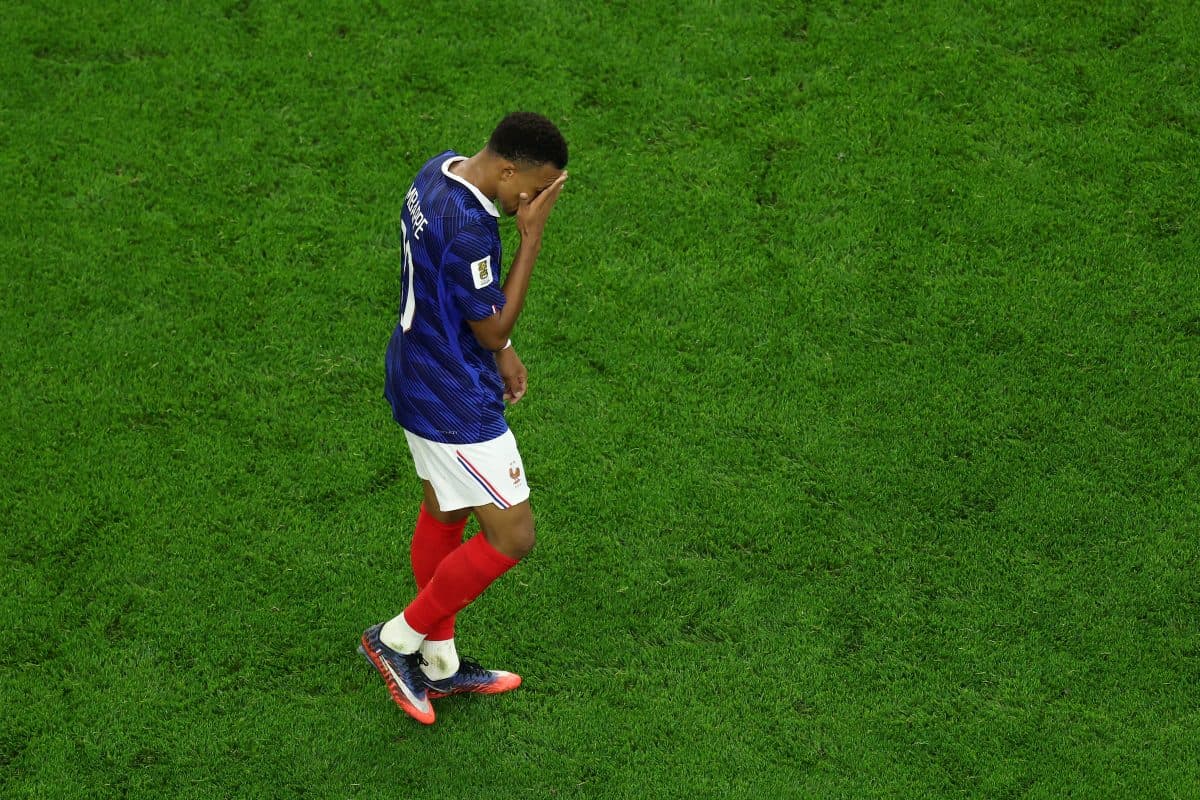
Defensively, Spain press high and recover possession swiftly—on average in 11.57 seconds—the fastest among quarter-finalists. Their defense starts upfront, leaving space behind that Kylian Mbappe and Ousmane Dembele will surely try to exploit.
A Battle Beyond Attack and Defence
This match is more than just the best attack against the best defence. Spain's possession often takes place near the opponent's box, while Deschamps releases his attackers from deeper positions, creating multiple tactical layers. This contrast defies simple labels.
The history between these neighboring nations adds depth. Past encounters, like the Euro 2024 semi-final where Adrien Rabiot called on Yamal to "do more," highlight their ongoing rivalry and contrasting football philosophies.
Changing Fortunes Since Euro 2024
In their last major meeting, Spain appeared youthful and dynamic, whereas France struggled offensively. The past two years brought significant changes. Spain’s key attackers faced fitness issues, forcing a more compact style that some critics call "boring." Meanwhile, France welcomed a wave of young talent turning them into entertainers again.
Players such as Michael Olise, Desire Doue, Bradley Barcola, and the Ballon d’Or winner Dembele have transformed the French side. Mbappe seems more liberated too. Deschamps, known for pragmatism, has built a team that contrasts sharply with his previous squads.
The Philosophical Duel: Positional Play vs. Individual Freedom
This game embodies a clash of football ideologies. Spain follow the "positional game," inspired by Pep Guardiola, emphasizing team shape and structure. Players like Yamal and Dani Olmo enjoy limited freedom within this framework.
France, by contrast, embrace "relationism," allowing attackers more personal interpretation and creativity. The matchup resembles an orchestra facing off against free jazz.
This raises questions about which style will influence future football tactics. Spain’s precise positional play is hard to replicate without their unique players. France’s method depends heavily on exceptional attacking talents.
Midfield Battles and Tactical Adjustments
France lack a classic defensive midfielder like Spain’s Rodri and rely on the industrious duo of Rabiot and Aurelien Tchouameni. This puts pressure on France to perform more in midfield despite their attacking strengths.
Expect Spain to control possession and move steadily forward, while France look to strike quickly on breaks. Observers at the quarter-final noted Spain’s backline showed vulnerability when pressed aggressively by Belgium, something France may try to exploit.
Endurance Under Pressure
Even after ending Spain’s clean sheet streak, Belgium couldn’t break their composure. Spain continued their disciplined play, a trait they will need to maintain against France’s star-studded front line to limit their influence.
This contest is far richer than a simple attack versus defence narrative. The tactical intricacies could have lasting implications for how football evolves.