Granit Xhaka Praises Sunderland Coach Régis Le Bris: The Small Arsène Wenger
Granit Xhaka has worked for some of the sharpest minds in modern football. Arsène Wenger, Unai Emery, Mikel Arteta, Xabi Alonso – all have trusted the Swiss midfielder to run their midfields across the Premier League, Bundesliga and Swiss Super League.
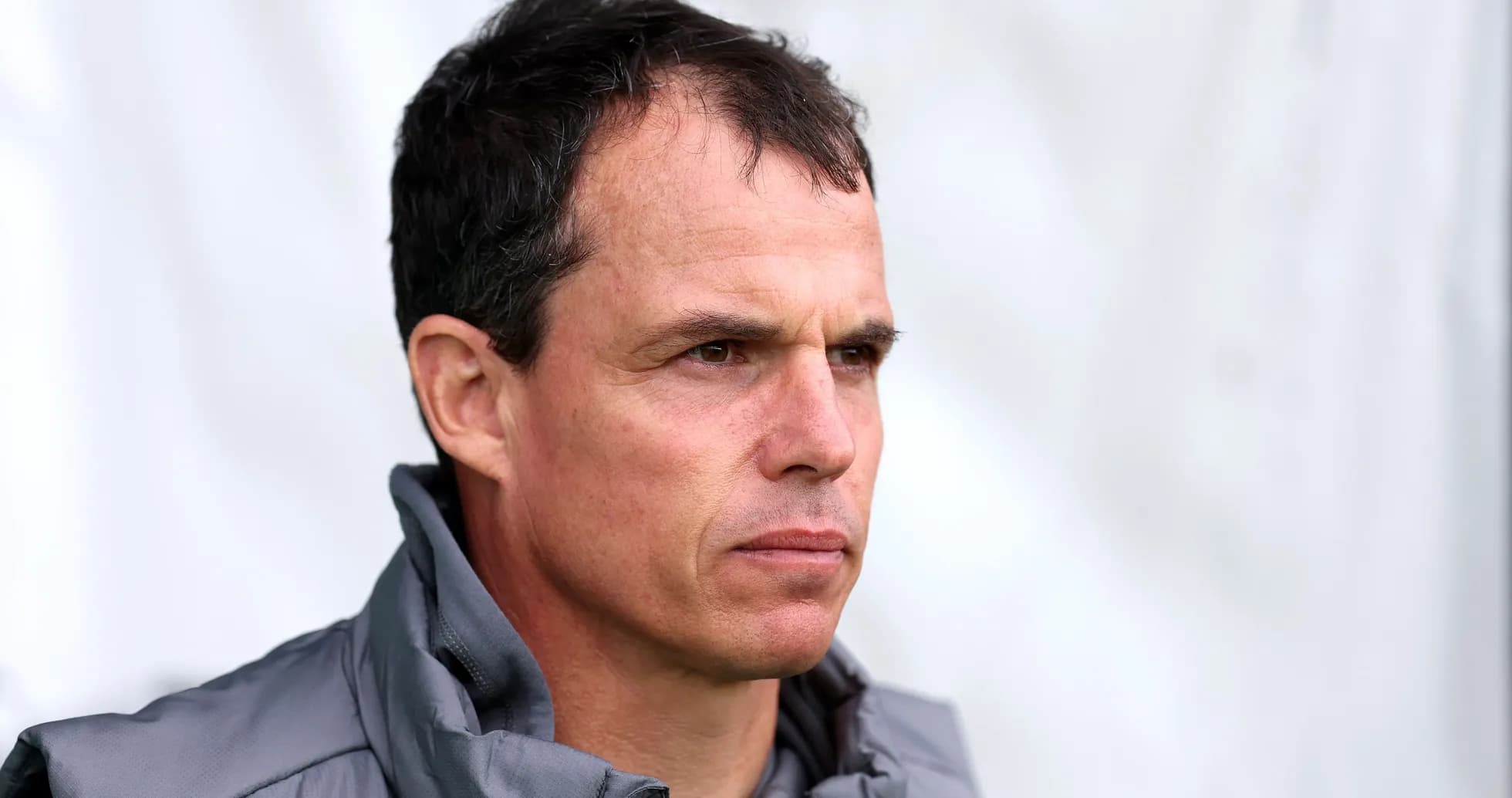
So when Xhaka singles out his current coach at Sunderland, Régis Le Bris, the praise carries weight.
‘The small Arsène Wenger’
Speaking before Sunderland’s heavyweight reunion with his former club Arsenal, Xhaka drew a striking comparison.
“I call him like the small Arsene Wenger,” he told TNT Sports.
“As a human being, he's top. He's very calm, he's not a guy who screams, he has all the solutions and tactically, he's amazing. And even for him, to get a new team, now again with new players, I believe is not easy.
“But he showed himself that he is a great manager, he showed himself that he can improve this team, the players. And myself, I'm very thankful that I can have a coach like him.”
It is high praise from a player who has lived through multiple eras at the elite level. From Basel to Borussia Monchengladbach, from Arsenal to Bayer Leverkusen, Xhaka has seen plenty of dressing rooms and dugouts. Le Bris, he insists, belongs in that company.
Sunderland’s statement signing and rapid rise
Le Bris made Xhaka the centrepiece of his Sunderland project last summer, prising the Switzerland captain from Leverkusen in a move that signalled a new level of ambition at the Stadium of Light.
The response on the pitch was immediate.
In their first season back in the Premier League, Xhaka captained Sunderland to a stunning seventh-place finish, punching a ticket to the Europa League and ripping up most pre-season predictions in the process.
Le Bris’ influence, Xhaka says, is rooted in an obsessive attention to detail.
“He's very detailed. So if he analyses something – not just the opponent, but even us and more the individual meetings – he's very detailed,” Xhaka explained.
“He goes into details that I haven't seen often in a coach. So every player here has improved over the last 16 months and I think there is still space to improve for everyone.”
That meticulous work shows up daily at the training ground: individual meetings, tailored analysis, and specific tweaks for each player. Sunderland’s rise has not been built on slogans. It has been built on detail.
Captain, conduit, standard-setter
Within that structure, Xhaka is far more than a deep-lying playmaker. He is Le Bris’ voice on the pitch.
As the most experienced player in the squad, the 31-year-old carries the responsibility of driving standards and embodying his manager’s demands for a young group still learning what it means to compete at the top.
“If I'm not the guy who's taking the first step, who is following me?” he said.
“I'm a guy who demands a lot from himself. This is the first thing I demand from myself. I never show the finger first to others before I show it to myself.
“Sometimes people forget about the difference between demanding and complaining because, for me, these are two pairs of shoes. I want to win. And I want to win if I'm at home, I want to win when I'm on the pitch in training, and I want to win in the weekend games as well. This is me.”
That mindset has helped turn Sunderland from hopeful returnees into a side that expects to compete. Xhaka’s role as the bridge between Le Bris’ tactical plans and the younger players’ execution has become central to everything the club is trying to build.
A reunion with Arsenal – and a measuring stick
Now comes the real examination.
The meeting with Arsenal is not just another league fixture for Xhaka. It is a marker of how far Sunderland have travelled under the “small Wenger” on the touchline.
Arteta’s side arrive with a perfect start to the season and serious title ambitions. To live with them, Sunderland will need every ounce of the tactical preparation that has become Le Bris’ hallmark.
Xhaka’s partnership in midfield with Diarra and Sadiki will be critical in trying to disrupt the rhythm of his former club, slow their passing, and give Sunderland’s attackers something to work with.
For Xhaka, it is a reunion with a former manager he respects, a club he captained, and a fanbase that once divided opinion over him. For Sunderland, it is a chance to prove that seventh place and European qualification were not a one-off surge, but the start of something more durable.
One thing, Xhaka insists, will not be in doubt when the whistle blows.
“We will never give up.”