Hearts Take Charge in Scottish Title Race
The title race in Scotland just lost a runner. Hearts, the club that has spent a generation watching the Old Firm trade blows from a safe distance, are now close enough to land the punch that could floor the established order.
At Tynecastle, on a bright bank holiday afternoon that felt like a festival long before kick-off, Rangers arrived knowing defeat was unthinkable. They left seven points behind Hearts, their season hanging by a thread and their manager, Danny Röhl, admitting: “We are in a very difficult situation.” Hearts, three clear of Celtic with the same number of games to play, can suddenly see the finish line.
Tynecastle on edge
Edinburgh wore maroon. From the city centre to the snug corners of The Golden Rule, the Athletic Arms and the Tynecastle Arms, the mood was different – not just hopeful, but expectant. “We shall not be moved” has been a soundtrack here since that dramatic win over Hibernian in October. It sounded less like bravado now, more like a statement of intent.
Tynecastle has seen big days. The title lost on goal average to Kilmarnock in 1965 still stings. The near miss in 1985-86 still haunts. Those scars framed the sense that this, at the very least, belonged in the same conversation. Hearts have not been crowned champions for 66 years. This season, they have not lost a Premiership game at home. They have turned their old ground into a fortress and, with it, catapulted themselves into a position where anything short of the title would feel like a crushing disappointment.
That they are doing this against the financial muscle of Celtic and Rangers only sharpens the story. The Rangers side that wilted so badly here cost around £40m to assemble. Hearts, built on far more modest means, simply out-fought and out-thought them when it mattered.
Rangers strike, Hearts stumble
The irony was that, for 45 minutes, this did not look like Hearts’ day at all.
The atmosphere before kick-off belonged to the home side. The football did not. Rangers controlled the midfield, moved the ball with authority and exposed the gaps left by Hearts’ injury-hit engine room. Lawrence Shankland and Cláudio Braga, usually so cohesive, played as strangers. Hearts, rattled, went long and direct, and went nowhere.
When the opening goal came, it was ugly. James Tavernier hurled in a long throw, Stuart Findlay flicked it on, and chaos took over. Dujon Sterling’s effort was tame enough until it clipped Michael Steinwender and looped over Alexander Schwolow. A scruffy goal, but a damaging one. Hearts lost their shape and their composure. Rangers smelled blood.
Derek McInnes smelled something else: danger. The Hearts manager, “annoyed” by what he had watched, ripped up his plan at the interval. Blair Spittal, the derby hero from a week earlier, came on. The message in the dressing room, as Braga later revealed, was blunt: “man up.”
The tone of the game changed immediately.
McInnes’ switch flips the game
Hearts emerged after the break with a different stride. They pressed higher, moved the ball quicker, and suddenly Rangers’ dominance in midfield evaporated. The league leaders started to look like league leaders again.
The equaliser felt like a release. Alexandros Kyziridis, cutting inside from the left, whipped a shot off the post. The ball broke kindly, but Stephen Kingsley still had work to do. From eight yards, he stayed ice-cool and drove his finish home. Tynecastle erupted. The belief that had swirled around Gorgie all day now had a scoreline to cling to.
The match turned frantic. Mikey Moore burst clear for Rangers only to be denied by a superb recovery from Steinwender. Kyziridis tested Jack Butland with a fierce effort. The noise rose with every challenge, every break, every half-chance. The tension felt almost physical.
Then came the moment that may define Hearts’ season.
Shankland’s captain’s moment
Kingsley refused to give up on a ball that seemed destined to roll out of play near the byline. He chased, stretched, and drilled a cross back into the area. A deflection helped it on its way to Shankland, but what followed owed nothing to luck.
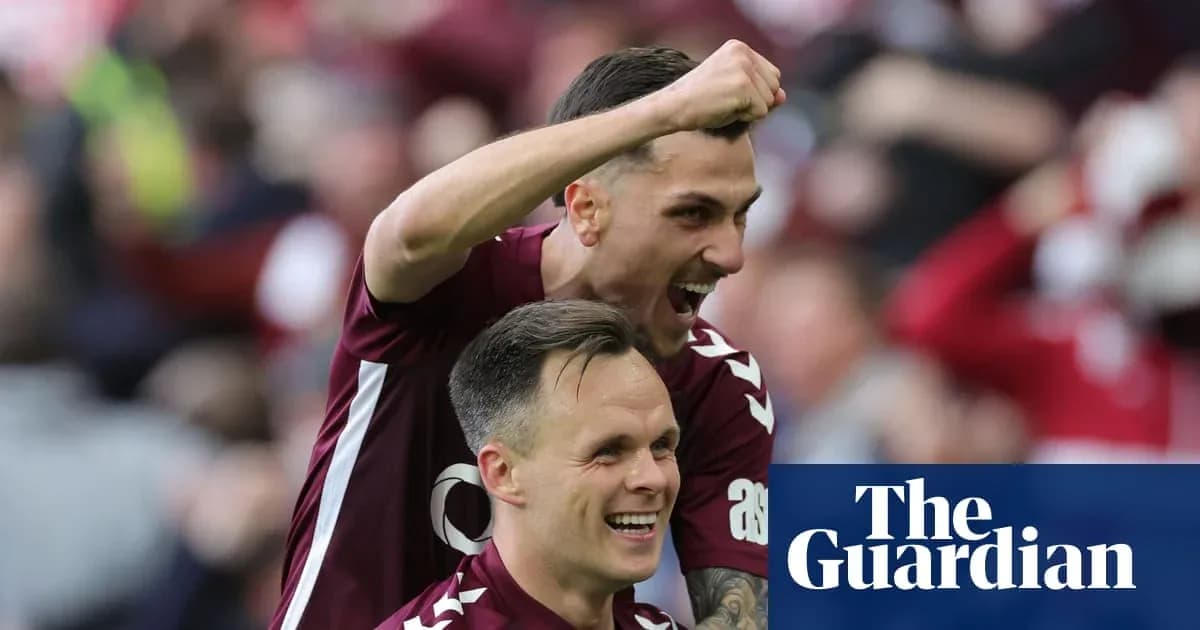
The Hearts captain took one stride and lashed a first-time shot low past Butland. No touch, no hesitation, just conviction. His anticipation had left the Rangers defence flat-footed. Tynecastle shook. This was not just a goal; it was a statement from the player who has carried this team all season.
Röhl now had to respond. Under the fiercest pressure of his Rangers tenure, he blinked. Changes came, but they lacked clarity. The German threw on attackers, including Thelo Aasgaard, and finished with three strikers on the pitch. It looked bold on paper. On grass, it looked desperate.
Spittal, buzzing between the lines, almost killed the contest with a third, only for Butland to produce a superb save. At the other end, Aasgaard’s looping header kissed the top of the Hearts bar and bounced away. That was as close as Rangers came.
They huffed. They puffed. They never truly threatened to blow Hearts’ house down.
A title within reach
When the final whistle went, it felt like more than three points. It felt like a shift. Hearts had been outplayed, then out-thought no one. They had dug in, adjusted, and overpowered a Rangers side built to win this league, not chase it.
Saturday’s trip to Motherwell suddenly carries a different weight. For some Hearts supporters, it will be the biggest match they ever attend. On Sunday, Celtic host Rangers in Glasgow, a meeting that could either re-open the race or tighten Hearts’ grip on it.
For now, the numbers are stark. Hearts, seven points clear of Rangers and three ahead of Celtic, remain unbeaten at home and are closing in on a title that would shake Scottish football to its core.
They used to sing “We shall not be moved” here as an act of defiance. Now it sounds like a warning.