India Faces Jamaica in Unity Cup 2026: A Test of Resilience
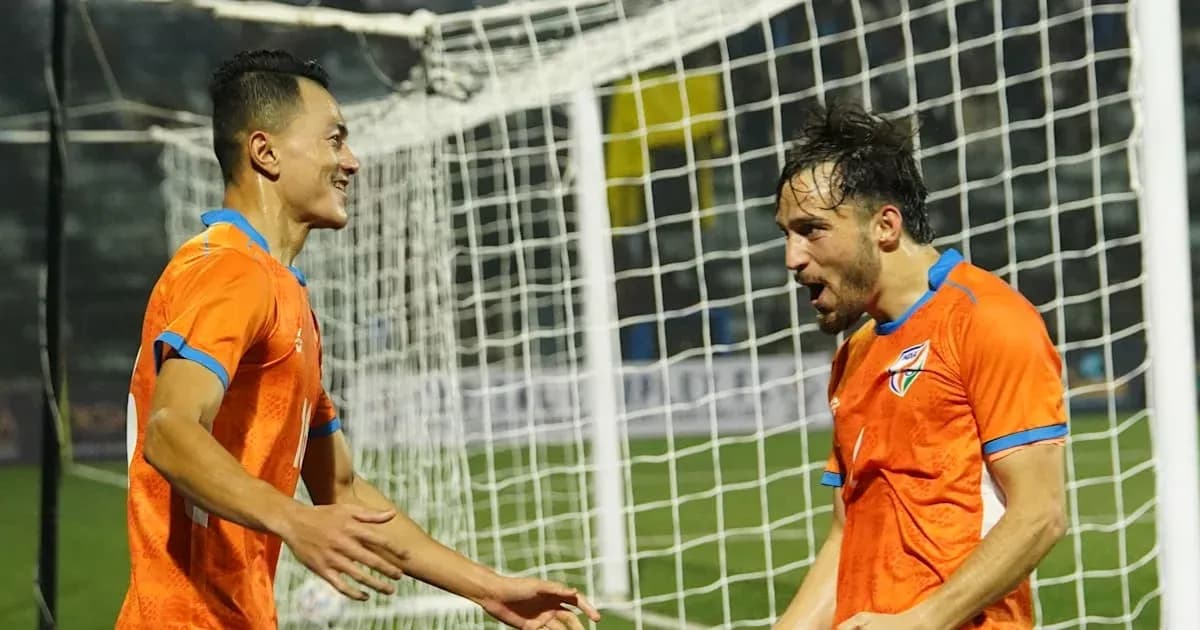
India head to London light on numbers, heavy on questions. The Unity Cup 2026 will not just be a four-nation tournament at The Valley; for Khalid Jamil’s patched‑up squad, it already feels like a stress test.
India back on British soil after 24 years
When India walk out against Jamaica in the early hours of Thursday in London, it will be their first appearance on British soil since 2002. The setting is tidy: The Valley, home of Charlton Athletic FC, a classic English ground with steep stands and unforgiving sightlines. The opposition is not.
Jamaica, ranked 71st in the world, sit 65 places above India’s 136 in the FIFA rankings. The semi-final kicks off at 12:00 AM IST on May 28, a graveyard slot back home but a sharp, defining stage in London. The winner moves into the final; the loser drops into a third-place play-off. Simple bracket, no hiding place.
On the other side of the draw, Nigeria and Zimbabwe bring a different kind of weight. Nigeria, ranked 26th, arrive as the clear powerhouse. Zimbabwe, at 130, are closer to India on paper, but the African pair give this invitational a harder edge than a routine friendly window.
A squad stripped bare
India’s preparations have been anything but smooth. The 18-man squad that landed in London is notable as much for who is missing as for who is present.
Mohun Bagan Super Giant pulled seven players out of the national camp midway through preparations, ripping the spine out of Jamil’s plans. Midfielders Lalengmawia Ralte, Sahal Abdul Samad and Anirudh Thapa, goalkeeper Vishal Kaith, defender Abhishek Singh Tekcham and forwards Manvir Singh and Liston Colaco have all stayed back, leaving glaring gaps in every line.
Add Ashique Kuruniyan’s injury to that list and the midfield, in particular, has been stripped to the bone. Jamil is left with just three recognised midfielders: Jeakson Singh Thounaojam, Noufal PN and Ricky Shabong. Of those three, Noufal and Ricky are still waiting for their first senior international caps.
This is not rotation. It is survival.
Jeakson’s positional discipline and ability to shield the back four will be critical, but he cannot plug every hole. Noufal and Ricky may find themselves thrown straight into a tempo and physicality they have only watched on television. Their learning curve could be vertical.
Experience at the back, edge up front
The good news for India lies in the spine that remains. Gurpreet Singh Sandhu, the long-time No. 1, brings presence and authority in goal. In front of him, Sandesh Jhingan anchors a defensive unit that also includes Rahul Bheke, Nikhil Poojary, Roshan Singh Naorem, Akash Mishra, Bijoy Varghese and Pramveer.
They will need to be sharp from the first whistle. Jamaica’s pace and direct running have troubled better-ranked sides, and any hesitation in the channels will be punished.
Higher up the pitch, the responsibility shifts to a forward line that suddenly has less competition but more responsibility. Ryan Williams and Lallianzuala Chhangte are expected to lead the attack, with Edmund Lalrindika pushing to extend the form that helped East Bengal to their ISL title.
Chhangte’s ability to cut inside and carry the ball at speed gives India an outlet when they are penned in. Williams offers movement between the lines. Lalrindika, hungry after a breakthrough domestic season, can turn half-chances into moments. Behind them, Rahim Ali and Farukh Choudhary add depth and work rate, if not yet a heavy international goal record.
With a thin midfield, India may lean on quick transitions and set-pieces rather than long spells of possession. Gurpreet’s long distribution, Jhingan’s aggression in both boxes and Chhangte’s bursts on the counter could define the night.
A different kind of opportunity
For some, this tournament will be about minutes and damage control. For others, it could change careers.
Noufal and Ricky stand at that junction. A first cap in London, against a higher-ranked Jamaica, is not a gentle introduction. Handle it well, and they move from names on a team sheet to genuine options for the next cycle. Struggle, and the gap to established internationals will feel even wider.
Edmund Lalrindika arrives with momentum after lifting the ISL trophy with East Bengal. Confidence like that cannot be coached; it has to be ridden. If he can carry that swagger into an India shirt, the depleted forward line will suddenly look less fragile.
Jamil, too, is under the spotlight. With key creative players missing, his tactical choices will be judged against the reality of his resources. Compact blocks, disciplined distances, and clarity in roles will matter more than elaborate patterns.
The stage, the schedule, the screen
Every match of the Unity Cup 2026 will be played at The Valley. For Indian fans, all eyes will be on screens rather than television. The tournament will be live streamed in India on FanCode, with no TV broadcast available.
The schedule, in IST, underlines how far this tournament is from the usual evening kick-off routine:
- May 27, Wednesday: Nigeria vs Zimbabwe – 12:00 AM
- May 28, Thursday: Jamaica vs India – 12:00 AM
- May 30, Saturday: Third-place play-off – time to be decided
- May 30, Saturday: Final – time to be decided
India’s full squad for the Unity Cup 2026 reads:
Goalkeepers: Gurpreet Singh Sandhu, Hrithik Tiwari, Albino Gomes
Defenders: Rahul Bheke, Nikhil Poojary, Roshan Singh Naorem, Sandesh Jhingan, Akash Mishra, Bijoy Varghese, Pramveer
Midfielders: Jeakson Singh Thounaojam, Noufal PN, Ricky Shabong
Forwards: Ryan Williams, Edmund Lalrindika, Lallianzuala Chhangte, Rahim Ali, Farukh Choudhary
On paper, this is not India at full strength. Not even close. But tournaments rarely care for excuses. Under the London lights, against a higher-ranked Jamaica and with Nigeria lurking on the other side of the draw, this stripped-down India will discover something about itself.
Whether that discovery is a new core for the future or a harsh reminder of the gap to the next level will be written in 90 minutes at The Valley.