Iraola's Liverpool Journey: From Bournemouth to Anfield
Twelve months ago, Liverpool flew out of the blocks, five wins from five, Arne Slot’s title defence looking ruthless and inevitable. That opening surge began against Bournemouth, then coached by Andoni Iraola.
No one in that stadium was sketching out the twist that would follow: Slot gone, Iraola in his seat at Anfield.
Football turns quickly. Sometimes violently. Which is why, six games into a new Premier League season, it is too early to deliver a verdict on Iraola – even if the table already tells him he is six points down on where Liverpool stood at this stage last year. The numbers say “slower start”. The record still says “unbeaten”.
Now comes the return. Iraola walks back into Bournemouth this weekend, back to a club he led for three years, only this time through the smaller away dressing-room door. Even that room has changed. The Cherries have had to spruce it up to meet Europa League regulations, a small upgrade that means his old home now offers him a slightly softer landing as a visitor.
From the south coast to the Sefton coast, Iraola has traded Bournemouth’s seaside for Formby’s sand dunes, the same patch of Merseyside that Jurgen Klopp and Brendan Rodgers once called home. Locals have already spotted him in the city centre. On the bike paths too. The Basque coach, a keen cyclist, has taken to the coastal routes as easily as he has to the Liverpool rain.
But his real comfort zone lies behind the walls of the AXA Training Centre in Kirkby. That is where the work is. Where the intensity lives.
A six-days-a-week coach
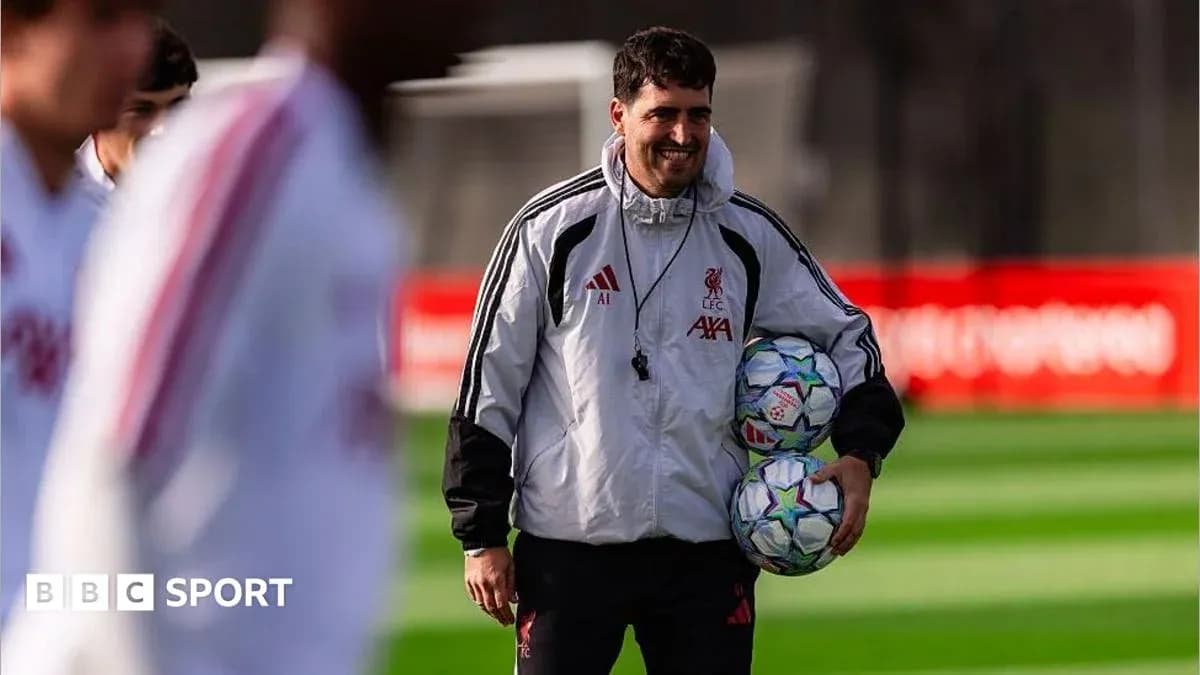
Inside Liverpool, they talk about Iraola as a “six days a week” coach. That is not a slogan. Staff see him as the first man out on the grass, cones in hand, setting up drills himself. He drives the tempo.
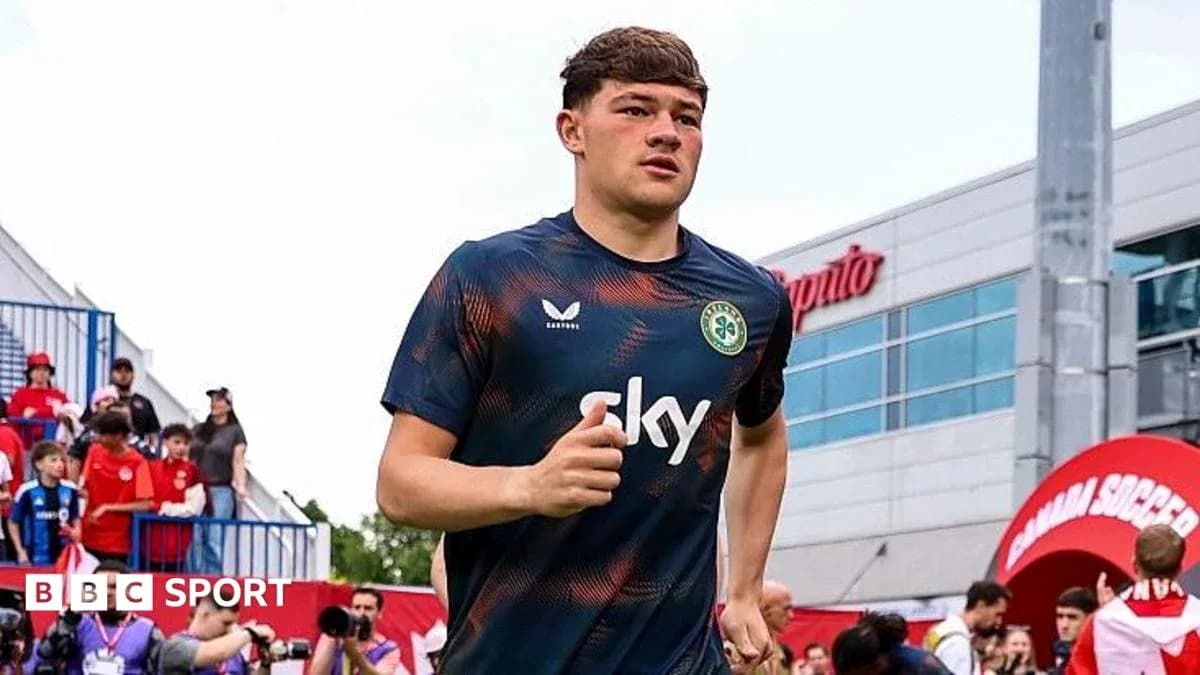
“It’s really intense. There’s a lot of hard work and no sort of light days. Everyone’s putting in 100%,” said forward Lewis Koumas, one of the young players already feeling that shift.
The mood at Liverpool helps. Those around the club are convinced everyone was ready to close the book on last season. Even if Slot had stayed, the belief is that this campaign was always going to feel fresher, lighter, less weighed down by frustration and fatigue.
Iraola, though, is not a dominant presence stalking corridors. At Kirkby he rarely sits in his own office. Instead, he gravitates to the coaches’ room, alongside Tommy Elphick, Shaun Cooper and Pablo de la Torre. His presence is low-key, almost understated, compared with some of his predecessors. The noise comes on the training pitch, not in the building.
De la Torre, who followed Iraola from Rayo Vallecano to Bournemouth in 2023 and now on to Liverpool, is central to the project. He is viewed as a key figure in driving the physical standards Iraola demands, the engine behind the pressing and sprinting that define his teams.
From the outside, a managerial change at Liverpool can look like an earthquake. Inside, the shifts are more controlled. The club’s structure around the head coach role keeps the foundations steady. Iraola’s appointment owed much to the body of work he built at Bournemouth, but this is a different beast: a global club facing a brutal, congested calendar. He is learning that part in real time.
Managing the grind
Liverpool will play at least 49 games this season. If the cup runs bite, that figure could creep into the 60s. Iraola has leaned into the expertise around him. He listens. The medical and fitness departments at Kirkby feed into his planning as he tries to keep legs fresh and minds sharp.
One clear change has come with the training timetable. Under Slot, Liverpool tended to work at roughly the same time each day. Iraola bends his sessions around kick-off times, so late afternoon and early evening training is becoming more common. He wants bodies tuned to the rhythms of matchday.
The integration runs deeper. Conversations with the academy and Under-21s coach Rob Page have locked in a shared blueprint.
“We have an understanding of how the first team play and key principles, like how we press, how he [Iraola] wants his number 10 to press, how he wants his number eight to press, how he wants his centre-backs to press – we mirror that absolutely,” said Page.
Dominik Szoboszlai set out the structure earlier this week: Liverpool working with a number six, a number eight and a number 10. Supporters spent the summer shouting for a defensive midfielder, but Iraola’s view is that the system can function if the collective sharpens up. The shape is less the problem than the execution.
His matchday habits are his own. He prefers to name the starting XI on the morning of the game, keeping players guessing and engaged until late. The debrief waits until the day after, once emotions cool and the analysis can breathe.
He has already learned one lesson in the glare of Liverpool’s media ecosystem. After a pre-season friendly against Monaco, his comments to LFC TV about the team running out of steam after half an hour were clipped and shared widely. He had meant it as a straight admission: the side did not yet have the energy levels for the intensity he wants. It was not a swipe at his players. But at a club of this size, every word can travel, twist and be interpreted through a dozen different lenses.
Since then, his tone with the media has been pragmatic. Calm in news conferences. Open to questions. Careful with the edges of his phrasing.
Youth, intensity and the balancing act
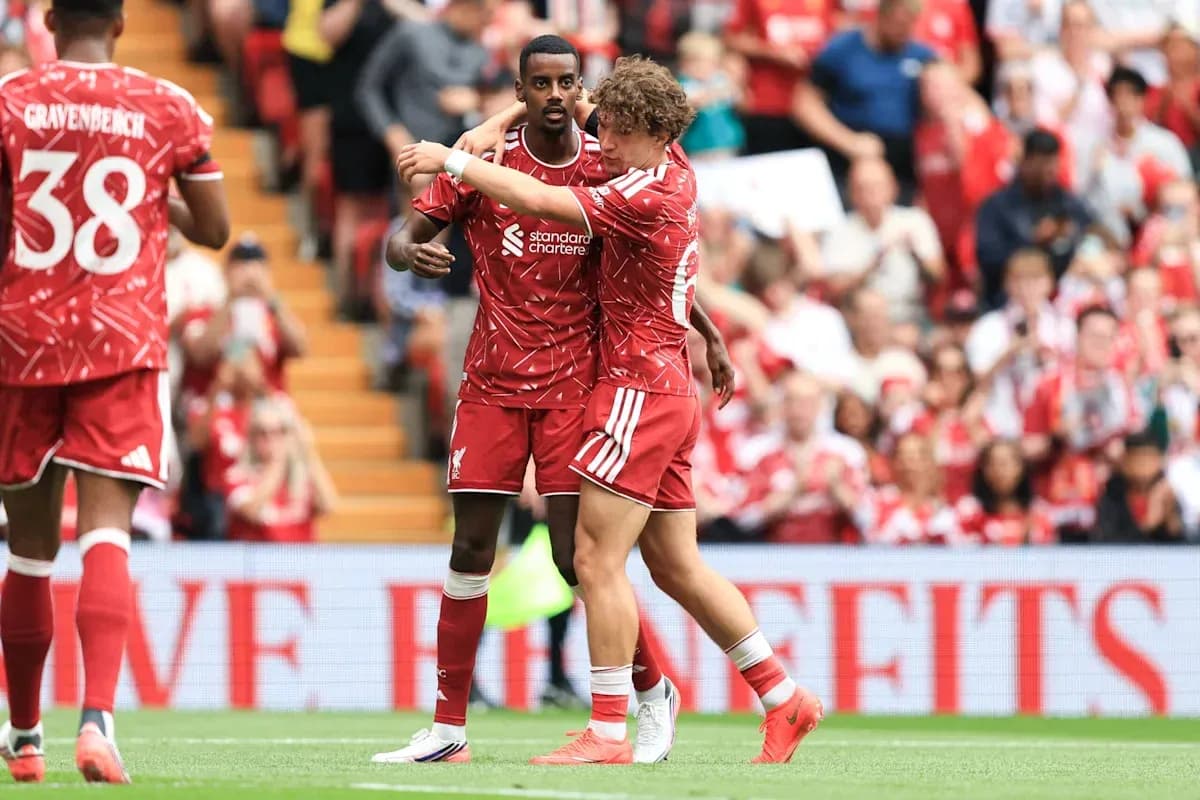
Liverpool chose Iraola for many reasons, but one stands out: his record with young players. This season, the average age of Liverpool’s Premier League side is 25.3. Only five teams in the division are younger.
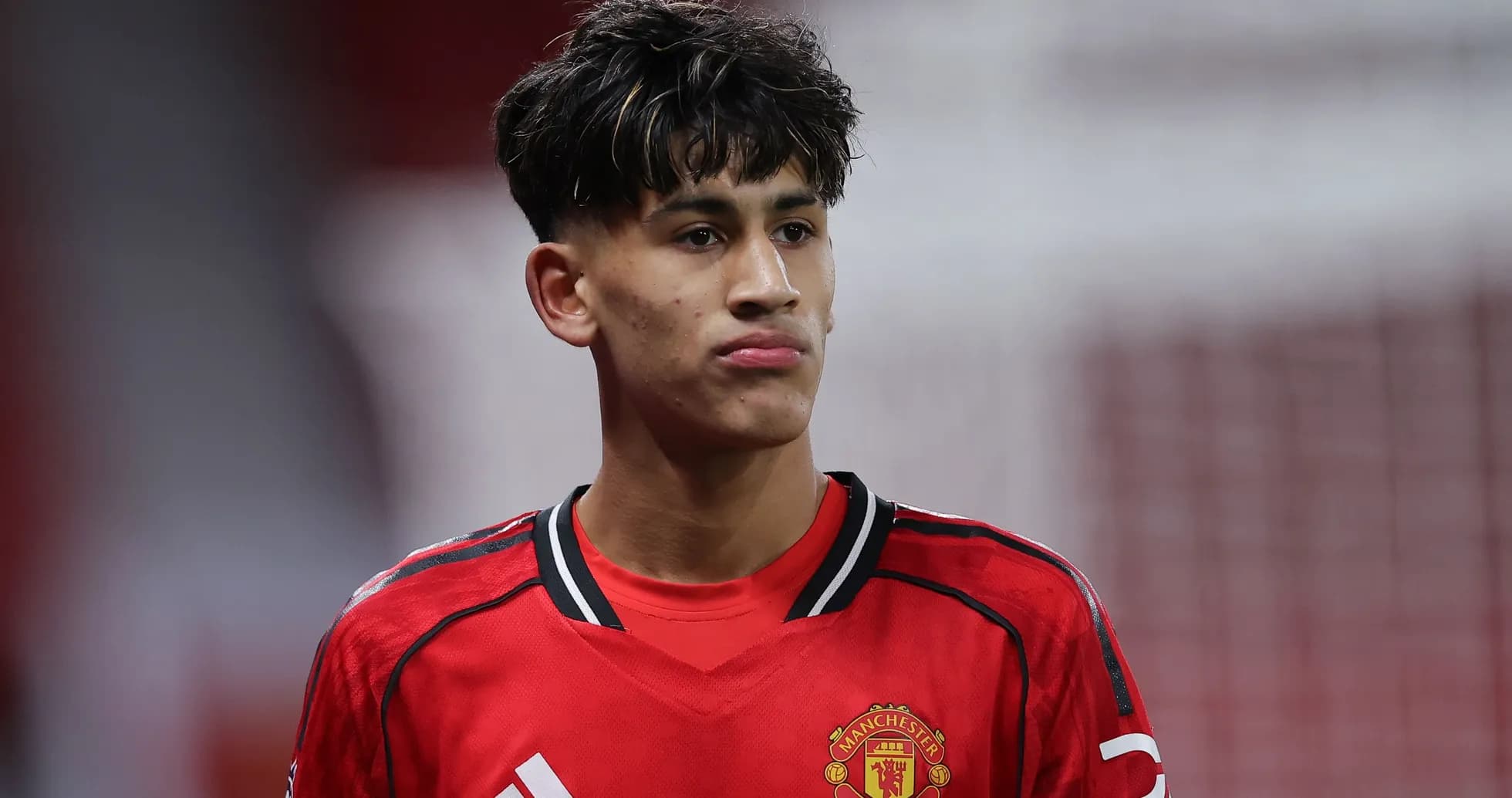
The names are already emerging. Rio Ngumoha, 18. Trey Nyoni, 19. Koumas, 20. All three started against Tottenham in the Carabao Cup. All three are expected to play bigger roles than they did last year. This is not a token pathway; it is a deliberate strategy.
“Intensity” has become one of the buzzwords of the Iraola era. It is not up for negotiation. Press, run, sprint, repeat. Yet he knows the calendar will not bend to his ideals. With such a punishing schedule, Liverpool cannot expect to blow teams away every three days. There will be afternoons and nights where the legs are heavy and the lines are ragged. On those days, they will need to win through a set-piece, a deflection, or one flash of individual brilliance.
So far, the numbers back up the idea. Going into this weekend, Liverpool have made the most sprints in the Premier League. The flip side came last weekend: a flat, goalless draw against Fulham, less than 72 hours after an energy-sapping Champions League win over Atletico Madrid.
Sunday’s visit to Bournemouth will be their fourth game in 12 days. After the international break, the pressure tightens again: four matches in 10 days. Between 11 October and 7 November, they are scheduled to play nine times. This is the stretch that tests not just tactics, but resilience and rotation.
Back to where it began
On Thursday night, Bournemouth marked their Europa League debut with a win over Real Sociedad in the Basque Country, where Iraola grew up. He will have seen it. He will have smiled. It is hard not to feel some pride watching your former club take a step like that, in your own homeland.
Perhaps on the flight down from Liverpool on Saturday, as the clouds clear and the south coast comes into view, he will allow himself a moment to take stock. From Rayo to Bournemouth to Anfield. From the home dugout at the Vitality Stadium to the away bench, now leading Liverpool into a different kind of fight.
The start under Iraola has not been a dream, but it has not been a nightmare either. Liverpool are unbeaten. After 12 league defeats last season, simply becoming hard to beat is progress of a sort. But this is Liverpool. As vice-captain Alisson reminded everyone last week, draws are not enough.
Iraola knows it too. He is unbeaten in the Premier League since January across his two clubs. That run carries weight, but it needs wins to give it meaning. On Sunday, in a stadium he knows better than most visiting managers, he has the chance to turn a solid start into something sharper before the international break slices into the season.
If he can walk out of Bournemouth with three points, the story of his Liverpool tenure will sound very different on Monday morning.