Jordi Cruyff's Ajax Strategy: Bold Moves and Star Arrivals
Jordi Cruyff has lived enough football lives to know when a club still carries weight. This summer, he says, Ajax proved it.
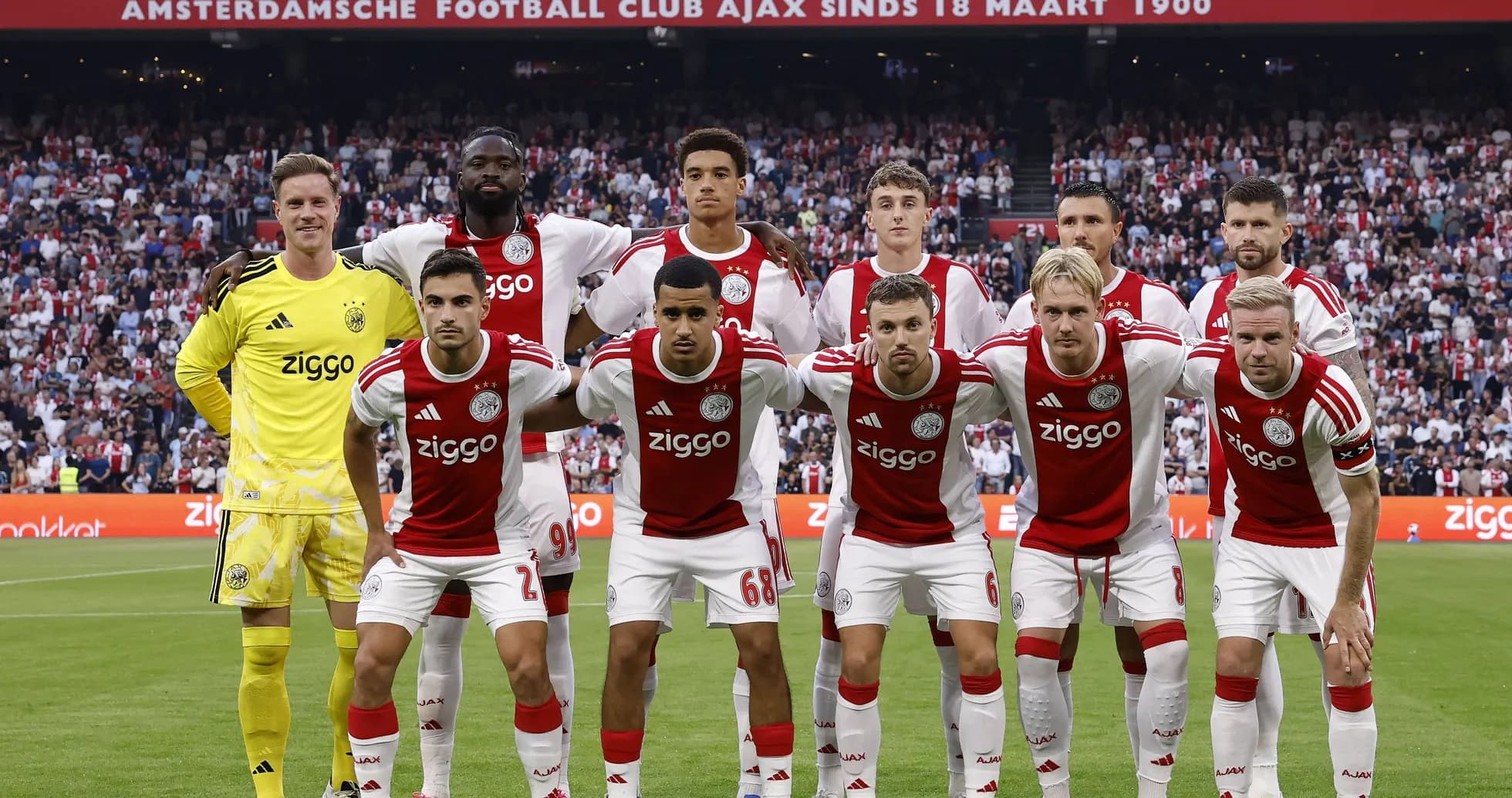
The sporting director sat down with ESPN NL after a bruising, high-stakes transfer window in which Ajax, out of the Champions League and under pressure, still managed to lure some of the game’s biggest names into a rebuilding project. Marc-André ter Stegen. Sofyan Amrabat. Julian Brandt. Not players usually associated with a club trying to climb back up the mountain.
For Cruyff, the explanation starts with four letters.
“When you mention the name Ajax, you can see from their eyes that they are very interested,” he said. The badge still opens doors. “We have to get back to the top. Senior players want to compete and perform at their peak right now.”
That urgency shaped the entire window. Ajax went after experienced, elite profiles and sold them a project that had to sound convincing from day one. Cruyff’s method? Less PowerPoint, more person.
He described a deliberate shift away from purely technical discussions and towards human connection. One-to-one conversations. Ambition, role, responsibility. Less about systems on a tactics board, more about lives and careers.
One deal in particular lit him up: Julian Brandt.
The German playmaker arrived almost out of nowhere from the outside looking in. Inside the club, the operation was kept under lock and key. No leaks, no teasing briefings, no slow-burn saga.
The announcement dropped on a Friday evening. No warning. Just a statement and a jolt.
“For once, we as a club showed that we determine when information comes out,” Cruyff said. It felt like a small power shift in an era when transfer stories often live online long before the contracts are signed.
He reached for a line from his father, Johan, to frame the approach: “If you don’t shoot, you will never score. Sometimes you just have to try.” Ajax shot. Brandt signed.
Behind the headline names sat a clear financial strategy. Outside critics have questioned whether Ajax are stretching their wage structure to accommodate such senior figures. Cruyff pushed back hard.
From his point of view, the risk lies elsewhere.
“This is not risky at all,” he insisted. “The biggest risk is paying expensive transfer fees from club to club. Eight of eleven new players arrived for free or on loan.”
That, he argued, gives Ajax room to manoeuvre. No massive amortised fees on the books, more flexibility if a signing fails to click, and crucially, protection at a time when Champions League money is missing from the balance sheet.
Cruyff pointed out that sales income has comfortably outstripped spending. The club, he maintained, remains in good health despite the absence of Europe’s biggest revenue stream.
The flip side of that reality is familiar to anyone who has followed Ajax for more than a season: talented youngsters will leave. Mika Godts is the latest to go, joining Paris Saint-Germain and underlining once again where the Eredivisie sits in the food chain.
Cruyff did not pretend otherwise. Ajax, like the rest of Dutch football, operate as a springboard to Europe’s elite. Develop, showcase, sell. Then start again.
Now comes the test of whether this particular reset has worked.
A radically reshaped squad, a dressing room full of new faces and big reputations, and an early examination looming: De Topper against PSV.
PSV arrive with what Ajax currently crave – stability. A settled core, continuity, a clear pattern of play. Cruyff knows it.
He still refuses to lower the bar.
Ajax, he said, must fight for every trophy on offer. The rebuild is no excuse, only a context. “We have taken a big step in the right direction,” he concluded. “Our job now is to prove it tangibly on the pitch.”
The talking is over. PSV will show exactly how far this new-look Ajax really are from the top they keep promising to reach again.