José Mourinho's Tactical Overhaul at Real Madrid
José Mourinho walks into Valdebebas with a broom in his hand and a point to prove. Real Madrid, a club that has just gone two straight seasons without a major trophy, will not look or play like the team that limped eight points behind Barcelona and watched its last hope die in a 2-0 Clásico defeat at Camp Nou on May 10.
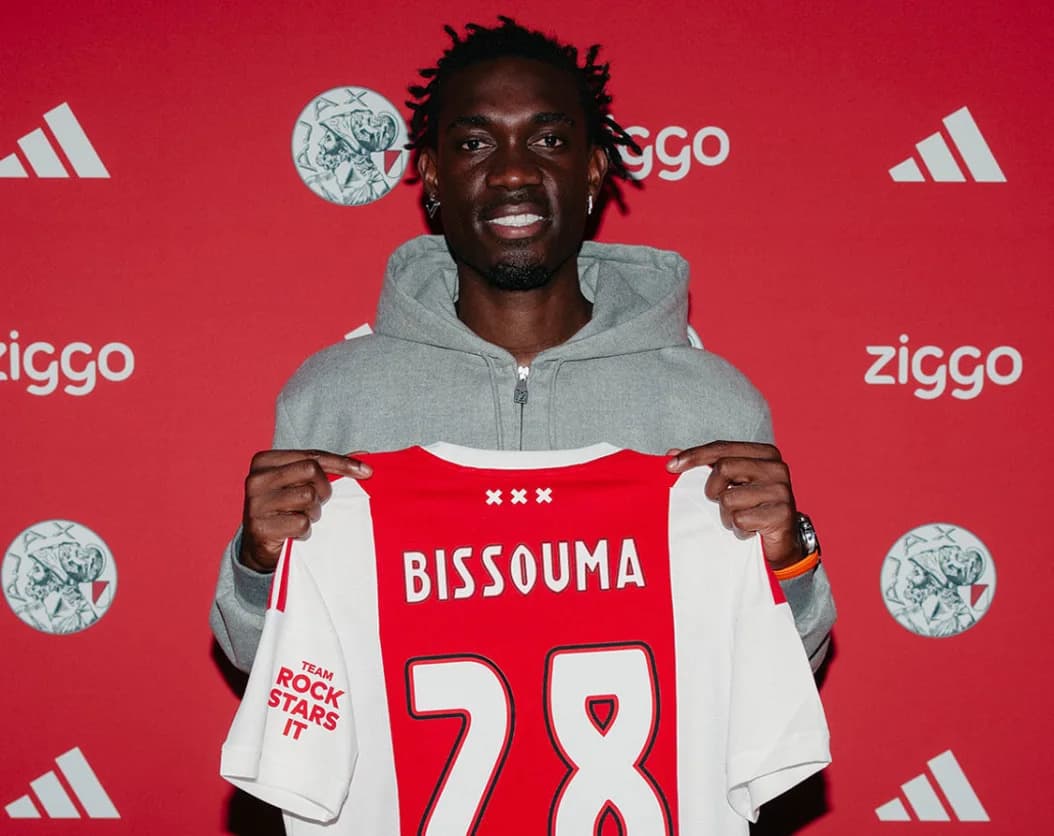
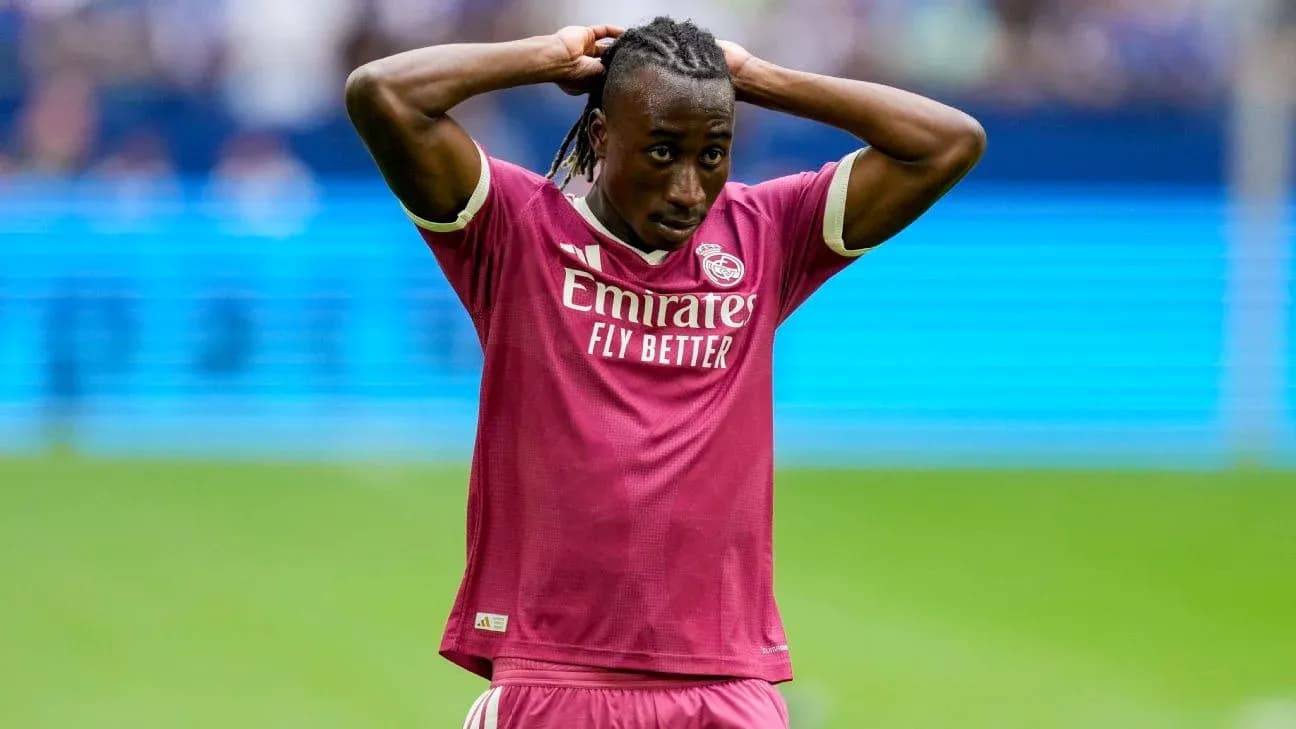
Álvaro Arbeloa is out. Mourinho is in. And with him comes a squad reshaped at speed and at cost: Marc Cucurella, Bernardo Silva, Ibrahima Konaté, Denzel Dumfries, Carlos Espí and Yan Diomande. This is not a tune-up. It is a rebuild.
A new shape, a new hierarchy
Under Arbeloa, Madrid clung to their classic 4-3-3, even as the starting XI shuffled from week to week. Mourinho has no intention of repeating that. Preseason has already laid down the blueprint: a 4-2-3-1, a double pivot in midfield, Jude Bellingham given the keys as the No. 10.
That change is not cosmetic. The club has dropped more than €125 million on Diomande, a 19-year-old winger who arrives as the most expensive signing in Madrid’s history. You do not spend that kind of money to keep playing the same way.
Most of LaLiga has already kicked off the 2026-27 campaign, but Madrid wait until their opener away at Espanyol on Aug. 22. Mourinho has a few more days to decide how ruthless he wants to be with his choices.
Attack: Diomande or control on the right?
Three positions in the front four are locked. Kylian Mbappé will lead the line. Bellingham will operate behind him. Vinícius Júnior, fresh from signing a new long-term deal, will tear down the left.
The problem — and the opportunity — lies on the right.
Mourinho can go with Diomande as a pure winger, stretching the pitch and turning Madrid into a transition machine. That version of Madrid would be direct, fast, and brutal on the break. It would also mean his record signing starts, which carries its own political weight at a club like this.
Or he can sacrifice that raw pace for control. In that scenario, the right flank becomes a hybrid midfield role, occupied by Bernardo Silva or Arda Güler. Both would tuck inside, help dominate the ball and tighten Madrid’s structure. The price? Diomande, the headline arrival of the summer, begins his Madrid career from the bench.
How quickly the teenager adapts will shape this entire season. If he explodes, Mourinho’s choice becomes easy. If he struggles, the coach has ready-made alternatives who already understand how to manage games at the highest level.
There is a third route. Federico Valverde has often been used on the right in recent years, his running and aggression giving Madrid balance in big games. For now, though, the new club captain is expected to start in his natural central role. Mourinho wants his heart in the middle of the pitch, not marooned on the touchline.
If Diomande does start, one man stands to benefit immediately: Denzel Dumfries. With an out-and-out winger ahead of him, the Dutch right back would have license to surge forward, knowing Diomande’s attacking instincts will demand extra defensive support behind him. The partnership could turn Madrid’s right side into a constant storm.
Midfield: Valverde’s steel or Silva’s brain?
The double pivot is the hinge on which Mourinho’s entire plan swings. At its base stands Aurélien Tchouaméni. After the failed pursuit of Manchester City’s Rodri, the France international is now the only true positional holding midfielder in the squad. His place is not up for debate.
Who plays next to him is.
Mourinho can pick from Valverde, Silva, Güler and academy product Thiago Pitarch. Each choice sends a different message.
Valverde alongside Tchouaméni gives Madrid a more solid, athletic midfield. Two players who can cover ground, win duels, and still break lines with the ball. Given the profiles of the attacking midfielders available, that pairing looks the likeliest starting point for a coach who has built his reputation on structure.
But not every game in LaLiga demands the handbrake. When Madrid expect to dominate the ball, Silva becomes a compelling alternative. His ability to drop deep, help bring the ball out under pressure and dictate tempo would tilt the team towards a more technical, possession-heavy approach.
Then comes Güler. Officially, the Türkiye international is Bellingham’s backup in the No. 10 role. Yet last season, under Xabi Alonso, he already proved he can operate from a deeper position. If Mourinho wants to flood the pitch with creativity and accept the defensive risk, Güler can step into the double pivot and turn matches into attacking exercises.
Pitarch, meanwhile, is the wildcard. The academy midfielder impressed Mourinho with his energy and endurance under Arbeloa, earning a place in the coach’s thoughts. He may not start the season as a regular, but he is close enough to the first team picture to enter the rotation at any moment.
Defense: Cucurella in, competition at center back
The back line will not escape the shake-up either.
On the left, Cucurella arrives to take ownership of the position. He is expected to start, with Álvaro Carreras slotting in as his understudy. Ferland Mendy, so often injured, now faces a reduced role and a fight just to stay relevant.
At center back, the picture is more fluid. Dean Huijsen and Antonio Rüdiger are set to begin the season as starters. But everyone inside the club knows this is a temporary snapshot, not a settled hierarchy.
Madrid are banking on Ibrahima Konaté’s arrival and the return of Éder Militão to lift the defensive level. Once both are fully available, Mourinho will have four high-level options for two spots, and the competition will be unforgiving. Raúl Asencio, who featured more prominently last season, is expected to slide down the pecking order.
On the right, Dumfries brings a different profile to the one Madrid have grown used to in recent years. Aggressive, powerful, relentless in his forward runs, he fits the idea of a team that can crush opponents down the flanks — especially if Diomande starts ahead of him.
This is not a gentle evolution. It is a reset. A new system, a new coach, a new spine, and a record signing whose role remains the biggest unanswered question.
Espanyol away will not define Mourinho’s Madrid. But it will show the world which version he trusts first — the one built on control, or the one that lives on the edge.