Klopp Rejects Germany National Team Talk Amid World Cup Heartbreak
Germany’s World Cup exit was still raw when the inevitable question landed at Jurgen Klopp’s feet. Was this the moment he finally stepped in to rescue the national team?
His answer was blunt, and it cut through the noise.
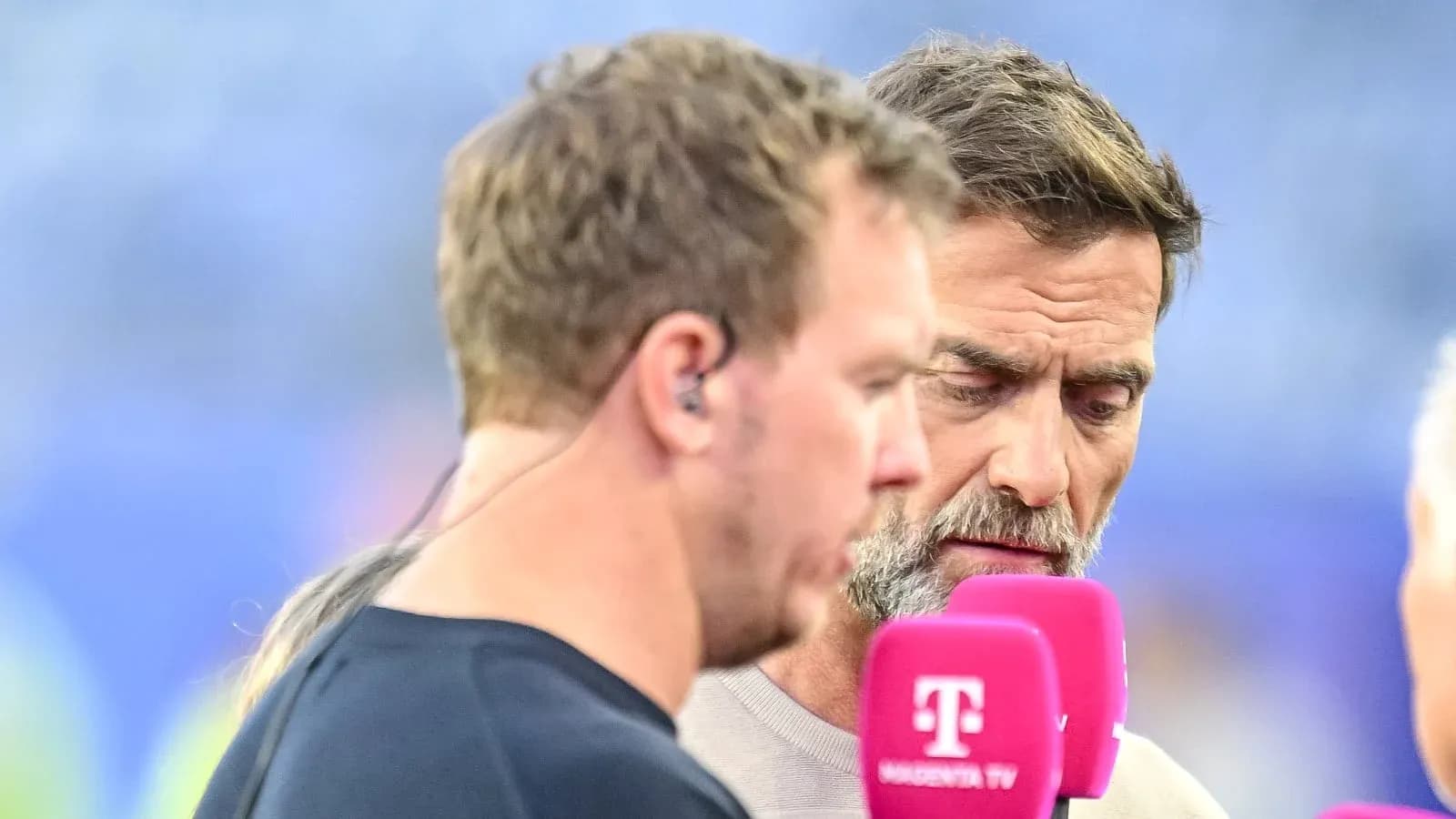
“I haven’t thought about that yet,” he said on MagentaTV, in quotes carried by Bild. “It’s not the right moment to talk about it, especially not with me.”
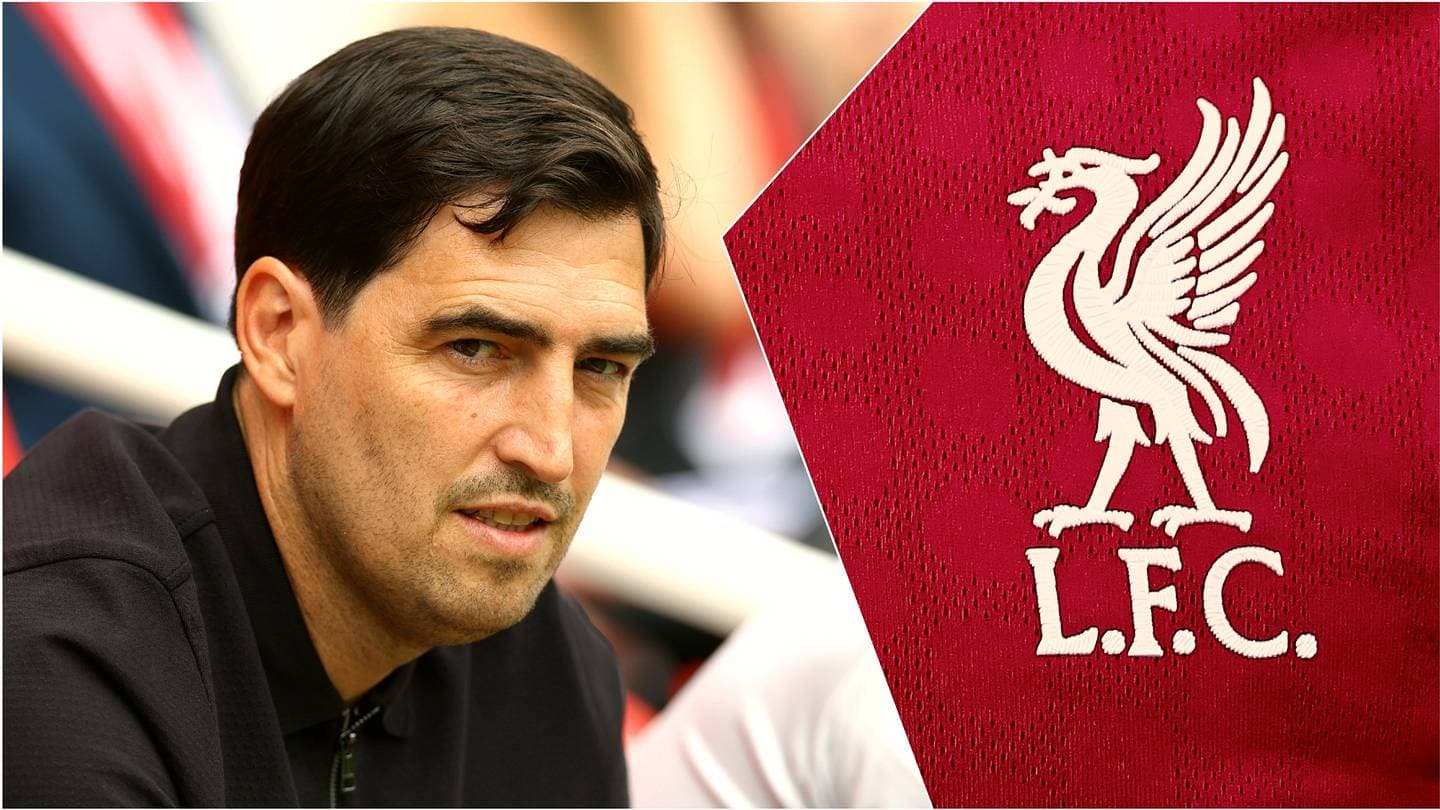
On a night when Germany’s four-time world champions were dumped out in the round of 32 by Paraguay after a 4-3 penalty shootout in Boston, the conversation around the future of Julian Nagelsmann ignited instantly. Klopp, now Red Bull’s head of global soccer and still one of the most influential figures in German football, wanted no part of it.
“I’ve often been in that situation myself as a coach, where a big dream has been shattered,” he added. “I understand that when people talk about the national coach, my name is mentioned. But it’s not the right moment to talk about it.
“I have a job that I really enjoy. And as far as I know, it’s not a part-time job. The fact is, Germany was eliminated today, and this is not the moment for me to think about Jurgen Klopp’s future.”
The message was clear. Germany’s problems run deeper than a quick fix, and Klopp is not stepping forward as the saviour.
Germany fall again – and the questions pile up
The defeat itself was another chapter in a now-familiar story: Germany flattering to deceive on the biggest stage.
They had topped Group E despite a 2-1 defeat to Ecuador in their final group match, a result that hinted at vulnerabilities but didn’t yet trigger full-blown alarm. Paraguay exposed them.
In Boston, Julio Enciso put Paraguay in front, only for Kai Havertz to drag Germany level. The game stretched, frayed, then broke into extra time. Jonathan Tah thought he had become the unlikely hero with a towering header, only for VAR to intervene and chalk it off. The reprieve galvanised Paraguay. It rattled Germany.
The shootout was chaos. Havertz and Nick Woltemade both missed from the spot. Antonio Sanabria and Fabian Balbuena squandered two chances to win it for Paraguay. The tension kept rising, one kick at a time, until Tah – already denied once by technology – missed the target in sudden death. Jose Canale stepped up and ended it.
Germany’s first-ever penalty shootout defeat at a World Cup. Another scar on a team that used to own these moments.
Nagelsmann stands his ground
If Klopp refused to step into the spotlight, Nagelsmann walked straight into the line of fire.
The Germany coach, already under pressure before a ball was kicked at this tournament, faced the media and made his position plain: he is not walking away.
“I’m not one to run away,” he said in his post-match press conference. “It’s not the first time, but it’s been happening for a while now that we’ve been delivering tournaments like this and yes, there are certainly a few basic things that I don’t want to go into now.
“I’m not one of those people who sits here and says, ‘I’m resigning now, just because we’ve been eliminated’. If the DFB wants me to continue then I’ll continue and if they don’t want me to, then they can tell me that.”
It was a defiant stance, but also a tacit acknowledgement: this is not a one-off failure. This is a pattern.
Havertz’s anguish: “Both times it came to nothing”
For Havertz, the pain felt personal.
The Arsenal forward, one of the leaders of this new generation, stood in front of the cameras and looked shattered. Two World Cups, two early exits.
“I’m a little lost for words,” he said, in quotes reported on FIFA’s website. “This is my second World Cup and both times it came to nothing.
“All I can do is apologise. I thought we didn’t play bad football at the last few tournaments, but something was always missing. And it was the same today.
“We have to take a hard look at ourselves, especially the players, and I’m leaving the coach out of that.”
No excuses. No deflection. Just a stark admission that Germany, once the benchmark for tournament football, no longer know how to navigate knockout games.
Gakpo’s goal, grief and a cruel twist
On another pitch, in another city, the World Cup delivered a different kind of emotional punch.
Cody Gakpo, wearing the orange of the Netherlands and carrying a private grief, scored a goal that felt like a release and a tribute all at once.
In the last-32 clash against Morocco in Guadalupe, Gakpo latched on to a clever pass from Crysencio Summerville, seized on the loose ball and drove a low finish into the net. As it hit the back of the goal, he didn’t celebrate. He crumpled.
He crouched to the turf, overcome, before his team-mates rushed in and wrapped themselves around him.
Only days earlier, Gakpo and his partner Noa van der Bij had shared devastating news with the world: their son, Elijah, had died during pregnancy.
“With broken hearts, we share the devastating news that our baby boy passed away during pregnancy,” Van der Bij wrote on Instagram. “Thank you for your love and support. Elijah Raphael Gakpo, forever loved, forever our son.”
Gakpo added in his own post: “This is an incredibly difficult time for our family. We kindly ask for our privacy and space. Thank you for your understanding.”
His goal looked destined to decide the tie. Football, again, had other ideas.
Issa Diop struck one minute into stoppage time to drag Morocco level, and the momentum flipped. The game went to penalties, and Morocco held their nerve to win 3-2 in the shootout.
For Gakpo, it was a night that will live in the memory for reasons far beyond the scoreline. A moment of personal courage, framed by sporting cruelty.
A nation at a crossroads
Germany now head home with more questions than answers. Klopp has distanced himself. Nagelsmann has dug in. The players, led by voices like Havertz, know the scrutiny is coming.
This used to be the team that defined tournament certainty. Now, they stand on the brink of another rebuild, another inquest, another hard look in the mirror.
Who leads that reset – and how deep it goes – will shape the next era of German football.