La Liga Returns: New Season, Old Ambitions
MADRID — Less than a month after Spain lifted the World Cup, La Liga is back. It is the first of Europe’s major domestic leagues to restart this weekend, but the curtain-raiser comes with a muted edge.
One match is already off the board. A fungus outbreak on the pitch has forced Celta Vigo’s home opener against Osasuna, scheduled for Sunday, to be pushed back to August 27. And the two giants who usually dominate the opening-weekend narrative will be absent.
Barcelona and José Mourinho’s revamped Real Madrid both kick off their campaigns a week later, granted extra rest after sending a heavy contingent to Spain’s World Cup-winning squad and beyond.
A staggered start
The new season officially got rolling midweek, with Paris Saint-Germain beating Aston Villa 2-1 in the UEFA Super Cup final, but Spain’s domestic slate begins on Saturday.
Alaves and Getafe will take the first steps in the new La Liga campaign, before Sevilla welcome Rayo Vallecano to Andalusia. The real emotional punch arrives on Sunday.
Racing Santander are back. Fourteen years after their last appearance in the top flight, the historic club return to La Liga and open at home against Villarreal, last season’s third-place finishers behind Barcelona and Madrid. Espanyol also begin by hosting Levante.
Barcelona, chasing a third straight league title, must wait. Hansi Flick’s side will not start their defense until August 23, away at Elche. Real Madrid follow a day earlier in the calendar, opening at Espanyol on August 22.
In the capital, Atletico Madrid get going even later, hosting promoted Malaga on Wednesday. They do so with one of the league’s biggest unresolved stories hanging over them: the future of forward Julián Álvarez, who has told the club he wants to leave.
Barcelona’s three-peat bid
Barcelona enter the season with the swagger of champions and the spine of world champions. Many of the players who powered Spain to a second World Cup title will now chase domestic dominance again: Lamine Yamal, Dani Olmo, Gavi, Pedri and Pau Cubarsí all return to club duty with medals and momentum.
One of Spain’s World Cup heroes, though, is unlikely to be part of the title defense. Ferran Torres, who scored Spain’s extra-time winner in the World Cup final against Argentina, is reportedly in talks over a move to PSG. His departure would strip Barcelona of a proven big-game finisher.
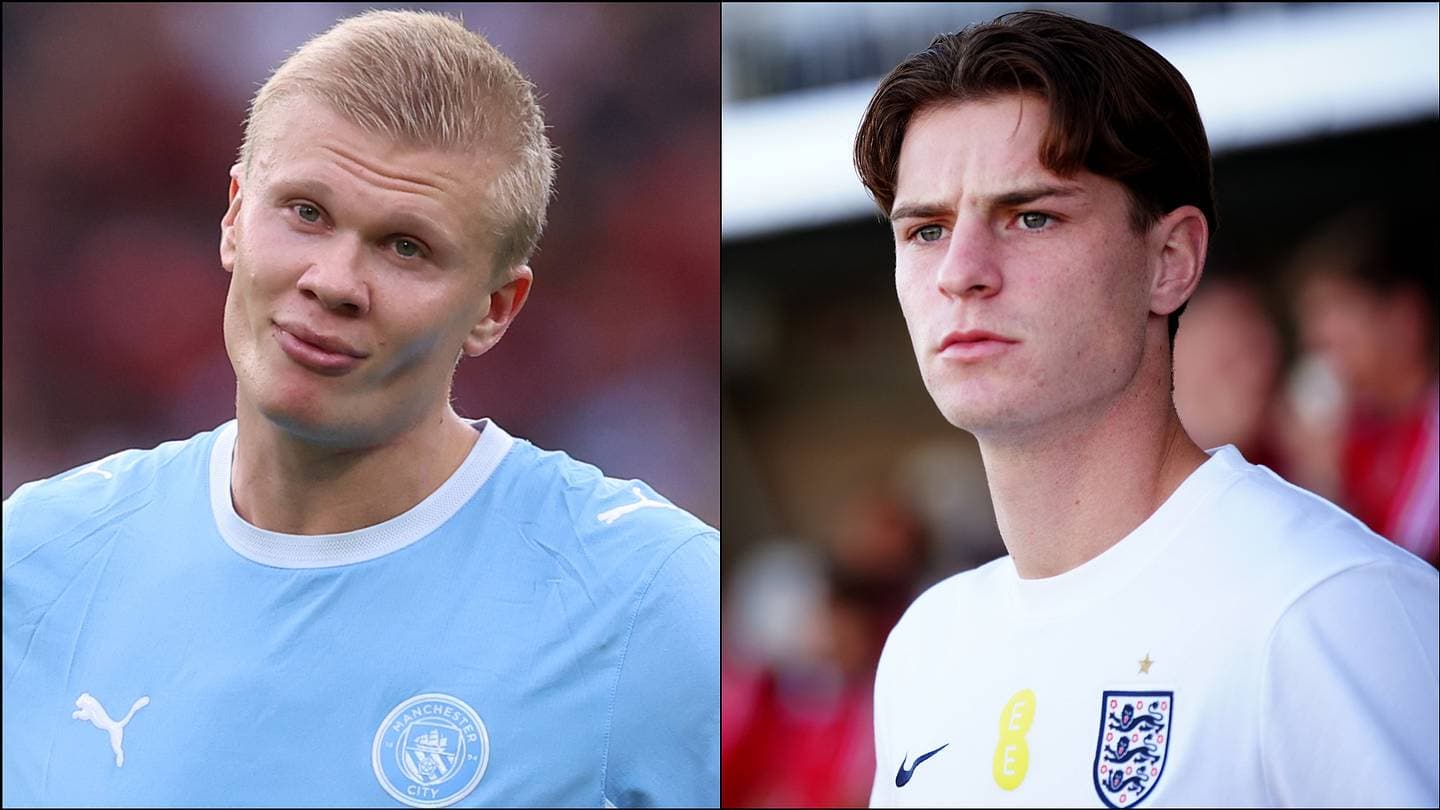
To offset the loss of veteran Robert Lewandowski, Flick has turned to England forward Anthony Gordon. The expectation is clear: Gordon must inject pace, direct running and goals into an attack that can no longer lean on Lewandowski’s penalty-box instincts.
The core remains familiar. The pressure, if anything, has grown.
Mourinho’s Madrid, rebuilt and restless
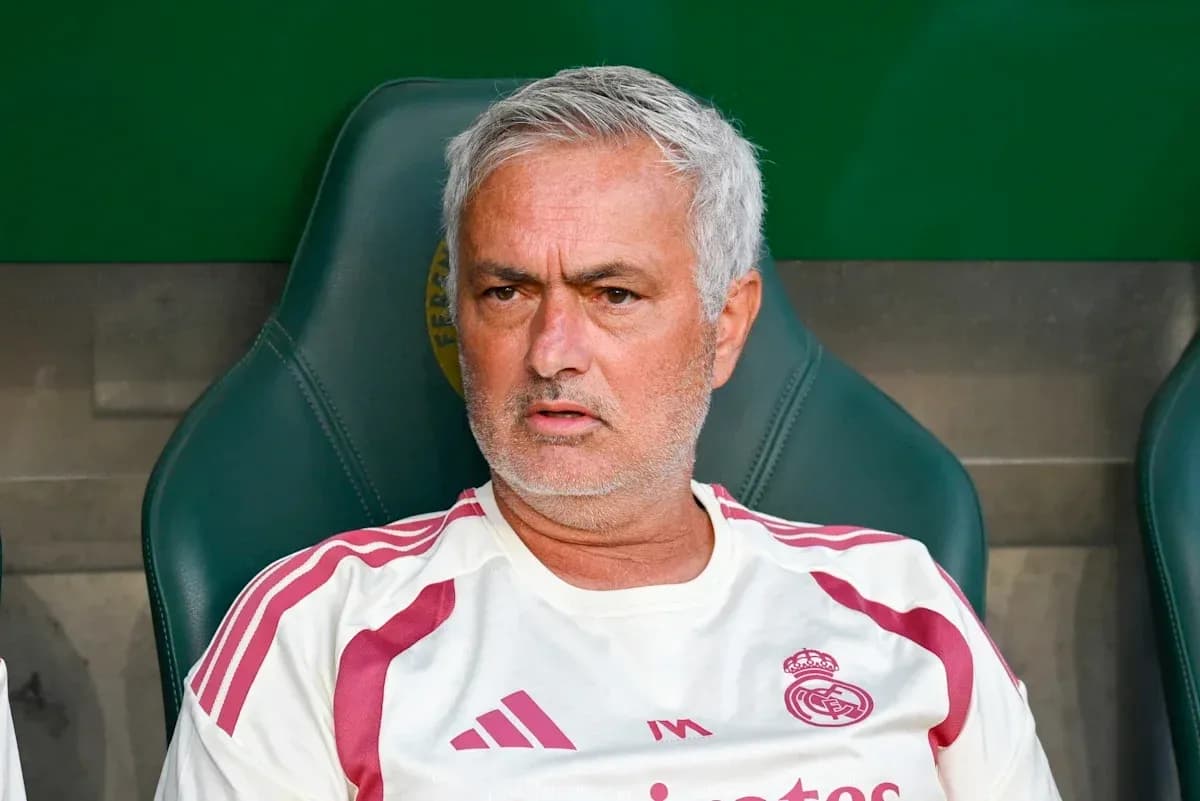
Across town, Real Madrid have rolled the dice on a familiar face. After another season without a major trophy, the club has brought José Mourinho back to the Bernabéu and handed him a largely retooled squad.
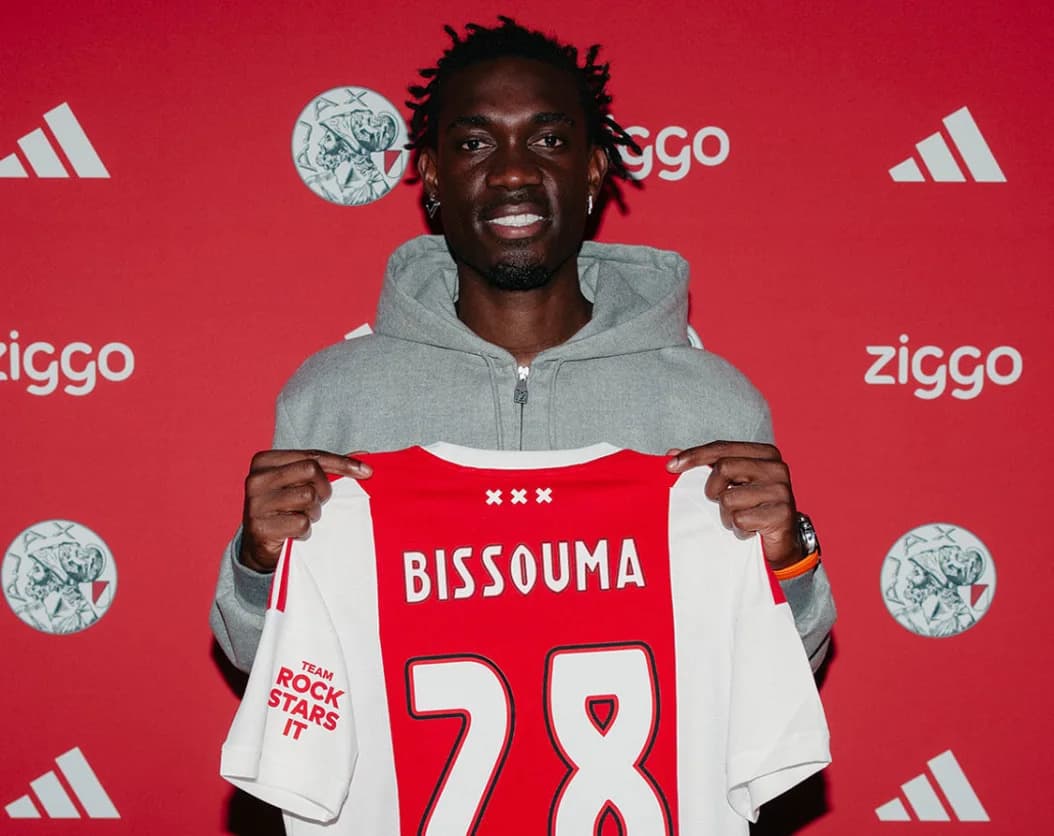
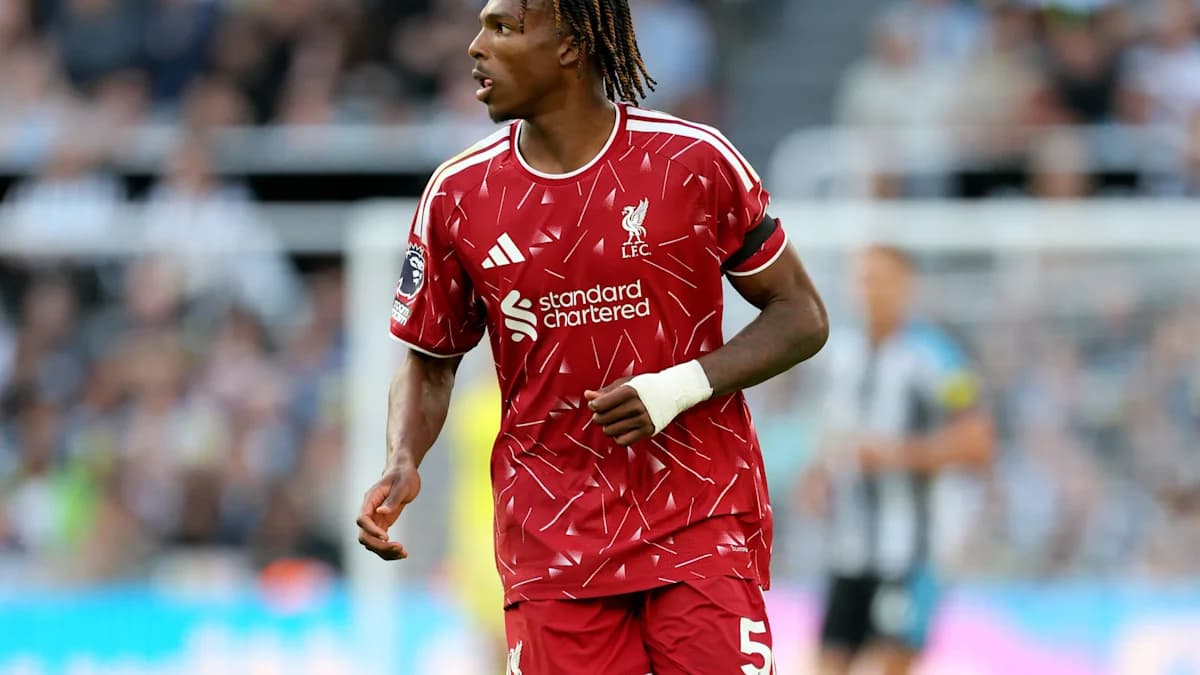
The star axis is intact. Kylian Mbappé, Vinícius Júnior and Jude Bellingham stay in place as the marquee names. Around them, Madrid have added a cluster of high-profile signings: World Cup champion Marc Cucurella, Ibrahima Konaté, Denzel Dumfries, Bernardo Silva and Yan Diomande all arrive to reshape Mourinho’s options.
The price of that rebuild has been a clear-out of experience. Among the veterans to leave are Dani Carvajal and David Alaba, two long-serving defenders whose departure underlines the depth of the transition.
Mourinho’s task is obvious and unforgiving: turn a refreshed, expensive squad into a team that can finally knock Barcelona off their perch.
Atletico in flux and Álvarez in limbo
Atletico Madrid, as ever, sit between the two giants, trying to punch up while holding their own squad together.
Diego Simeone sent three players to Spain’s World Cup-winning group — Marcos Llorente, Marc Pubill and Álex Baena — a reminder that his side still carries elite quality. Julián Álvarez went even further, reaching the World Cup final with Argentina.
During the tournament, Álvarez asked to be transferred. Interest has come from both Real Madrid and Barcelona, the two clubs least likely to be welcomed as suitors by Atletico fans. The forward is back in training, but the uncertainty lingers.
Atletico have been forced into major changes already. Antoine Griezmann, Thiago Almada, Nahuel Molina and Clément Lenglet have all departed, stripping Simeone of experience, versatility and, in Griezmann’s case, a talisman.
The response has been targeted recruitment. Alejandro Grimaldo, Morten Hjulmand and Lee Kang-In have joined, with Cristian “Cuti” Romero also set to arrive to reinforce the back line. It feels like a reset, but one carried out under the constant question of whether Álvarez will still be there when the window closes.
A new ball and an old ambition
Amid the tactical tweaks and transfer sagas, La Liga will quietly make a piece of technological history.
The league says it will be the first in the world to deploy “connected ball” technology on a large scale. Each match ball will carry a radio-frequency sensor that constantly sends real-time data on its exact position and the precise moment of every contact.
That information will feed into a network of around 12 antennas installed in each stadium, slotting into the league’s existing tech infrastructure. For referees, analysts and broadcasters, the numbers will be instant and exact. For players and coaches, the margins will shrink even further.
Old names return, new stories begin
Three clubs arrive from the second division with very different recent histories. Racing Santander climb back after 14 long seasons away. Malaga return with the weight of a proud fan base and a turbulent decade behind them. Deportivo La Coruña, once champions of Spain and a European force, re-emerge after eight seasons in the lower tiers.
Dropping out are Mallorca, Girona and Oviedo, the latest casualties of a league where the middle class rarely rests easy.
So La Liga starts again, not with fireworks but with a slow burn: a delayed champion, a returning Mourinho, a restless Atletico and a ball that knows exactly where it is at all times.
The question now is whether anyone can stop Barcelona from making that three-peat feel inevitable — or whether this rebuilt, recalibrated season is about to tear up the script.