Leicester City Sale: King Power Engages Citigroup for Club's Future
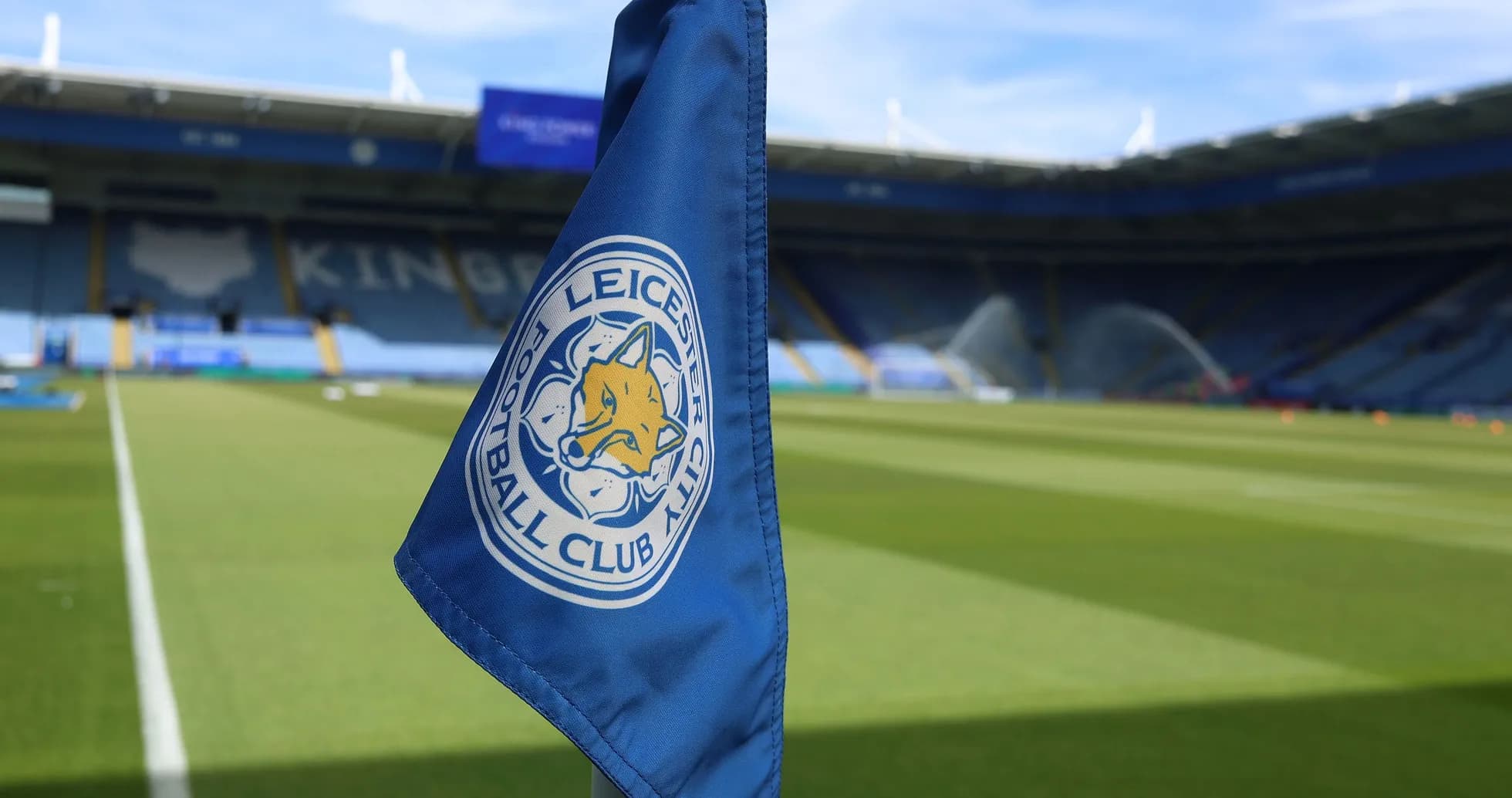
Leicester City, once the miracle story of English football, is officially on the market.
The Thai-based King Power group, led by chairman Aiyawatt “Top” Srivaddhanaprabha, has instructed US investment bank Citigroup to oversee the sale of the club, according to BBC Sport. An eight-page brochure, bluntly titled “Project Lineup”, is already circulating among potential buyers.
It is not a small package. The offering includes the men’s first team, the women’s team, the 32,000-seat King Power Stadium and the club’s showpiece Seagrave training complex. The physical assets alone are valued at more than £200 million, with the training ground – opened in 2020 and long regarded as one of the best in the country – carrying a £121 million price tag.
What the document does not do is pin down a clear valuation for the playing squads. Instead, Citigroup leans heavily on Leicester’s record as a club that knows how to climb. The sale is framed as “a rare opportunity to acquire a club with an excellent track record of winning promotions to higher divisions.”
On paper, the future is painted in optimistic strokes. The brochure projects turnover of more than £97 million for the 2026 financial year. Scratch beneath that, though, and the numbers tell a harsher story.
Between 2023 and 2025, the Foxes racked up financial losses of more than £180 million during a turbulent spell on and off the pitch. The 2025 accounts laid bare a heavy debt load, including £103.6 million in bank loans. For a club that not long ago lifted the Premier League trophy, the financial slide has been as stark as the footballing one.
The decision to sell does not sit in isolation. King Power’s duty-free business in Thailand has been battling its own economic headwinds, a far cry from the boom years under Vichai Srivaddhanaprabha when the synergy between the retail empire and the club powered Leicester’s rise. Global market shifts have strained that once seamless connection.
Back in 2010, the Srivaddhanaprabha family paid just £35 million to buy Leicester City from Milan Mandaric. From there, they rewrote the club’s history: a Championship side turned into global icons, crowned by the 2015-16 Premier League title that stunned the world.
Now the mood could hardly be more different. Back-to-back relegations have dragged Leicester down to League One and dragged supporter sentiment with them. Anger has spilled into the streets. Months of unrest culminated in loud protests outside the King Power Stadium after their drop from the Championship was confirmed.
Yet “Project Lineup” does not dwell on the gloom. It leans on status and history. The brochure reminds investors that Leicester are one of only five clubs to have won all three major English trophies – the Premier League, FA Cup and League Cup – since the turn of the millennium. That line is no accident; it is there to frame Leicester not as a fallen giant, but as a proven winner temporarily off course.
Another cornerstone of the pitch is the club’s academy and recruitment model. Citigroup hails a “strong talent pipeline backed by leading scouting infrastructure, active transfer management and highly developed academy system consistently producing top players.” Recent business backs that up: academy graduate Jeremy Monga’s £10 million move to Manchester City serves as a fresh example of the club’s ability to develop and sell talent at a premium.
While the glossy brochure passes from one boardroom to another, reality bites in the East Midlands. League One football is no longer a threat; it is the immediate future. Leicester are preparing for just their second season ever in the third tier, with an opening-day trip to Notts County on Saturday.
For whoever steps in next, that is the starting point: a club with a world-class training ground, a decorated recent past, heavy debts, and a fanbase desperate to believe in another resurgence.