Lionel Messi's Response to World Cup Defeat Reveals Pride More Than Sadness as Argentina's Campaign Ends
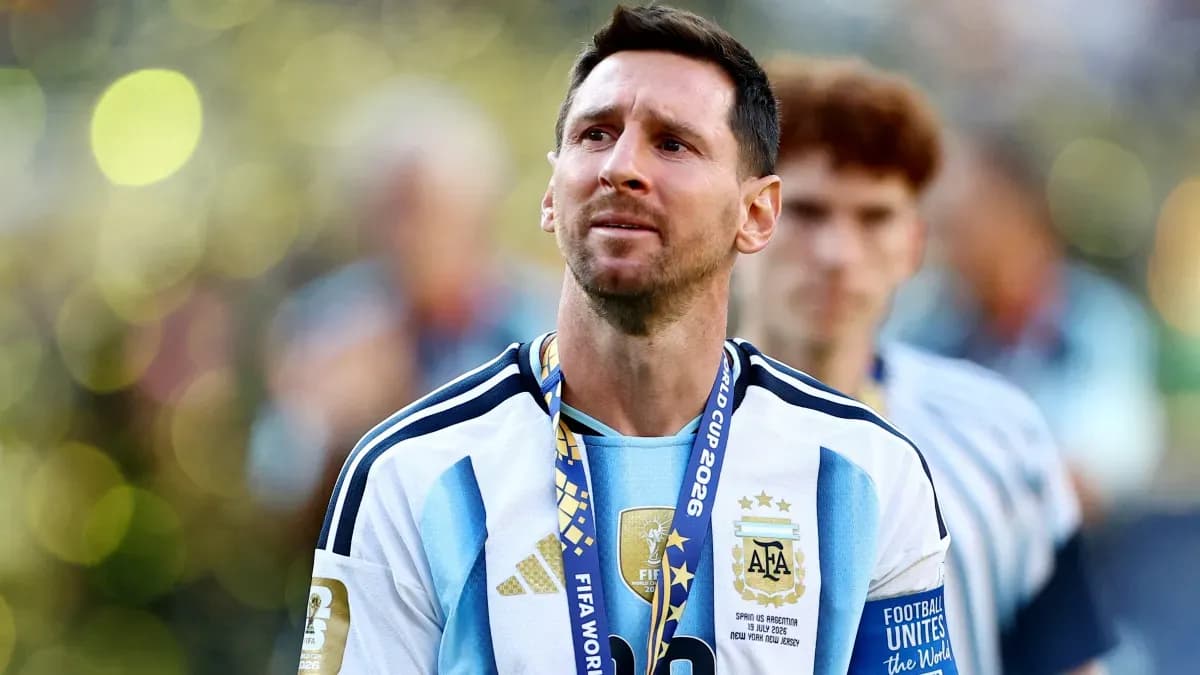
At the conclusion of the match, Lionel Messi was visibly moved as he faced the crowd on the east side of MetLife Stadium. His tears appeared less about sorrow or frustration and more like the reflection of someone recognizing an extraordinary journey coming to a close. He seemed proud of what had been achieved, wishing for more time but accepting that time always wins.
The Narrow Loss in the Final
Had Argentina prevailed against Spain in extra time with a 1-0 scoreline, Messi’s expression might have mirrored this moment, albeit with a different medal hanging around his neck and more smiles along the way. The decisive goal came from reserve forward Fernan Torres, who crafted a beautiful finish that ended Argentina’s hopes.
Aiming for Back-to-Back Titles
Argentina sought something no men’s team has done in sixty years: consecutive World Cup wins. Messi aimed to join legends like Garrincha, Pele, and Ronaldo—Brazilian icons who lifted the trophy multiple times. Few have managed such feats; even Zidane, Beckenbauer, and Maradona reached this summit only once. Achieving it is incredibly difficult.
Messi's History in America and This Venue
Though Messi likely dismisses superstition, there’s an odd pattern when it comes to playing in this stadium. Argentina didn’t score during 120 minutes in the 2016 Copa final held here, nor did they score in this World Cup final. FIFA temporarily renamed the venue "New York/New Jersey Stadium" for the tournament since the corporate sponsor wasn’t aligned with FIFA, yet nothing changed on the pitch.
This very place marked a low point for Messi a decade ago when he announced retirement from international play after losing four straight finals—three Copa Americas and the 2014 World Cup. Struggling under the weight of living up to Maradona’s legacy, who won the 1986 World Cup, Messi had so far only claimed Olympic gold and the FIFA U-20 World Cup. Despite his Champions League titles and personal accolades, that wasn’t enough for many fans.
His retirement was brief, lasting only until the next international window. Since then, Messi has helped secure three major titles and scored 70 goals in ten years, a tally ranking him among the top 25 male players historically.
Tensions Flare After the Match
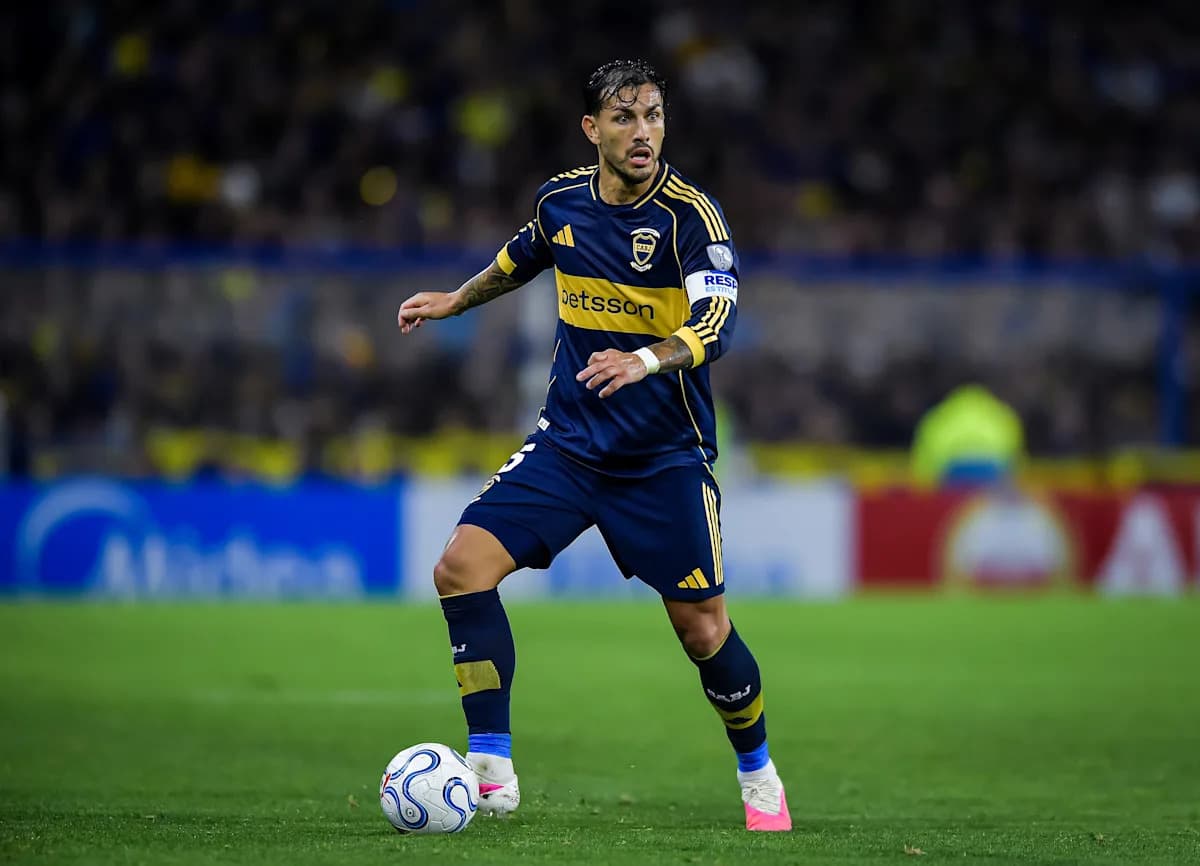
The visit to MetLife ended not just in defeat but also with disciplinary issues. Midfielder Leandro Paredes received a red card following an altercation sparked by comments from Spain’s Pedri, who taunted them saying, “Messi missed, and now you’re all going home.” Defender Lisandro Martinez explained the emotional context behind Paredes’ reaction, emphasizing that respect should prevail once the game ends, regardless of victory or loss.
Uncertainty About Messi's Future
Whether this match was Messi’s last for Argentina remains unclear. Coach Lionel Scaloni avoided discussing it, stating he hadn’t spoken with Messi about his plans. Scaloni’s own future is uncertain, with his contract expiring this year despite delivering four finals and three championships over recent tournaments. It would seem natural for the Argentine Football Association to want him to continue, yet the pressures of national team leadership may weigh heavily.
“It was a dream to play for everyone,” said Scaloni, referencing the people of Argentina. “We gave our utmost until the very last minute. I believe it’s only fair to take time to think this through. This place is wonderful. It is a dream.”
The Legacy Messi Leaves Behind
If this truly marks Messi’s international finale, his career numbers are remarkable: one World Cup title, two World Cup finals appearances, two Copa America trophies, five Copa America finals, 207 caps, and 125 goals. Fans lingered long after the final whistle at MetLife, reluctant to leave the sight of their greatest player wearing Argentina’s iconic blue and white stripes for perhaps the last time.
Scaloni noted that reaching a final and losing can still be seen as success, though some may struggle to accept that idea. This squad earned respect through resilient victories, including comebacks against Egypt and England, and a win over Cabo Verde where they overcame losing leads twice.
“People understand what we’ve achieved,” Scaloni added. “This group are warriors. Every Spanish player who greeted us admitted surprise at how competitive we were.”
Performance in the Final
Argentina failed to register a single shot on target and took only one shot inside the box—reserve Giuliano Simone’s chance right before the end. Their performance was below their usual standard.
One wonders if a different venue, like SoFi Stadium in Los Angeles, might have made a difference. Argentina has no significant history there, and the distance from this venue is nearly 2,800 miles. Whether that would have mattered is anyone’s guess.