Liverpool Boardroom Shift: Investment Consortium Pursues Minority Stake
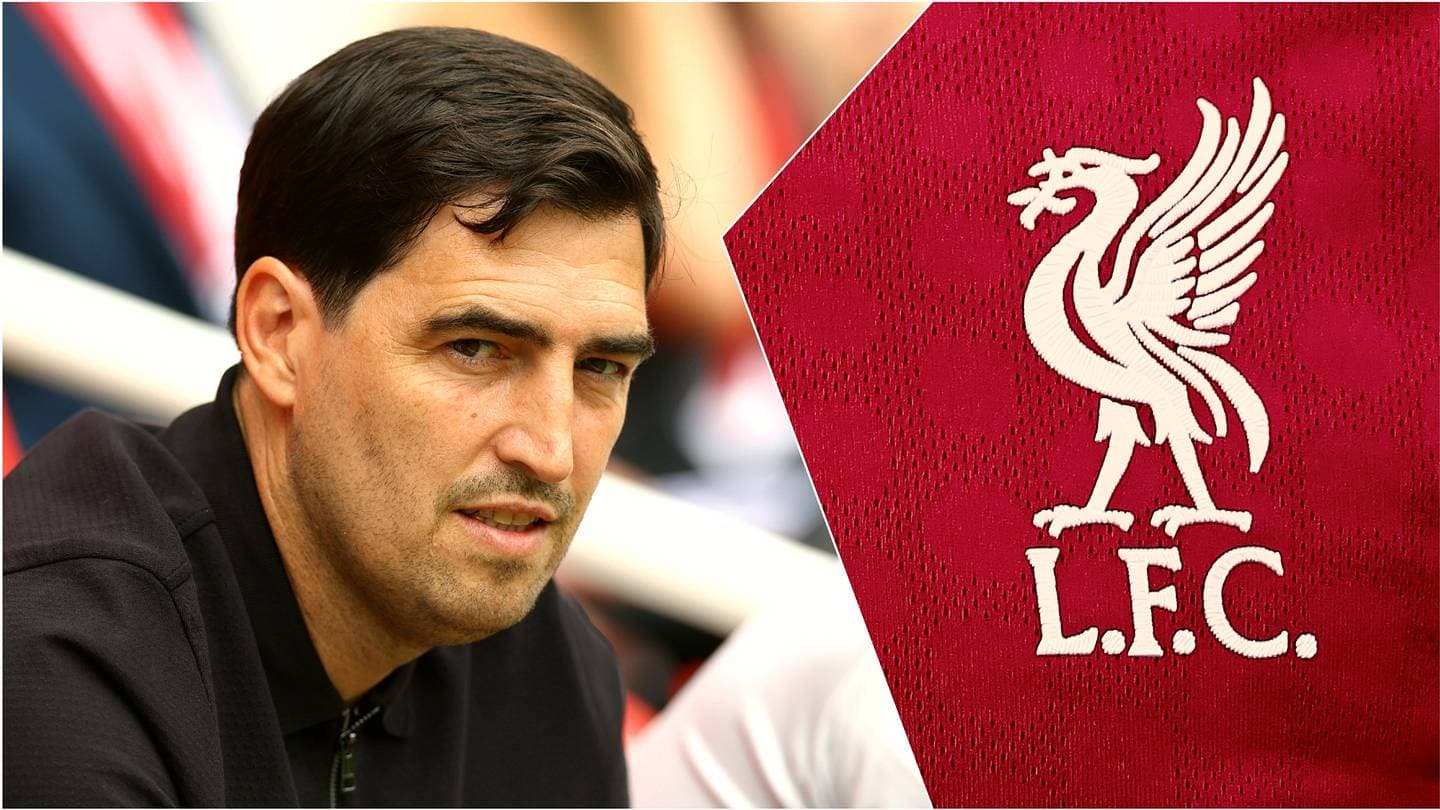
Liverpool are braced for a seismic shift in their boardroom, with a heavyweight investment consortium closing in on a deal that would redraw the financial map at Anfield without surrendering control.
A group led by former Queens Park Rangers co-owner Amit Bhatia and backed by the family of steel magnate Lakshmi Mittal is in talks to buy up to a 30 per cent stake in the club, a slice of Liverpool valued at around £1.35bn, according to the Daily Mail. That price tag pitches the overall valuation of the six-time European champions at just over £4bn – right in the territory many in the industry expected.
This is not a takeover. It is a power play of a different kind.
Fenway Sports Group, Liverpool’s owners since 2010, have confirmed the approach. A spokesperson said: “An investment consortium led, managed, and represented by Amit Bhatia has expressed interest in making a strategic minority investment in Liverpool Football Club.” Strategic is the key word. FSG are not cashing out; they are cashing in.
The proposed deal would see FSG sell a minority stake yet retain a firm grip on the wheel. Football finance expert Kieran Maguire spelt out the numbers and the logic behind them. Speaking to the Daily Mail, he said: “As far as the potential Liverpool investment is concerned, it looks like it's going to be up to 30 per cent or £1.3bn. That values the club at just over £4bn, which is broadly in line with expectations.
“From FSG's point of view, it's a super smart piece of business. Yes, they have sold part of the club before but this will ensure they still own a controlling stake of around 60 per cent.”
In other words, the sporting calls – transfer strategy, recruitment structure, long-term planning – would remain under FSG’s command. The fresh capital would not go directly into Liverpool’s day‑to‑day budget either. Maguire underlined that distinction: “If they are selling 30 per cent, that money goes to FSG not Liverpool, so there is no physical impact upon the club's coffers.”
So why does this matter so much to Liverpool’s future?
Because of who is circling.
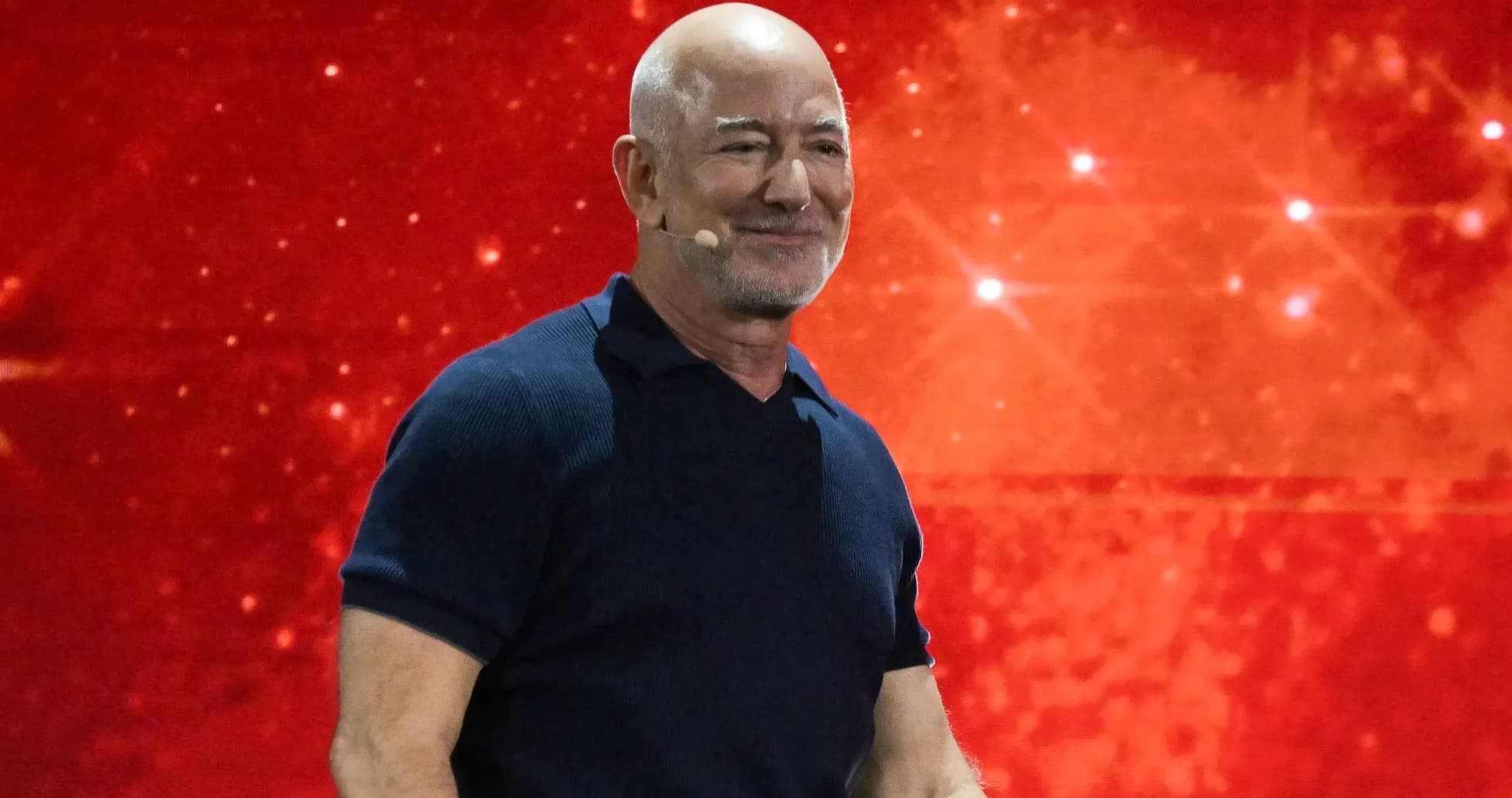
Alongside the Mittal family’s wealth, Amazon founder Jeff Bezos has been linked with the consortium and is reportedly interested in joining the bid. With an estimated net worth of £192bn, Bezos would bring not just deep pockets but global reach on a scale few clubs can dream of harnessing.
That kind of backing changes the landscape. Maguire pointed to the potential for interest-free loans from such ultra-wealthy partners, a subtle but powerful advantage in an era of tight financial regulations. “If the club is looking to borrow money at a future date for whatever circumstances and you are owned by Mittal's son-in-law and Bezos, they will be in a position to lend money on an interest-free basis which can only help in terms of cash flow,” he said.
Access to capital at that price – zero – would give FSG a safety net and a springboard. Stadium projects, infrastructure, strategic spending during turbulent economic periods: all become easier when the owners can lean on billionaire partners instead of the open market.
Then comes the commercial side. This is where Liverpool’s global pull and Amazon’s reach start to intersect.
“Also, having a potential partner of the magnitude of Bezos does mean there is the opportunity for synergies,” Maguire added. “If Amazon Prime want to increase their global influence, then one way could be to do a partnership with Liverpool, whether in terms of content or sponsorship.
“Liverpool goes out to the world and Amazon goes out to the world as well. As well out of the world, maybe! He is flying people into space after all.”
The line was light-hearted, but the point is serious. Liverpool already operate as one of football’s true global brands, with a vast fanbase across every continent and a media presence to match. Tie that to Amazon’s streaming power, data capabilities and marketing machine, and the scope for new content, sponsorship models and digital engagement is enormous.
For FSG, this is the sweet spot: retain control, unlock value, and plug Liverpool into a wider commercial and financial ecosystem without sacrificing the club’s independence. For supporters, the picture is more nuanced. There is no guarantee that a minority sale leads to immediate transfer splurges, given the proceeds go to the owners rather than directly into the club. Yet the long-term implications – cheaper access to capital, stronger sponsorship deals, broader media exposure – all feed into the same competitive equation.
Liverpool have spent the past decade trying to out-think richer rivals. If this deal lands as framed, the question becomes more pointed: how will the rest of Europe respond if one of England’s great institutions adds Bezos-level firepower to FSG’s carefully built model?