Liverpool's Defining Week: Nunez's Future and Ticket Price Retreat
Liverpool face a defining week on the pitch. Off it, the ground is already shifting.
With three games left – Chelsea, Aston Villa, Brentford – Arne Slot’s side are clinging to fourth place on 58 points, their grip on a Champions League spot far less secure than the table suggests. Villa, Brentford, Bournemouth and Brighton all lurk with enough runway to punish any late stumble.
Slot, who swept to the title in his first season only to see the crown slip away this time, now has to drag Liverpool over the line while the club’s future is being reshaped in the boardroom and across Europe.
Two stories dominate: Darwin Nunez edging back towards the Premier League, and Fenway Sports Group backing down in a fight with their own supporters.
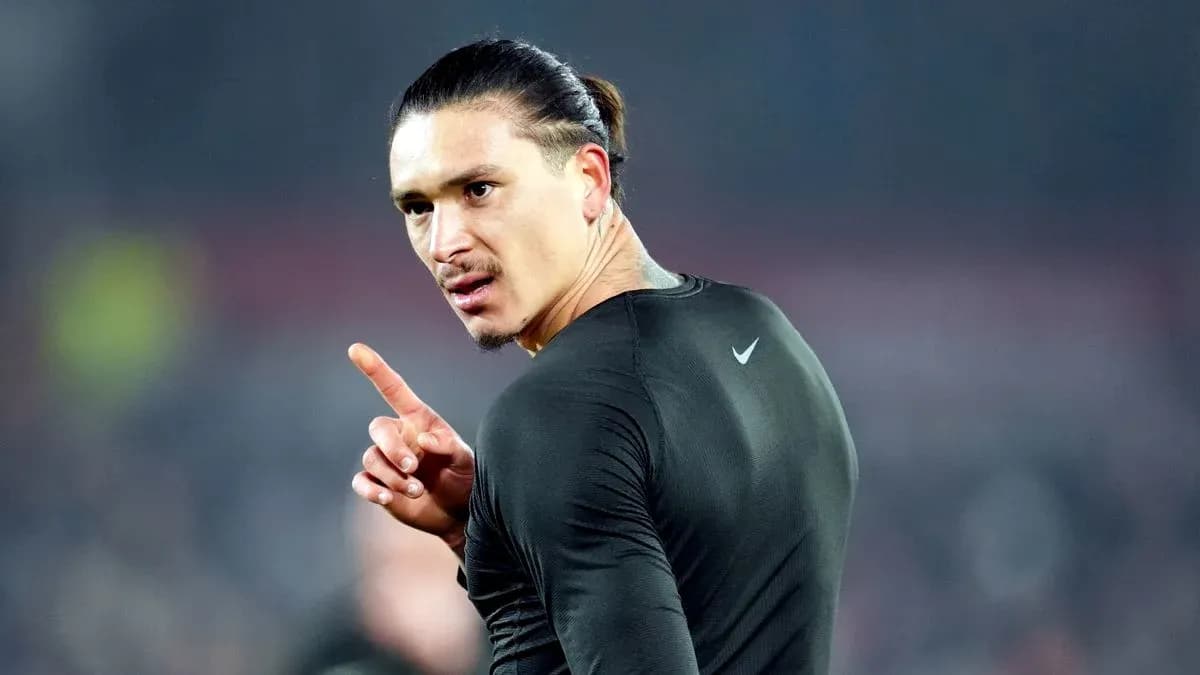
Nunez set for Saudi exit as Premier League door creaks open
Darwin Nunez left Anfield last summer with a heavy price tag and a heavier sense of unfinished business.
Liverpool had paid £64m to bring the Uruguayan to Merseyside in 2022, then accepted around £46m from Al-Hilal three years later after a spell that never quite matched the investment. Explosive runs, flashes of chaos, the odd ruthless finish – but not the sustained, clinical edge the club demanded.
His move to Saudi Arabia was supposed to reset his career. It has done anything but.
Nunez started brightly in the Pro League, then the Karim Benzema effect hit. When the Frenchman arrived in January, Al-Hilal ripped up their foreign-player plans. Under league rules, only eight foreign players born before 2003 can be registered in a 25-man squad. Nunez was brutally sacrificed, deregistered to make room and frozen out of competitive action.
He has not played for the club since February.
The stand-off has now reached its logical conclusion. Nunez has agreed to leave Al-Hilal at the end of the season, and if his contract is terminated he will hit the market as a 26-year-old free agent – a rare commodity with Premier League experience and a point to prove.
A romantic Liverpool reunion is not in play. The club have moved on and reshaped their attack. But England’s top flight has not forgotten him.
Newcastle United are watching. Chelsea, who have spent the last few windows stockpiling forwards and still searching for a reliable No. 9, are monitoring the situation as well. Both see opportunity in a striker whose raw tools were never in doubt.
Across the Channel, Juventus are also hovering. The Italian giants may be bracing for life after Dusan Vlahovic, and a free Nunez would fit the economic reality of Serie A’s new era.
While Nunez weighs up his next move, Liverpool’s own striking plan points in a different direction.
Alexander Isak is expected to lead the line when the new campaign begins. The Swedish forward, signed to be a central pillar of the attack, has spent too much time in the treatment room since arriving at Anfield and only recently returned from a leg fracture. Rusty, short of rhythm, but finally available.
Next season offers him something he has yet to enjoy in Liverpool red: a full pre-season, a clean slate and, with Hugo Ekitike sidelined, a clear runway to show he can be the long-term answer through the middle.
For Nunez, the Premier League door is ajar again. For Liverpool, it stays firmly closed. Their future up front lies elsewhere.
FSG retreat on ticket hike after Anfield backlash
If Nunez’s saga speaks to the modern transfer market, the other major development around Liverpool cuts right to the heart of matchday life.
Fenway Sports Group have performed a significant U-turn on ticket prices after a fierce backlash from supporters, the kind of organised resistance that has become a hallmark of Anfield’s fan culture.
The club had unveiled a plan for fixed ticket increases stretching all the way to 2030, citing inflation and rising operating costs. On paper, it looked like long-term financial planning. In the stands, it felt like a step too far.
Banners appeared around Anfield. Placards condemned the rises. Chants targeted the ownership. Fan groups mobilised quickly, arguing that the club risked pricing out the very people who give the stadium its edge.
The pressure told.
After meetings with the Supporters Board and key groups, Liverpool have rowed back. The revised plan is narrower and more palatable: a 3 per cent rise on general admission next season, followed by a freeze for the two campaigns after that.
In a statement, the club framed the change as a platform for deeper reform, stressing that those three seasons would be used to search for “longer-term alternative solutions across the game” and to explore commercial ideas with the Supporters Board to avoid further hikes and protect affordability and accessibility.
Liverpool also made it clear that, without broader changes, “future inflationary increases may still be required, including season 2028/29”, and pledged to keep engaging with supporters while managing costs to stay competitive at the elite level.
Spirit of Shankly, the influential fan group, welcomed the climbdown while refusing to declare victory. Their response acknowledged that some fans will remain unhappy about any rise next season, but underlined that there will be no increase the year after and promised to keep pushing for other ways to prevent further rises.
They also drew a straight line between the protests and the outcome, thanking supporters for leafleting, demonstrating and making their voices impossible to ignore. In a pointed nod to the wider game, they praised those at Liverpool who had “listened and engaged” – a reminder that not every hierarchy does.
The message was clear: this was not a token concession from the club, and it was not the end of the conversation. It was a reminder that, at Anfield, supporters still have the power to shape decisions.
Liverpool now walk into a critical finale with their season balanced on a knife-edge and their off-field landscape subtly altered. The squad is being reshaped, old faces like Nunez are circling back towards England, and the owners have just been forced to change course by the people in the stands.
The question is whether the team on the pitch can now match that defiance when it matters most.