Liverpool Sells 30% Stake to Amit Bhatia Consortium
Liverpool have sold a significant slice of their future – but not their soul.
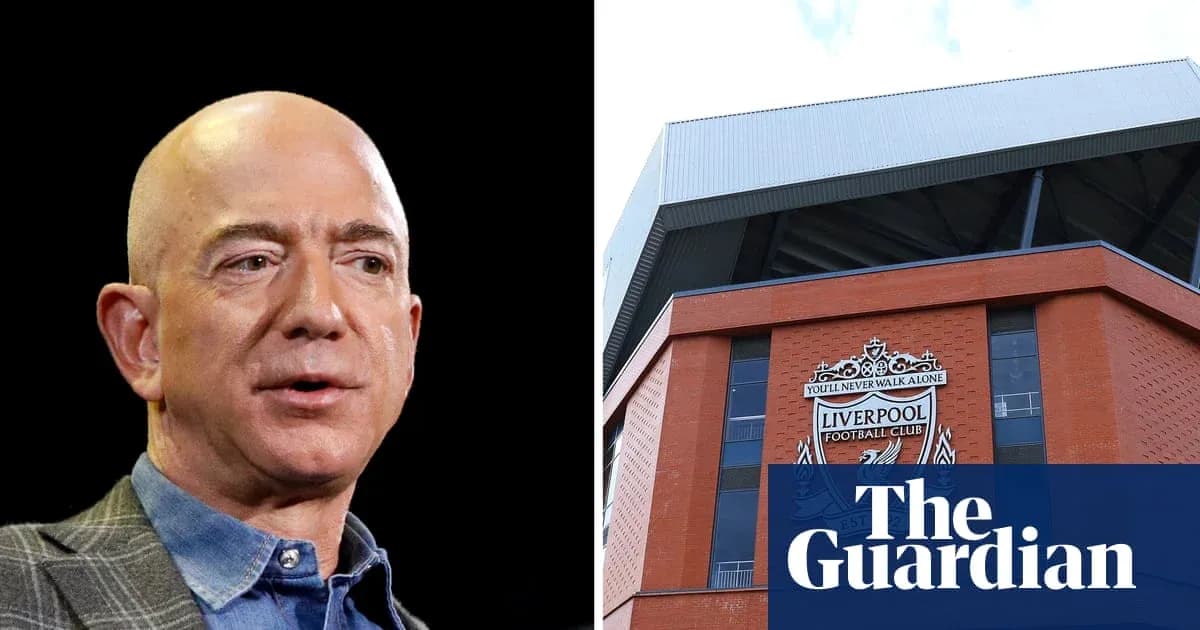
Fenway Sports Group has confirmed it has agreed the sale of 30% of the club to a heavyweight consortium fronted by Amit Bhatia and backed by Amazon founder Jeff Bezos and Facebook co‑founder Eduardo Saverin. The deal, worth £1.65bn, values Liverpool at a towering £5.5bn and will install Bhatia as vice-chair on an expanded board.
A new power bloc at Anfield
Bhatia, son-in-law of Indian steel tycoon Lakshmi Mittal, initiated and led negotiations with FSG on behalf of 1892 Holdings – a deliberate nod to Liverpool’s founding year and a clear statement of intent. The former Queens Park Rangers co-owner arrives with serious financial muscle behind him: the Mittal Family Trust, the K5 Sports fund – where Bezos is the lead investor – and EE Capital, the family office of Elaine and Eduardo Saverin.
This is not just a cheque and a handshake. Elaine Saverin and Bryan Baum, co-founder and managing partner of K5 Global, will also take seats on the Liverpool board. Bezos, despite his profile and status as the world’s third-richest man with an estimated $272bn fortune, will remain a passive investor with no place in the boardroom.
The numbers involved are eye-watering. Eduardo Saverin is worth an estimated $33bn, the Mittal family around $17bn. Yet FSG will retain both operational control and majority ownership. The club’s hierarchy is adamant: this is not a soft launch for a full exit.
Control stays in Boston – for now
The 1892 Holdings investment is subject to regulatory approval, a process that could take up to 90 days. Nothing changes on the football side this summer. No sudden transfer splurge, no ripped-up strategy. FSG insist the deal will not affect Liverpool’s transfer budget or approach in the current window, nor the day-to-day running of the club.
There are no built-in obligations for FSG to sell a greater stake to the consortium down the line, and no requirement for 1892 Holdings to increase its share. But the structure does hand Bhatia and his partners options to buy more of the club if, at some point, FSG decide to cash out.
It is the profile of the investors, not a need for cash, that FSG say drew them in. John W Henry, Tom Werner and Mike Gordon have spent almost a year getting to know Bhatia and his team, convinced that the partnership can open doors in global business, technology and investment, particularly in India and across Asia.
Gordon, now back in a more hands-on role at Liverpool following Michael Edwards’ departure as FSG’s chief executive of football, framed the move as a continuation of a long-term plan. “Liverpool has always been built by thinking beyond one season and making decisions with the club’s long-term interests in mind,” he said. That philosophy, he argued, keeps attracting “respected investors and business leaders around the world”.
“As we considered this opportunity, it became clear that Amit and the consortium shared our long-term philosophy and appreciation for what makes Liverpool special. Their experience and perspective will complement the strong foundation already in place, and we look forward to working together.”
Revenue, not a transfer frenzy
The pressure on Premier League and Uefa clubs to live within their means is tightening, with spending now tightly bound to turnover. That is where this deal bites hardest.
Andoni Iraola will not suddenly find an open-ended budget waiting on his desk. The immediate football impact is limited. The long-term commercial upside is not. With Bezos, Bhatia and Saverin involved, Liverpool expect to significantly grow annual revenues through new markets, new partners and new technology-led ventures.
The club’s income has already been climbing. Liverpool’s annual revenue hit a record £703m in the year ending May 2025. The new investors are expected to push that figure further, giving the club more room to manoeuvre under financial regulations in the seasons ahead.
Speaking for 1892 Holdings, Bhatia made clear this is a long play. “We are incredibly proud to be investing in Liverpool Football Club and to be doing so alongside FSG. We have the utmost respect and admiration for FSG as owners and for everything they have achieved at Anfield.
“To be welcomed as a partner in a club of this stature is a huge privilege. We are making this investment because we believe deeply in Liverpool and its leadership, and we look forward to supporting the club’s continued success for years to come.”
Bhatia steps into the spotlight
Bhatia is no stranger to English football politics. He spent almost 19 years involved with QPR, taking on roles from club chair to chair of the community trust before transferring his shareholding in July. That experience, inside a far more volatile environment, has shaped his reputation as a patient, boardroom-savvy operator.
At Anfield, he is expected to be a far more visible presence than Bezos, Saverin or FSG’s Boston-based leadership. A vice-chair with deep ties to India and a consortium wired into Silicon Valley and global capital gives Liverpool a very different look off the pitch.
The question now is simple: how far can that new power base push a club already operating near the top of football’s financial and competitive ladder?