Luis Enrique Signs Long-Term Deal with PSG Until 2030
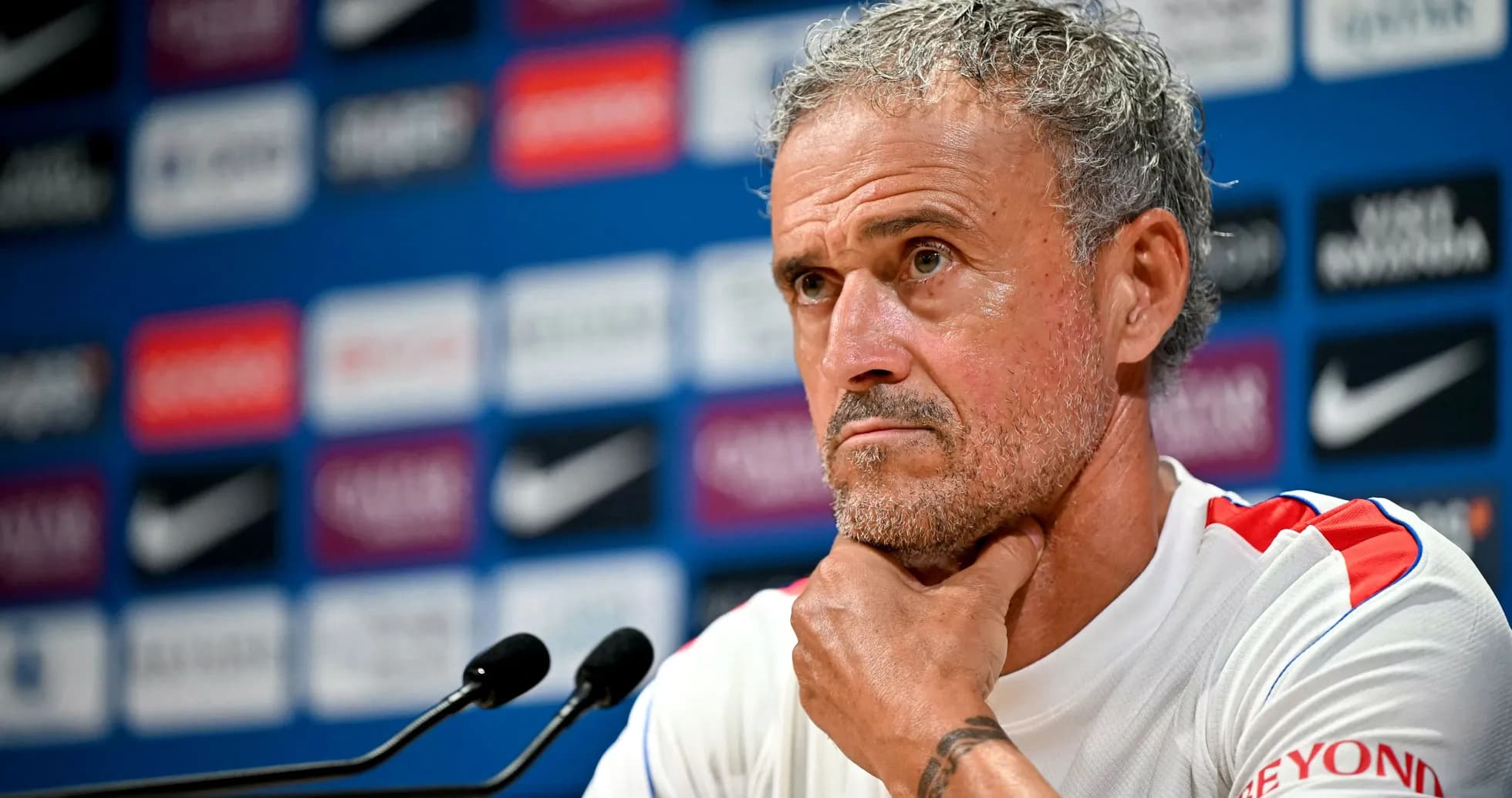
Paris Saint-Germain have nailed their colours to the mast: Luis Enrique is their man for the long haul.
The French champions confirmed on their official channels that the Spaniard has signed a new deal running until 2030, a bold six-year commitment that tears up the club’s old playbook of constant change in the dugout. For once, PSG are betting on continuity over chaos.
From revolving door to dynasty plan
This is not a token extension. It is a four-year add-on that reflects what the hierarchy describe as complete satisfaction with Enrique’s work since arriving in 2023. Under Nasser Al-Khelaifi’s leadership, PSG have stopped behaving like a gallery of superstars and started functioning like a team.
Enrique has driven that shift. The days of relying on individual brilliance have given way to a side built on high-intensity pressing, structure without the ball and strict tactical discipline. The coach is no longer just another name on the office door; he is the central pillar of the entire sporting project.
A staggering haul of silverware
The numbers behind this decision are brutal for his predecessors. In just over three seasons, Enrique has helped stuff PSG’s trophy cabinet at a remarkable rate: 12 trophies already.
- Three Ligue 1 titles.
- Two French Cups.
- Two French Super Cups.
And the success has not stopped at France’s borders. Under Enrique, PSG have added two UEFA Super Cups and the FIFA Intercontinental Cup, turning domestic dominance into a global statement.
Yet one achievement towers above the rest.
Cracking Europe – then owning it
In 2025, Enrique delivered the prize that had haunted PSG for more than a decade: their first-ever Champions League title. Managers with glittering CVs had come and gone without touching it. Enrique did it within two years.
Then he did it again.
In 2026, PSG defended the Champions League, turning a long-running obsession into a period of genuine European dominance. For the first time, the Parisian club were not chasing the continent’s elite – they were the team everyone else had to chase.
That backdrop makes the length of the new contract easier to understand. This is not just a pat on the back for historic nights. It is a decision to build the next era around the man who finally made PSG feared in Europe.
A project built on ideas, not impulses
Inside the club, the message is clear: the age of short-term fixes is over. The extension is framed as a structural step, not a sentimental one. PSG want a coherent sporting project, a long-term vision that puts youth development and tactical continuity at the heart of everything.
Enrique sits at the centre of that plan. He has opened the door to the academy, integrating promising youngsters into the first team without losing the edge required to win trophies. The badge, not the name on the back, has become the reference point.
Managing big egos in Paris has broken plenty of coaches. Enrique has turned it into a strength. He has enforced a team-first mentality while still extracting the best from high-profile stars, a balance that has underpinned the club’s newfound stability.
Power, time and a five-year horizon
With his future no longer a talking point, Enrique now holds something most elite managers never truly get: time.
The new deal gives him a five-year planning window for recruitment and academy integration. His role stretches well beyond the touchline as he works closely with the club’s recruitment department to target players who fit the specific technical and tactical demands of his system, rather than simply the biggest names on the market.
That alignment between bench and boardroom is exactly what PSG have lacked in past eras of lavish spending and abrupt sackings.
Now, the noise around his contract disappears. The speculation stops. Enrique can turn fully to the next phase: evolving a playing style that has already delivered back-to-back European crowns and trying to keep it one step ahead of the pack.
PSG have finally chosen their architect. The real question now is how far this project can go by 2030.