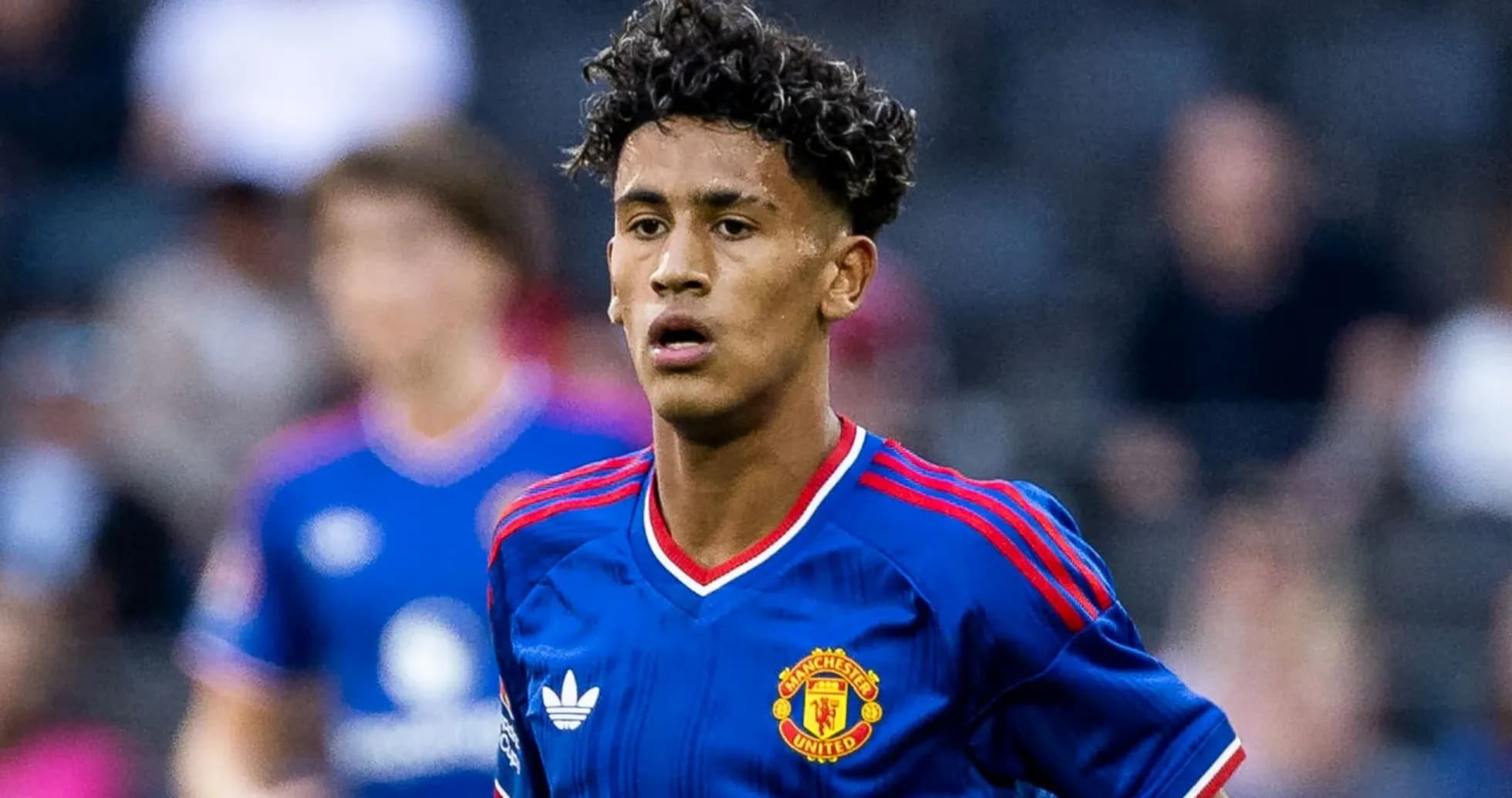
Mahmoud Bentaieb's Nationality Switch: Can He Represent Egypt?
Mahmoud Bentaieb, the Zamalek defender capped by Morocco, is seriously weighing up a switch of allegiance to represent Egypt. The question now gripping both countries is simple: can he actually do it?
The story has rumbled for days. Egyptian outlets pushed the line that Bentaieb wants to play for the Pharaohs instead of the Atlas Lions. Moroccan reports quickly batted that away. Then his agent stepped in and lit the fuse again.
Youssef Massaad, speaking to Moroccan newspaper “Al-Omk”, confirmed that the idea is very much on the table. He revealed that Morocco coach Mohamed Ouahbi had surprised him by leaving Bentaieb out of the latest national-team squad, a decision that clearly stung the player’s camp.
That omission opened a door. According to Massaad, some Egyptian officials floated the prospect of Bentaieb switching to Egypt, and the defender is now studying the proposal. His first choice, the agent stressed, had always been to represent his homeland, Morocco. But international football careers are short. Opportunities don’t wait.
Reports suggest Bentaieb has already moved beyond idle thinking. He has contacted FIFA to ask formally about the possibility of changing his sporting nationality and is waiting for an official response.
The legal maze behind a flag switch
On paper, changing national teams sounds straightforward. In reality, FIFA’s rules make it anything but.
Lebanese legal expert Ralph Charbel, speaking to Kooora, laid out the framework. For a player to represent a national team other than that of his original country, and having never featured for that association at youth level, he must first obtain the nationality of the new country. Then he must satisfy at least one key condition:
- He was born in that country, or
- His father or mother was born there, or
- His grandfather or grandmother was born there, or
- He has lived there continuously for a minimum period: at least three years if he settled before turning ten, or at least five years if he arrived after that age.
This is where Bentaieb runs into trouble.
He was born in Casablanca to Moroccan parents. No Egyptian roots through father, mother, or grandparents. His link to Egypt is personal, not ancestral: he is married to an Egyptian woman, the daughter of Zamalek board member Ahmed Suleiman.
As for residency, the numbers are not yet on his side. The 26-year-old moved to Zamalek from Saint-Étienne in the summer of 2024 and has been living in Egypt for roughly two years. That falls short of the five-year threshold required for someone who moved after the age of ten.
Even if he secures Egyptian nationality, the residency clock is still ticking.
Arab Cup appearances tighten the noose
The complications don’t end with birthplace and residency. They get sharper when you look at his match history with Morocco.
Charbel explained that, beyond the basic eligibility criteria, there is another crucial layer. For a player to switch, he must not have played more than three matches for his current senior national team, and at least three years must have passed since his last appearance.
Bentaieb never wore Morocco’s colours at youth or junior level. That would usually help a player in his position. But he did step onto the pitch for the senior side at the 2025 Arab Cup in Qatar.
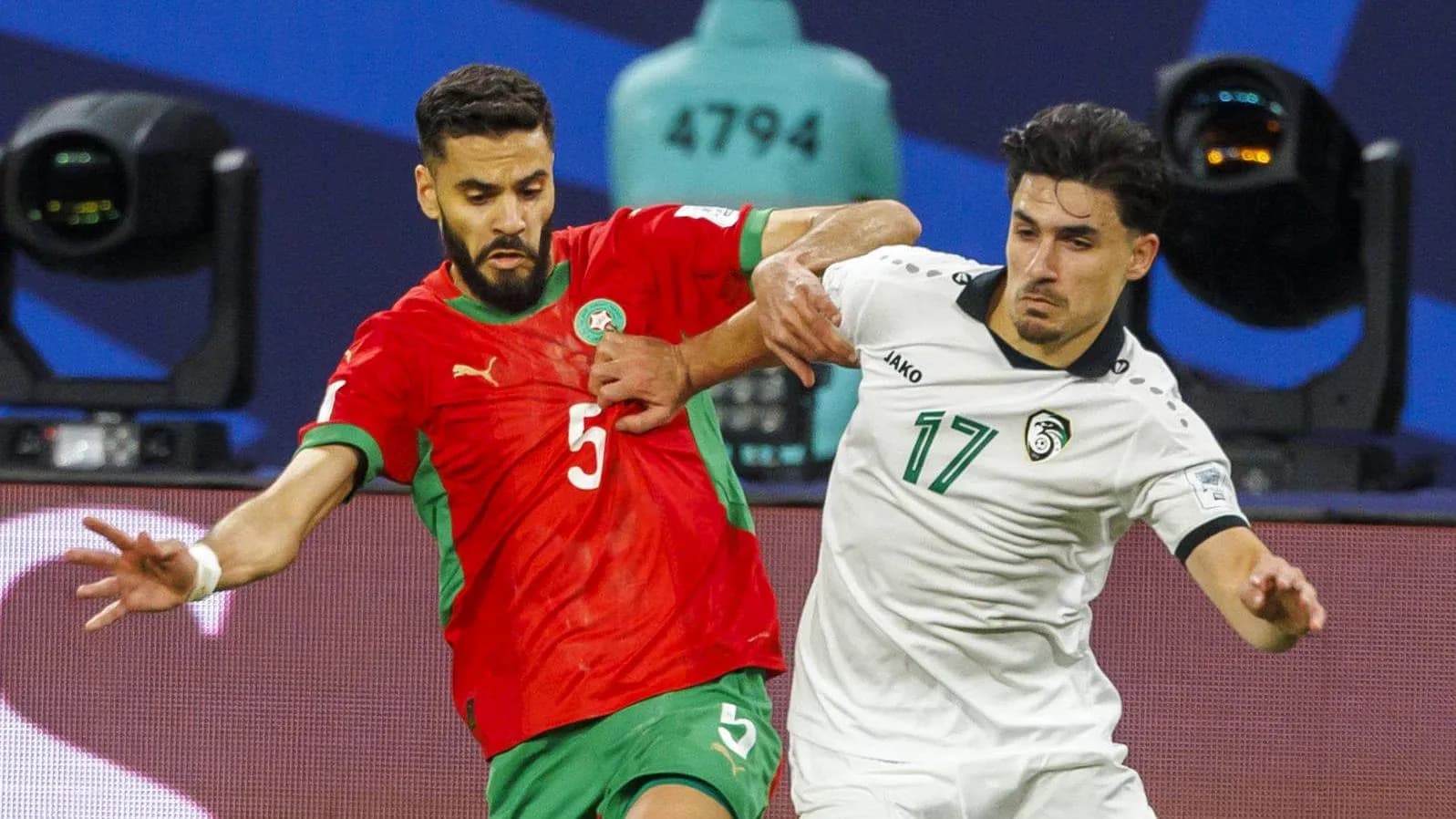
There, he played four international matches for Morocco, all as a substitute, against Saudi Arabia, Syria, the UAE and Jordan. Morocco won every one of those games. He had also been an unused substitute in the first two matches of the tournament, against Comoros and Oman, both of which ended in draws.
Those four caps matter. They push him beyond the three-match ceiling that FIFA uses as a threshold in its switch regulations.
Bentaieb was part of a winning campaign, too. Under coach Tarik Sektioui — now in charge of the Oman national team — Morocco lifted the Arab Cup trophy, with the defender contributing off the bench.
Crucially, Charbel noted that FIFA has recognised the Arab Cup as an official competition under its umbrella since 2021. That status gives full official weight to every minute Bentaieb played in that tournament, even though Morocco fielded a second-string squad without their European-based stars.
Put simply: these were not friendly games. They count.
A narrow path, if any
When you stack the facts, the picture darkens for anyone in Cairo hoping to see Bentaieb in an Egypt shirt soon.
He was born in Morocco to Moroccan parents. He lacks Egyptian lineage through parents or grandparents. His residency in Egypt is currently around two years, well short of the five-year mark needed for players arriving after age ten. On top of that, he has already played four official senior matches for Morocco in a FIFA-recognised competition, exceeding the three-game limit that normally allows a switch.
On that basis, Charbel believes it will be difficult for Bentaieb to change his sporting nationality at this stage. The legal road looks steep, with several obstacles rather than one narrow hurdle.
Yet the door is not slammed shut.
Charbel stressed that he cannot say with absolute certainty that FIFA will reject the request. The final verdict will depend on the precise legal arguments Bentaieb and his representatives submit, and on how FIFA’s committees interpret the regulations in his specific case.
For now, the defender waits. Morocco have already capped him, Egypt are circling, and FIFA holds the answer that could redefine the next decade of his international career.