Manchester City's £116m Deal for Elliot Anderson Resets Transfer Market
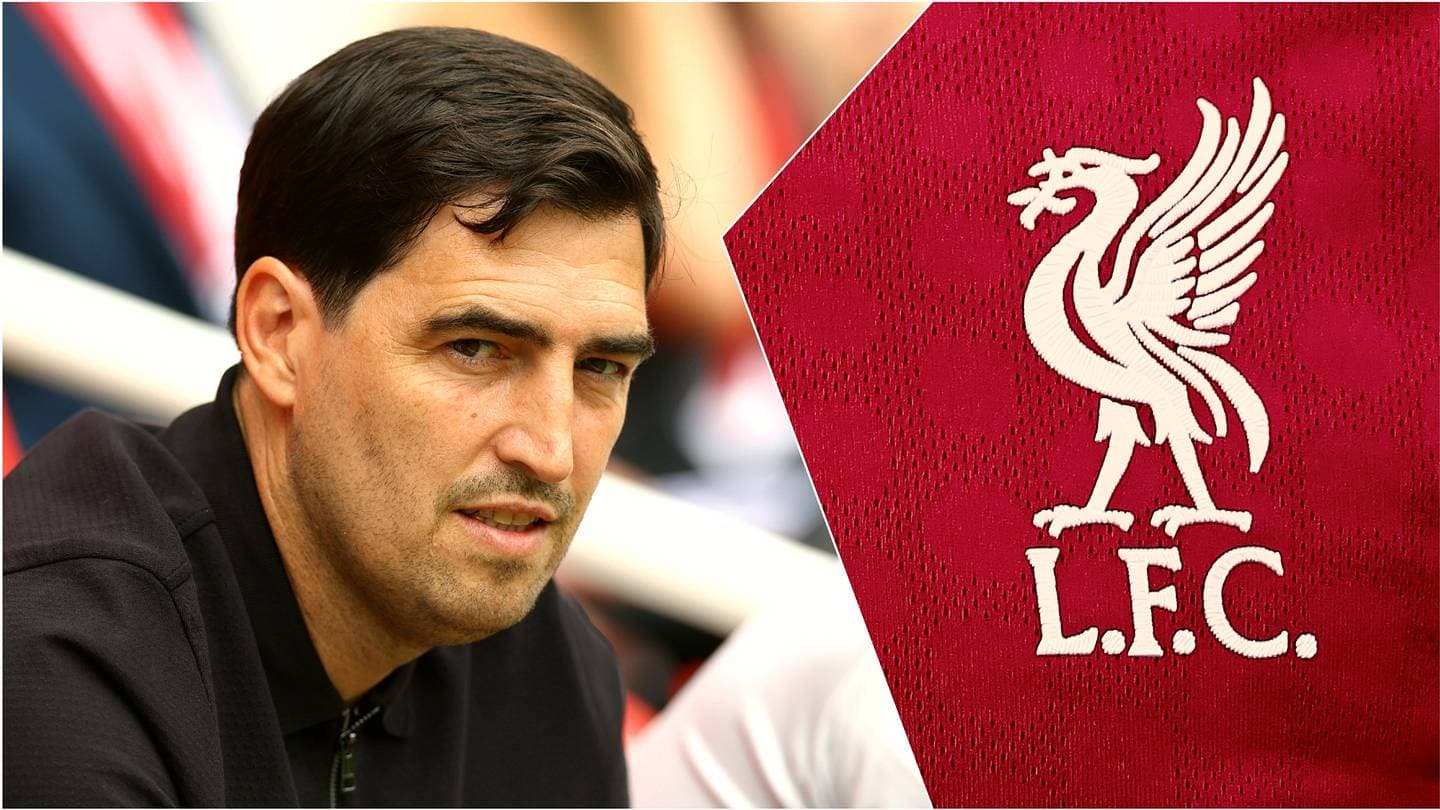
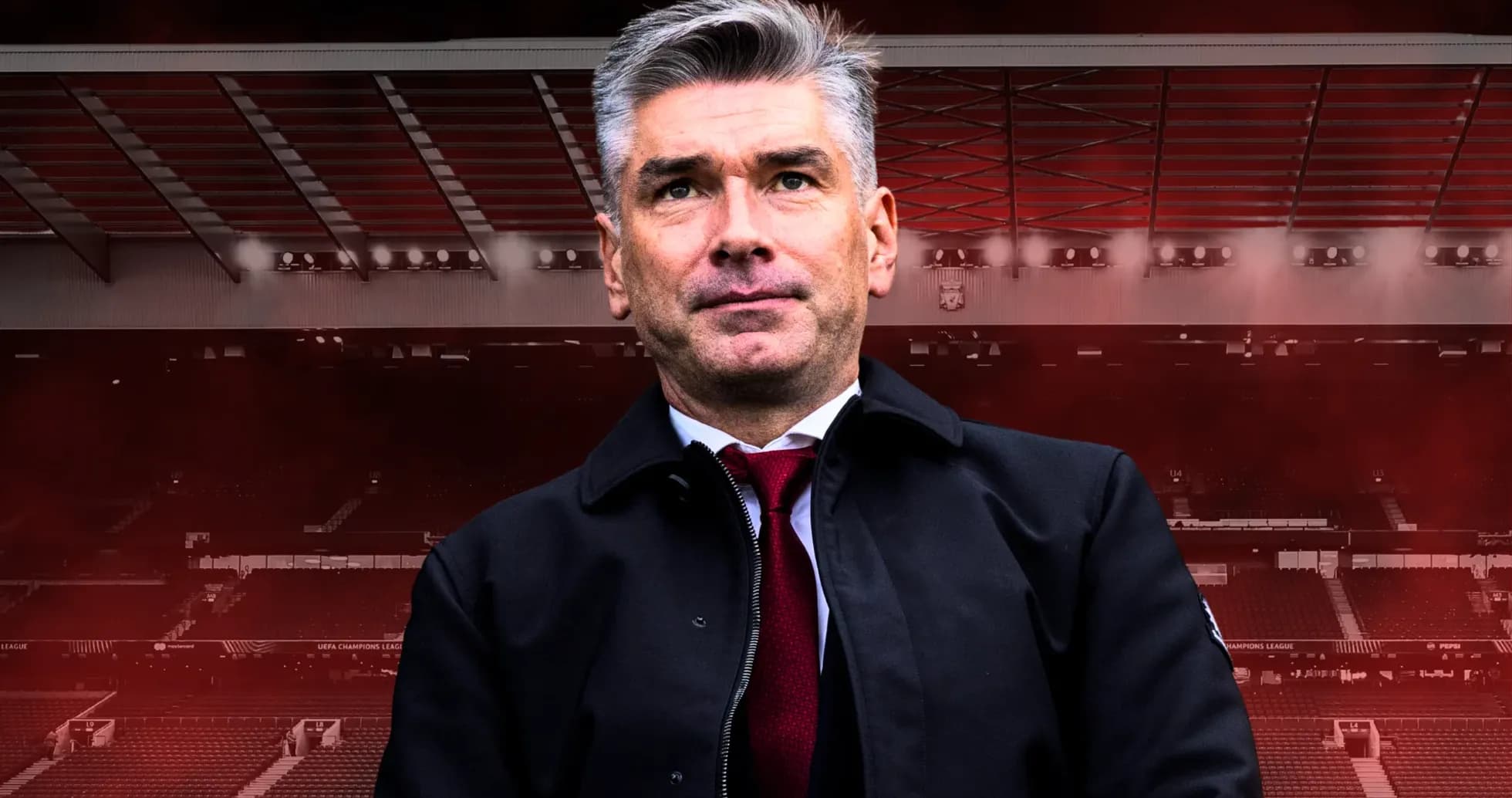
Manchester City’s £116m plunge for Elliot Anderson has not just reset the transfer market. It has thrown a harsh, unforgiving spotlight on Liverpool and Richard Hughes.
On Thursday evening, City agreed a £116m deal with Nottingham Forest for Anderson, according to the BBC. It is a staggering figure on every level: a club-record fee for City, the highest fee ever paid for a midfielder, and a new benchmark for a British footballer.
Anderson is 23. Dynamic, technically sharp, already operating at a level that justifies elite interest. You can see why a superclub would go all in on his ceiling. If he continues on this trajectory, he will sit comfortably among the best midfielders in the world.
That is one side of the story. The other is unfolding at Anfield.
While City break the bank to secure a top-level English midfielder, Liverpool edge towards selling one of their own. Curtis Jones, a homegrown Scouser, 25 years old, with just a year left on his contract, is moving closer to the exit.
Given his contract situation and age, no one expects Jones to command Anderson-level money. That would be unrealistic. But the number being floated around him is not just modest. It is alarming.
£35m.
For a player who, on talent alone, belongs in a far higher bracket. Strip away the contract noise and you are still looking at a midfielder who should be valued in the elite band of English talent, the kind of player who, in this market, comfortably sits around the €90m conversation.
The Anderson deal underlines that reality in bold, unforgiving ink. Clubs are willing to pay extraordinary money for top English midfielders. They pay for potential, for homegrown status, for tactical versatility, for years of service ahead. Anderson ticks those boxes. So does Jones.
That is why Liverpool’s stance jars so much. To allow a player of Jones’ profile to drift into the final year of his deal, then effectively entertain a £35m departure, is not just questionable strategy. It is a serious misread of the market.
The pressure finally tells when you line the two situations up side by side. City are paying a premium to secure a cornerstone of their future midfield. Liverpool, by contrast, are preparing to cash out on a similar profile for a fraction of that price, all because contract management has slipped.
The logic from Liverpool’s side might be simple: one year left, no agreement in sight, take the money now. But this is not a squad player being quietly moved on. This is a homegrown asset, developed over years, with clear resale value and on-pitch influence, being treated like a mid-table makeweight.
The question, then, is what Richard Hughes is doing.
This is his first major test in a new power structure at Anfield, and the optics are brutal. A club that once squeezed every last drop of value from its assets now looks ready to wave away a midfielder easily worth far more than the current asking price.
Jones should, in an ideal world for Liverpool, be signing a new contract. He should be part of the next iteration of this team, not a cut-price opportunity for a rival. Instead, the indications are that Liverpool have already squandered their best chance to tie him down.
The result? They stand on the brink of losing an asset who, in today’s market, can be argued as a €90m-level midfielder, for a fee that barely scratches the surface of his true worth.
This is not just a misstep. It is the kind of mismanagement that sends alarm bells ringing through a club. When your rivals are paying record sums to secure English midfielders, and you are preparing to sell one of your own for £35m, the gap is not only financial. It is strategic.
Liverpool still have time to change course. A late contract push, a recalibration of their valuation, a harder line in negotiations – any of those could shift the landscape. But as it stands, while City celebrate a record-breaking coup, Liverpool look like they are sleepwalking into one of the most lopsided deals of the summer.