Manchester City's Golden Era Faces Uncertainty After Arsenal Defeat
The Etihad has seen enough big nights to know the difference between a blip and a warning. This didn’t feel like a blip.
A 3-0 defeat to Arsenal in the Community Shield is not, on its own, a crisis. But under the grey Manchester sky, with the scoreboard unflinching and the stands unusually subdued, it felt like something deeper: the first clear crack in a project that has defined English football for more than a decade.
The pillars start to fall
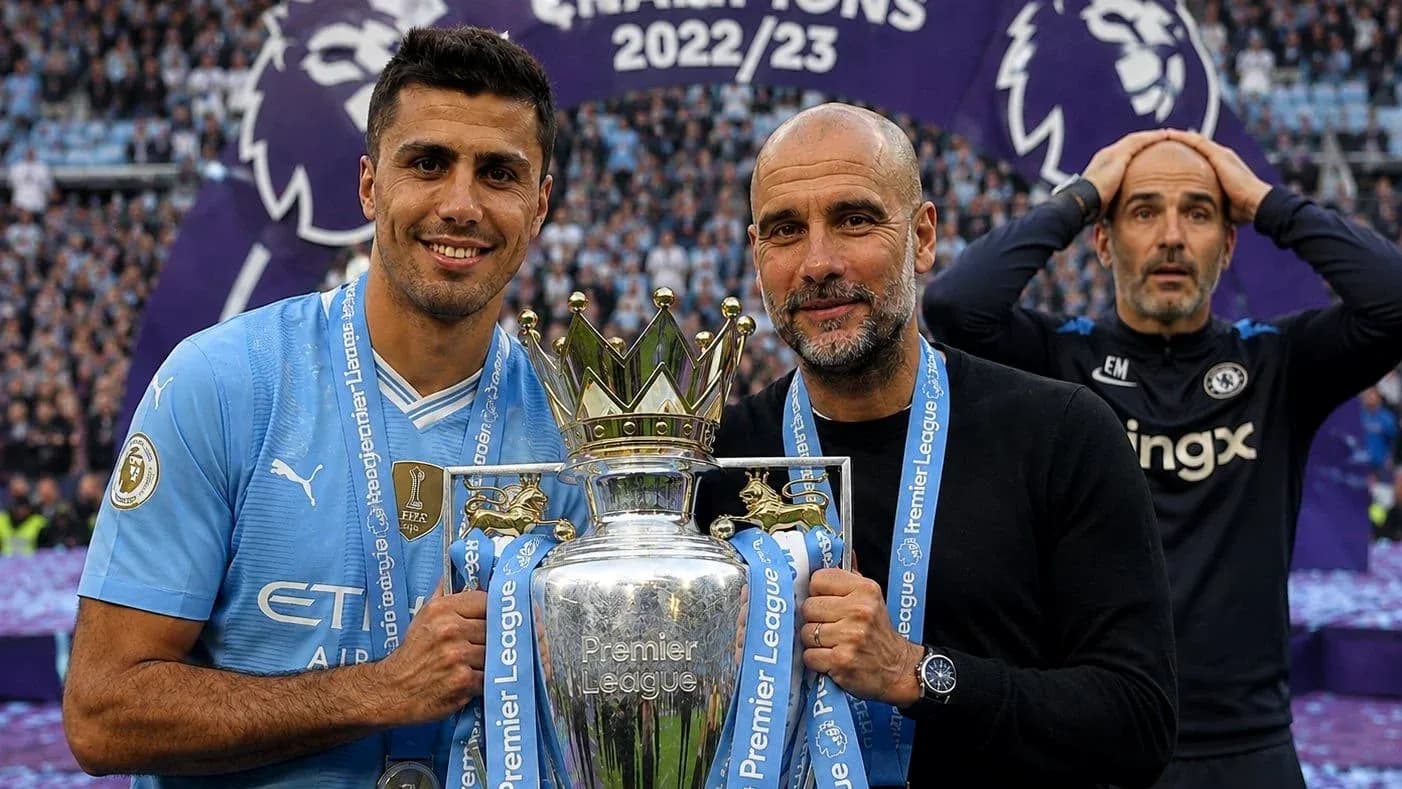
Manchester City’s golden era was never just about the goals or the trophies. It was about a structure, three pillars holding up a superclub that seemed almost untouchable: Txiki Begiristain, Pep Guardiola and Rodri.
One has already gone. One has already been replaced. One is on the brink.
Begiristain, the architect behind the scenes, quietly chose to step away more than a year ago. No fanfare, no drama. Just a decision that, in hindsight, may prove seismic. He stayed long enough to guide the handover to his successor, Hugo Viana, easing him into the role and offering counsel through those early months.
Time has exposed the difference.
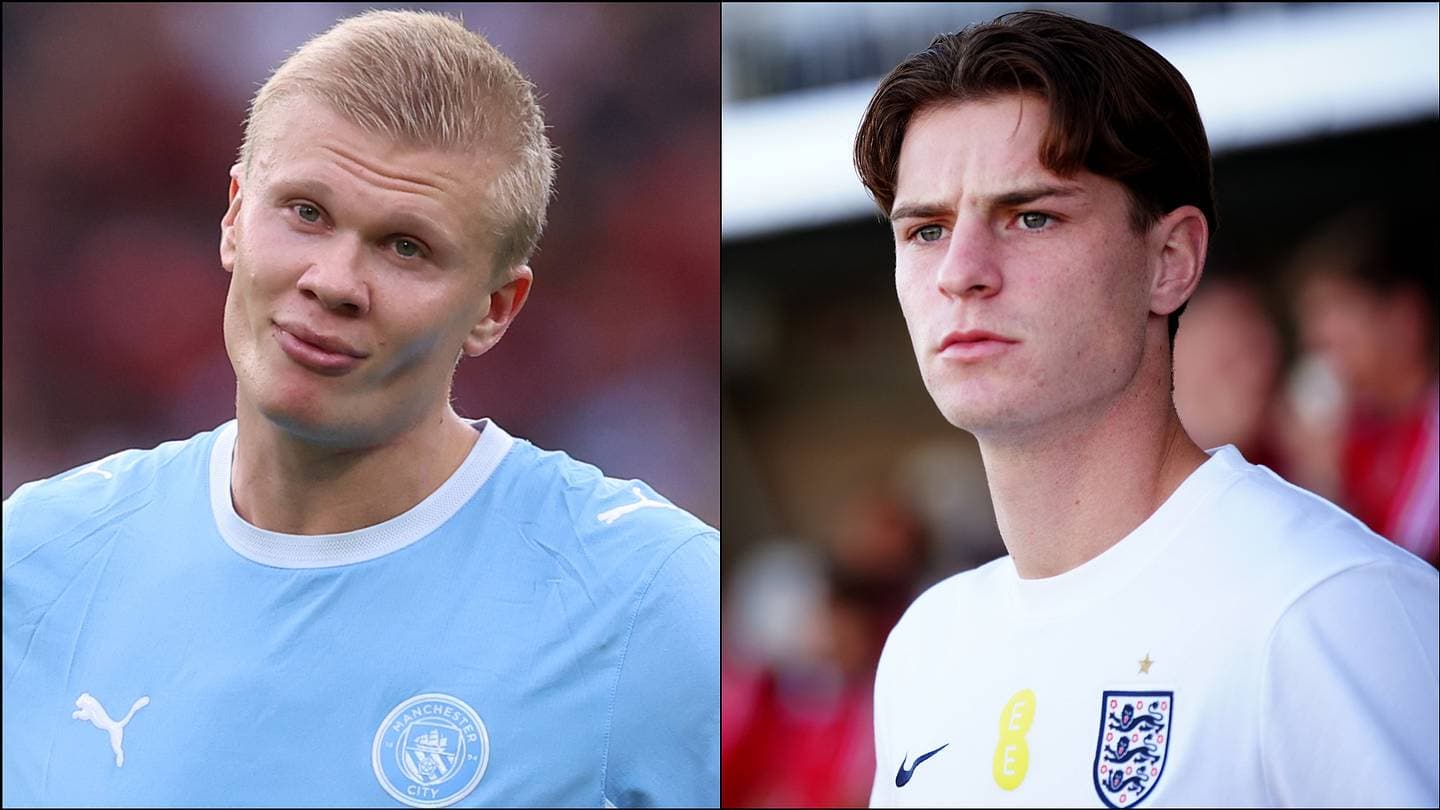
Begiristain built squads with ruthless clarity. He brought in Erling Haaland for around £60 million and Rodri for roughly £70 million, huge sums but balanced by smart exits and a coherent plan. City spent big, yes, but they spent with purpose and control.
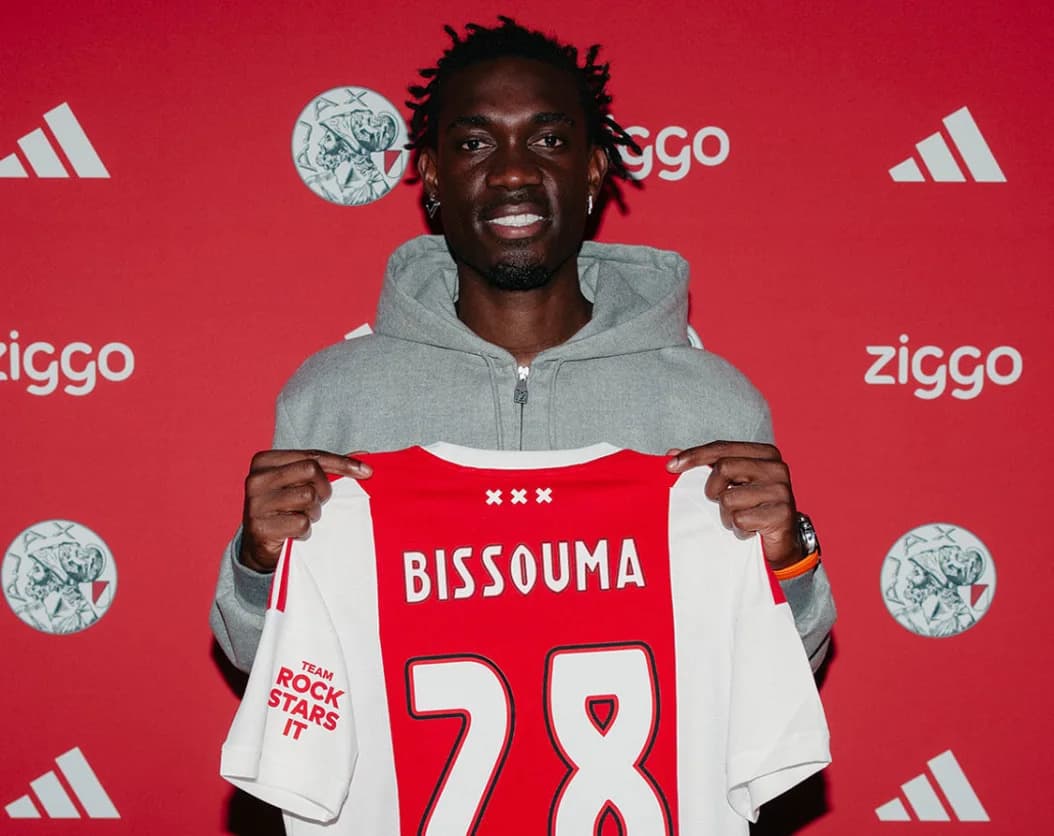
Viana has already raced past £130 million on just two signings this summer. The money is there, as always, but the pattern has shifted. The strategy looks less precise, more reactive. That is not a trivial administrative detail. It is the first sign that the long-term vision that turned City into a modern powerhouse is starting to bend – just as Manchester United’s did in the years after Sir Alex Ferguson walked away.
Life after Pep begins
If Begiristain’s exit shook the foundations, Guardiola’s departure blows a hole through the middle of the building.
Pep was not just a manager at City. He was the system. His tactical mind, his relentless standards, his ability to keep winning from a position of dominance – all of it came wrapped in something even rarer: absolute authority.
He was untouchable. Win or lose, his status never wavered. No one coming after him, including Enzo Maresca, will be granted that kind of power.
And that matters. A manager who knows he is secure, who understands that the club is built in his image, coaches and leads in a different way. The players respond differently. The opponents fear differently. Guardiola’s presence shaped results before a ball was even kicked.
Now, that certainty has gone. So has the style that defined an era.
Maresca is no novice. He arrives with titles from Leicester City and Chelsea, and a reputation as a bright, modern coach. But his first serious test ended with Arsenal running through his new team and walking away with a statement win. City, by contrast, trudged away with a heavy defeat and a cold realisation: the new era will not be gentle.
The shield of Pep’s aura has vanished. Maresca must operate without it, under the same weight of expectation, with none of the protection.
Rodri and the looming void
If there is one player who symbolised City’s control in the Guardiola years, it was Rodri. His looming departure might be the most damaging blow of all.
Few midfielders in world football can drag a team up a level on their own. Rodri did. With him, City played with balance, authority and calm. Without him, they looked oddly fragile, their midfield suddenly exposed.
We have already seen the warning signs. When Rodri was missing in previous spells, the drop-off was stark. The structure sagged. The distances between lines grew. The control that had become City’s trademark evaporated.
Now his farewell is approaching, and the club knows this is not the kind of loss you fix in one window. Replacing his influence – his positioning, his leadership, his reliability – in the short term feels like a near-impossible task.
Football history is full of teams who lost their pivotal figure and never truly recovered their former level. City have no guarantee they will be the exception.
A familiar shadow from across town
The parallels with Old Trafford are impossible to ignore.
When Ferguson left Manchester United in 2013, the club did not just lose a manager. It lost its identity, its long-term plan, its internal compass. One coaching experiment followed another. Money poured out in transfer windows. The trophies did not follow.
United’s decade of turbulence stands as a stark warning for any club that allows its core pillars to disappear in quick succession.
City are not United. They still have stable ownership, enormous financial muscle and Ferran Soriano in place to oversee the operational and financial side of the project. On paper, the structure remains strong.
But paper does not win titles. The reality is that City have lost the three minds who shaped their rise: Begiristain, Guardiola and, soon, Rodri. That is not a simple rotation of staff. It is a reset.
The Community Shield defeat does not decide a season. It does, however, shine a harsh light on what City have lost: the balance, the solidity, the inevitability that once defined them.
A crossroads at the Etihad
Maresca now walks into one of the most unforgiving jobs in football. He must build a new identity for a team that had grown used to perfection, and he must do it while the demand for instant success remains unchanged.
If early-season results follow the pattern of that Arsenal game, the pressure will escalate quickly. Panic can creep in. Big decisions can become rushed ones. A club that once moved with cold, calculated precision could find itself stumbling into an almost total rebuild – exactly the trap United fell into after Ferguson.
The difference is that City have seen this film play out before. They know how easily a dynasty can unravel when the key figures leave and the replacements are asked to deliver yesterday’s standards with today’s uncertainty.
The first warning sign flashed at Wembley. The fear of repetition is now real, not theoretical.
City’s success was built on the alignment of Txiki, Pep and Rodri. That combination will never be replicated in quite the same way. The question now is brutally simple and impossibly complex at the same time:
Are Manchester City about to prove they can survive the end of their golden age on their own terms, or are they about to follow their greatest rivals into a long, dim tunnel of rebuilding with no guarantee of what waits at the other end?